

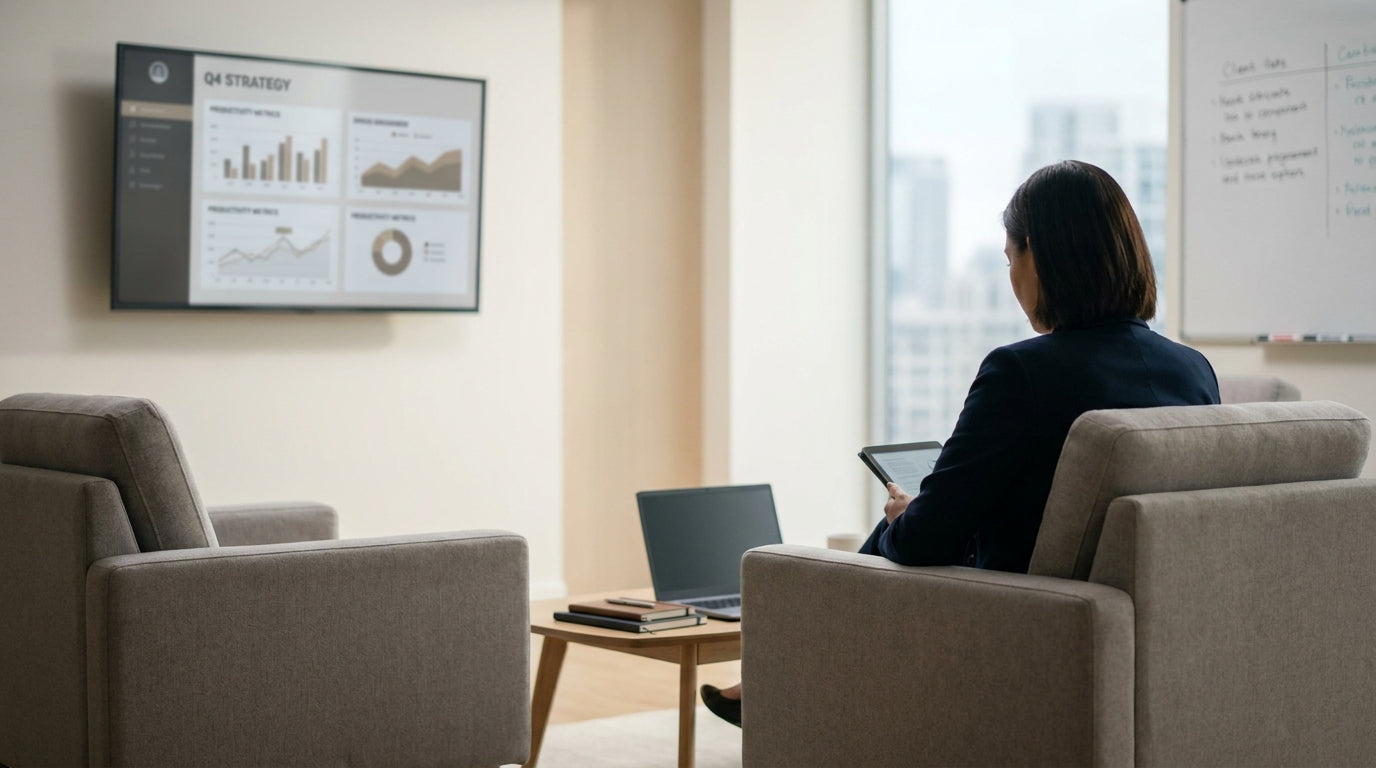
Why Client Meeting Rooms Deserve Thoughtful Seating
First impressions in a client meeting room are shaped as much by the seating as by your presentation. The right armchair signals professionalism, comfort and attention to detail.
When a client sits down, they immediately notice whether the chair feels supportive, cramped or inviting. Comfortable, well-designed seating helps people relax, focus and stay engaged in longer strategy sessions. It also shows that you respect their time and wellbeing, which can subtly influence how they perceive your business.
In modern workplaces, meeting areas often double as collaboration spaces, interview rooms and quiet zones. That means armchairs need to balance style with durability and ergonomic support. Pairing them with complementary pieces like quality meeting chairs or flexible breakout seating gives you more options to configure the room for different types of conversations.
Well-chosen armchairs also tie your branding together. Whether you prefer a relaxed lounge feel or a more corporate aesthetic, coordinating seating with finishes, colours and coffee tables can turn a plain meeting room into a polished client-ready space.
Key Features to Look For in Meeting Room Armchairs
Not all armchairs are suited to a business setting. Focus on features that support comfort, posture and regular use.
Seat height is crucial. If the chair is too low, clients feel like they’re sinking; too high and their feet may not rest flat on the floor. Look for armchairs that align roughly with the height of your boardroom or meeting table so clients can maintain eye contact without hunching. Firm but cushioned seats help people sit upright without feeling rigid or fatigued.
Supportive armrests make it easier for guests to sit down and stand up gracefully, especially during back-to-back meetings. Wide, padded arms can also double as spots to rest notebooks or tablets. For high-use spaces, consider commercial-grade fabrics or finishes similar to what you’d see on robust visitor chairs or reception seating, which are designed to handle constant traffic.
Finally, think about the footprint of each chair. Generous single-seat options such as single lounges can feel luxurious but may limit capacity in smaller rooms. More compact pieces, like modern tub chairs, offer a snug feel without overwhelming tight corners, allowing you to keep circulation space clear and compliant.
Balancing Comfort, Style and Brand Identity
Your choice of seating says a lot about your brand. Aim for a balance between comfort and a look that matches your business personality.
For professional services firms, timeless designs in neutral tones often work best. Sleek silhouettes and quality upholstery echo the type of refined look you’d find in premium leather chairs or executive lounges. This creates a cohesive experience from reception right through to the meeting room, reinforcing a sense of trust and stability.
Creative agencies, tech start-ups and education providers might choose bolder colours, mixed textures and playful shapes. You can pair relaxed armchairs with versatile breakout seating to blur the line between informal collaboration zones and formal consultation areas. This encourages open conversation and makes sessions feel less intimidating for new clients or stakeholders.
Think about how each meeting space connects to adjacent areas. If your clients are greeted on reception seating before moving into a private room, consider continuing similar fabrics, frames or colours. Even simple details, like matching the finish of your armchairs to the legs of your coffee tables, help the environment feel deliberate and thoughtfully designed.
Choosing the Right Type of Chair for Each Meeting Style
Different meeting styles benefit from different seating solutions. Map your chair choices to how you actually use each room.
For short, focused catch-ups or quick stand-up style discussions, you may rely more on agile meeting chairs around a central table, with a couple of lounge seats on the side for informal chats. For longer workshops and strategy sessions, more supportive armchairs or single lounges can help reduce fatigue, especially when paired with side tables or central coffee tables for laptops and refreshments.
Client waiting or pre-meeting zones benefit from comfortable seating that’s easy to get in and out of. Compact visitor chairs mixed with inviting tub chairs allow you to accommodate different body types and preferences without cluttering the space. These pieces are also simple to rearrange if you need extra capacity at short notice.
In hybrid or multi-purpose rooms that host presentations, training and consultations, it can help to combine several styles. Use more formal meeting chairs near the main table and softer armchairs in a breakout corner for small-group discussions. This variety signals to clients where to sit for different parts of the session and supports a more flexible, user-friendly layout.
Practical Tips for Selecting and Maintaining Meeting Room Seating
Planning ahead saves money and frustration. Consider layout, durability and maintenance before you order.
Start by measuring your room and sketching possible configurations. Allow clear walkways between pieces and keep in mind door swings and presentation screens. Tools used for planning reception seating layouts can be applied here too: think in zones, such as a main discussion area, a lounge corner and a waiting spot.
When it comes to materials, commercial-grade fabrics and finishes are worth the investment in high-traffic spaces. Many businesses choose a mix of robust upholstered armchairs and easy-wipe leather chairs to balance comfort with simple cleaning. Matching the build quality of your armchairs to that of your visitor chairs helps ensure everything wears at the same rate and looks consistent over time.
Finally, think about future flexibility. Opt for ranges that offer multiple pieces, such as coordinated armchairs, single lounges and coffee tables, so you can add or reconfigure seating as your business grows. With a clear plan and a focus on user comfort, your client meeting rooms can become some of the most productive and welcoming spaces in your workplace.


