

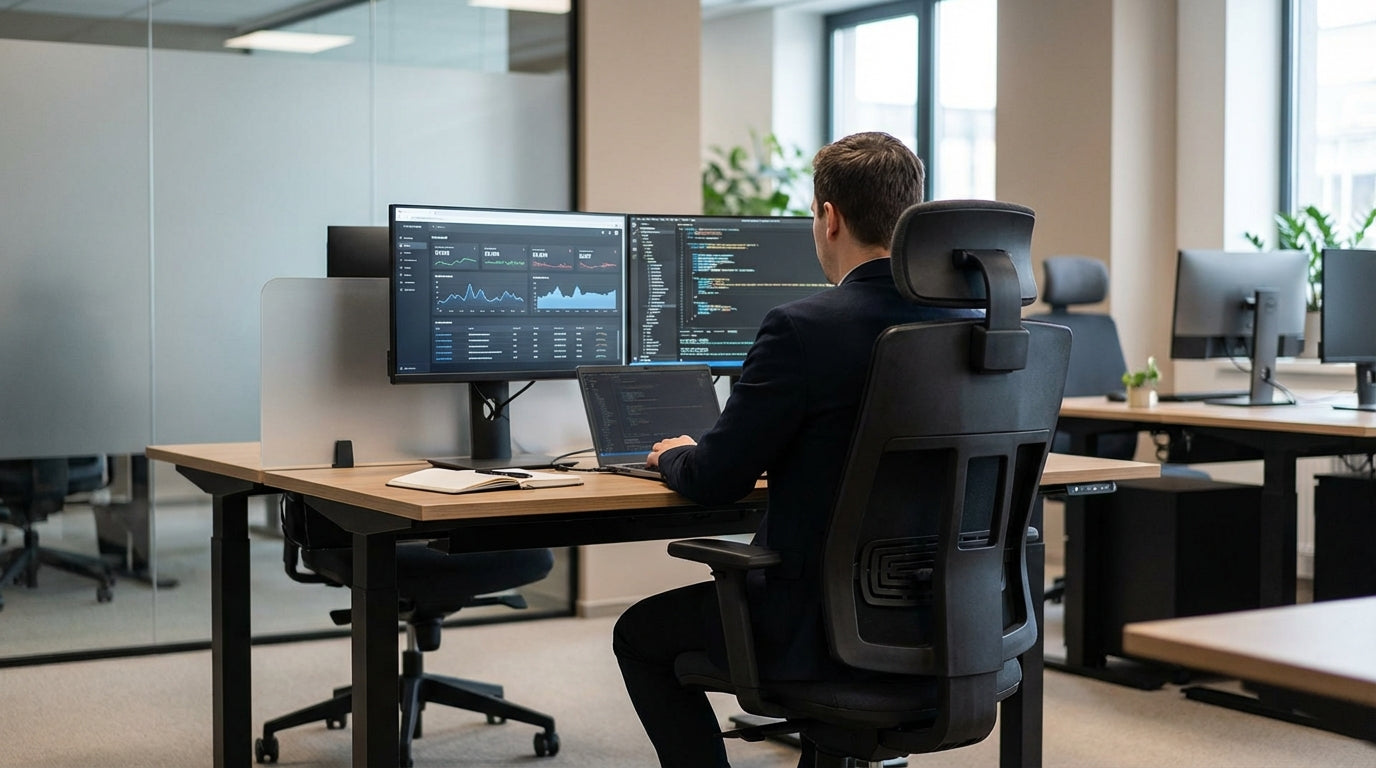
Why 24/7 call centres need specialised heavy duty seating
Round-the-clock call centres put enormous pressure on office furniture. Standard office chairs simply aren’t built for non-stop use.
In a 24/7 operation, multiple staff rotate through the same workstation, often with minimal breaks between shifts. Over time, this continuous load can cause cheaper seating to sag, break, or lose support, leading to discomfort and higher replacement costs. Heavy duty options, on the other hand, are engineered for intensive use and higher weight ratings, making them a smarter long-term investment for busy contact centres.
Durability isn’t just about the frame. High-quality foam, robust mechanisms, and hard-wearing upholstery are critical when you’re dealing with constant movement and long shifts. Investing in purpose-built Heavy Duty Chairs helps maintain consistent support for every operator, every hour of the day. The result is fewer breakdowns, less downtime, and more predictable budgeting for facilities and fit-out managers.
Comfort also plays a direct role in call quality and staff satisfaction. When operators are seated in supportive chairs that don’t wobble, squeak, or pinch, they’re better able to focus on customers instead of aches and pains. Well-chosen seating becomes part of a broader strategy to improve productivity, reduce absenteeism, and manage fatigue across the contact centre floor.
Key ergonomic features to look for in intensive-use chairs
Ergonomics is about fitting the chair to the person, not the other way around. For contact centres, adjustability is non-negotiable.
Because seats are shared across multiple shifts, each operator needs to be able to adjust height, backrest tilt, and seat depth quickly. Look for models with synchronous or multi-lock tilt mechanisms, lumbar support that can be fine-tuned, and easily accessible levers. Well-designed Task Chairs often incorporate these features, but for continuous use you’ll want versions rated for higher loads and extended hours.
Breathability is also key, particularly in larger, high-density offices. Chairs with mesh backs allow airflow, helping to regulate body temperature and reduce sweat build-up during long calls. Purpose-designed Mesh Office Chairs can combine this ventilation with firm lumbar support and heavy duty components, making them a strong candidate for busy contact centre environments.
Not every operator has the same body type or posture, so options like adjustable armrests, contoured seat pans, and waterfall seat fronts become important. These details help reduce pressure on the thighs and shoulders, which can otherwise lead to numbness or strain. When comparing options, prioritise models tested to higher weight ratings and certified for extended daily use, and consider locally manufactured options from the Australian Made Chairs range for quality control and easier support.
Choosing the right materials: mesh, fabric, or leather?
Upholstery choice affects comfort, maintenance, and overall lifespan. Different materials suit different contact centre setups.
Mesh is often the go-to in high-intensity offices because it’s breathable, supportive, and typically low maintenance. High-tension mesh used on dedicated Mesh Office Chairs provides a snug fit to the back, promoting better posture while reducing heat build-up. This is especially useful in open-plan spaces with lots of equipment generating warmth, where operators may be seated for long stretches without moving far from their workstation.
Fabric upholstery offers a softer, more traditional feel and can be a good option if you want additional cushioning. When specifying fabric for 24/7 use, choose commercial-grade textiles with high abrasion ratings and stain resistance. Pairing robust fabric with a solid frame from the Heavy Duty Chairs collection helps ensure the seat retains its shape and colour despite heavy traffic and frequent cleaning.
For premium or supervisor areas, high-quality Leather Chairs can deliver a more executive look while still offering support. Genuine leather tends to be hard-wearing and relatively simple to wipe down, making it suitable for team leaders or quality-assurance roles who also spend long hours on the phone. Mixing materials across your floor plan lets you match each chair type to its usage level, from front-line hot desks to management workstations and dedicated Single Person Workstations.
Designing call centre layouts around durable seating
Good chairs work best when matched with the right workstation layout. The furniture plan should support how your teams actually operate.
Open-plan call centres often rely on pod or cluster layouts so supervisors can easily monitor activity and assist agents. In these spaces, pairing ergonomic seating with Partition Workstations helps balance focus with collaboration by managing noise and visual distractions. Ensure there is enough room between desks for chairs to move freely, reducing wear on mechanisms and preventing accidental damage to armrests or bases.
Where roles require confidentiality or more complex calls, dedicated Single Person Workstations can give staff greater privacy and control over their setup. In these zones, operators may be seated for particularly long, intensive sessions, so pairing them with high-spec Task Chairs or locally made options from the Australian Made Chairs range is important. The combination of personal space and robust ergonomics supports concentration and reduces fatigue.
Don’t overlook shared and support areas. Training rooms, for example, benefit from comfortable Meeting Chairs that can withstand frequent use but don’t necessarily need the full adjustability of an intensive-use operator chair. Reception and waiting zones may only see shorter stays but high traffic, making sturdy Visitor Chairs a sensible choice. By aligning each chair type with its function, you protect your investment and create a more cohesive workplace.
Maximising lifespan and comfort through maintenance and policy
Even the best chairs need care and clear user guidelines. A little planning goes a long way in 24/7 settings.
Establish simple protocols for operators to adjust their chair at the start of each shift. Basic training on seat height, lumbar position, and tilt settings can be covered during induction and refreshed periodically. Providing visual guides at each workstation and choosing intuitive models from ranges like Task Chairs or Heavy Duty Chairs helps staff quickly achieve a neutral, supportive posture.
Routine maintenance prevents small issues becoming costly failures. Schedule checks for castors, gas lifts, and mechanisms, particularly in areas with constant movement. Cleaning upholstery according to manufacturer recommendations preserves appearance and hygiene, whether you’re using mesh, fabric, or premium options from the Leather Chairs collection. For larger sites, keeping a small pool of spare chairs allows quick swaps when one needs repair, minimising disruption.
Finally, think about the full furniture ecosystem rather than chairs in isolation. Complement durable seating with well-designed Partition Workstations for busy floors, ergonomic desks in Single Person Workstations, and appropriate Meeting Chairs and Visitor Chairs for ancillary spaces. A considered approach supports staff wellbeing, protects your budget, and ensures your call centre can operate smoothly at all hours.


