

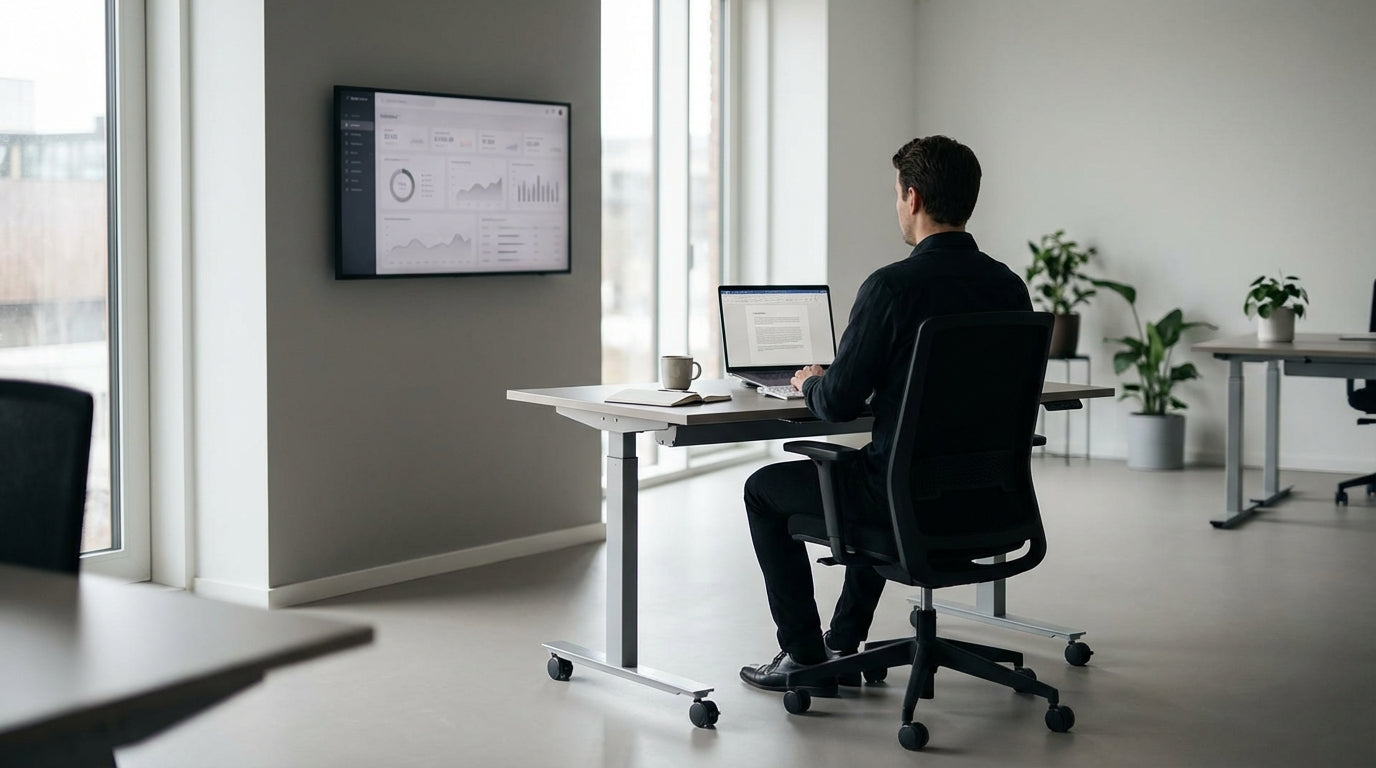
Why Mobile Work Tables Matter in Modern Workspaces
Flexible workspaces are now the norm in Australian offices, schools, and training centres. Furniture that adapts quickly is essential for getting the most out of every square metre.
Static desks and fixed meeting furniture make it hard to switch between focused work, collaboration, and training. In contrast, modern mobile tables with secure wheels allow you to reshape a room in minutes without heavy lifting or facilities support. This agility is especially valuable in multi‑purpose spaces that host workshops one day and team huddles the next.
These versatile pieces sit alongside other key categories such as office & meeting tables, boardroom tables, and meeting tables. However, the addition of castors and compact frames adds a level of mobility that fixed solutions can’t match. For growing teams or organisations with changing headcounts, this flexibility helps you avoid frequent refits or expensive furniture replacements.
In many workplaces, multipurpose surfaces now double as touchdown spaces, hot‑desks, or project benches. When tables roll smoothly and lock firmly in position, you can confidently reconfigure a room for different tasks throughout the day while maintaining a professional, tidy look for clients and visitors.
Key Features That Make Mobile Tables Practical
The right feature set determines whether a mobile unit is easy to live with day to day. Look beyond looks and focus on build, movement, and safety.
Quality castors are critical. Look for heavy‑duty wheels that glide easily yet include reliable locking mechanisms to keep the surface stable once positioned. Sturdy metal frames and durable tops, often found across ranges like training tables and drafting tables, ensure the table can handle regular movement, daily cleaning, and varied loads without wobbling or bending.
Functional extras can make a big difference to usability. Integrated cable ports and modesty panels keep technology tidy during presentations or hybrid meetings. When combined with smart designs such as flip top tables, you gain the option to tilt and nest surfaces to maximise storage space when not in use. For organisations that routinely change layouts, this nesting ability dramatically cuts set‑up and pack‑down time.
Finish options matter too. Commercial‑grade melamine tops resist stains and scratches, making them ideal for high‑traffic environments like classrooms and project rooms. Neutral colours blend easily with existing furniture such as folding tables or trestle tables, helping create a cohesive, professional feel even as you mix and match different table types.
Best Uses in Offices, Schools, and Training Rooms
Movable tables shine in environments where room layouts change frequently. They are particularly useful in offices, education, and community spaces.
In corporate settings, these tables work brilliantly alongside fixed boardroom tables and standard meeting tables. You can quickly extend a boardroom for workshops, add side tables for catering, or reconfigure a project space for sprint reviews. When not in use, slimline pieces can be wheeled to a wall or storage area, freeing up floor space for events or informal catch‑ups.
Schools, TAFEs, and training organisations often rely on reconfigurable layouts to move between lectures, group activities, and exams. Purpose‑built training tables on castors make it easy to switch from rows to pods or U‑shapes in minutes. For design and technical subjects, pairing these units with specialist drafting tables provides the right surface for drawing, model‑making, or laptop work while keeping the room adaptable.
Community centres, co‑working hubs, and pop‑up venues also benefit from flexible furniture. Mobile units can serve as registration desks, workshop benches, or temporary office & meeting tables, then roll away when the space is needed for yoga classes or social events. This multi‑role capability reduces the total amount of furniture required, which is ideal where storage space is limited.
Choosing the Right Style for Your Space
Selecting the right model starts with how you use your rooms. Consider size, shape, mechanism, and how the table will work with your existing furniture.
For compact offices or shared rooms, slim rectangular designs that can be nested are usually the most efficient. Many flip top tables are designed to store tightly together, allowing you to keep multiple units on hand for larger meetings or training sessions. If you regularly host workshops that require break‑out groups, several smaller tables are more flexible than one large surface, as they can be grouped or separated as needed.
Where quick set‑up and packing down are priorities, consider combining mobile units with lightweight folding tables or classic trestle tables. Folding and trestle designs are easy to transport and store, while wheeled units provide a more permanent, everyday solution for regular use. Matching colour palettes and frame finishes across these ranges helps maintain a consistent look even as you mix different table types.
Think about how the new pieces will sit alongside existing office & meeting tables, boardroom tables, and meeting tables. If your workplace leans towards a minimalist aesthetic, a simple white or oak finish with a slim black frame might suit. More creative environments may prefer bold colours or writable surfaces that encourage brainstorming, while education spaces often benefit from durable, easy‑clean tops that stand up to heavy daily use.
Practical Tips for Setup, Safety, and Maintenance
To get the most from mobile tables, pay attention to safe use and simple upkeep. A little planning at the start will save time later.
When planning room layouts, factor in clear walkways so staff and students can move safely even when every table is in use. Lock the wheels on all units once they are positioned, especially in training rooms or collaborative zones where people might lean or rest on the edges. In boardrooms and meeting spaces, use ganging clips or simple connectors if you need several mobile units to behave like one large surface, creating a stable alternative to fixed boardroom tables.
Maintenance is straightforward. Wipe tops daily with a mild detergent to remove coffee spills, ink, and fingerprints, just as you would with your existing office & meeting tables. Periodically check the castors and frame fixings, tightening loose screws and replacing any damaged wheels. Well‑built products from specialist ranges like mobile tables and training tables are designed for frequent moving, so basic care will keep them performing well for years.
If your rooms serve multiple functions, label storage locations on walls or floor plans. This simple step makes it easier for staff to return tables to the right spot after meetings, workshops, or events. Over time, you’ll find a rhythm that balances fixed pieces such as meeting tables, specialised units like drafting tables, and your mobile fleet, giving you a highly adaptable workspace without clutter or confusion.


