

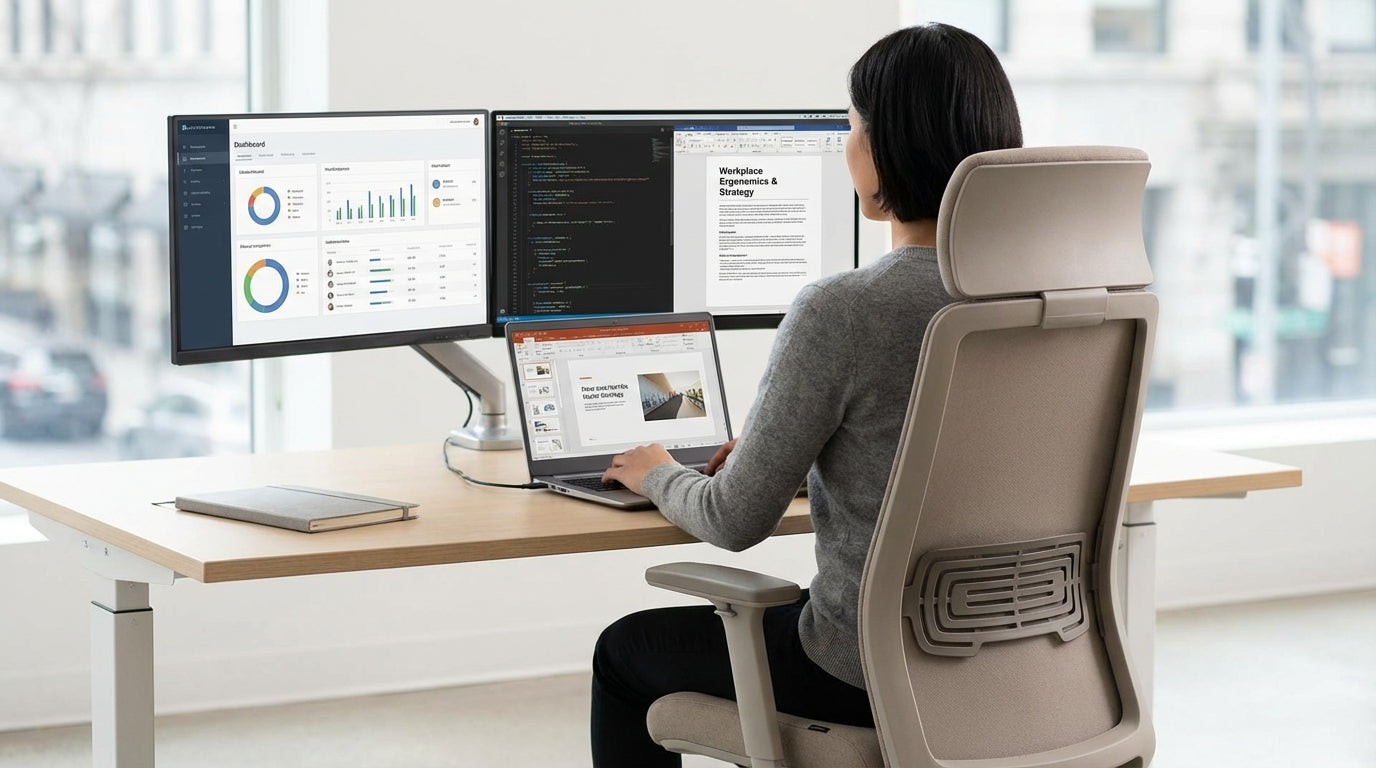
Understanding Arthritis and Sitting Pain
Living with arthritis can turn a normal day at the desk into a real challenge. Swollen, stiff joints make prolonged sitting and poor posture especially painful.
Arthritis is an umbrella term for more than 100 conditions that affect the joints, including osteoarthritis and rheumatoid arthritis. When you sit, pressure concentrates in your hips, lower back, knees and even your hands on the armrests. Without enough support, this strain builds up over hours and can trigger flare‑ups, fatigue and muscle tension. A suitable office chair helps share the load across your body, keeping joints in a safer, more natural position.
In simple terms, the right seating can reduce the effort your body makes just to sit upright. Features such as adjustable lumbar (lower back) support, cushioned armrests and a smooth reclining mechanism can minimise awkward angles that irritate sensitive joints. For many people with chronic joint pain, upgrading the chair can be as important as medication or physiotherapy in managing day‑to‑day comfort.
It’s also worth remembering that arthritis often affects multiple areas at once, so what works for one person may not suit another. Some people need a lighter setup that is easy to move; others require extra-strong frames and specialised cushioning. That’s why understanding your own pain points and limitations is the first step before comparing chair styles.
Key Ergonomic Features That Support Arthritic Joints
A supportive office chair is built around ergonomics, which simply means designing things to fit the human body. For people with arthritis, a few key adjustments can make a big difference.
Height adjustment lets you keep your feet flat on the floor and your knees at roughly a 90‑degree angle. This reduces pressure on knees and hips and makes getting up less painful. A gas‑lift lever is standard on most task chairs, so look for models with a smooth, easy-to-operate mechanism you can adjust without straining your hands or wrists.
Lumbar support is another essential feature. A contoured backrest that follows the natural curve of your spine helps prevent you from slumping, which can aggravate lower back and hip pain. Some designs offer adjustable lumbar pads you can raise or lower to hit the exact sore spot; others build the curve directly into the frame. If you run hot or sit for long periods, breathable designs such as quality mesh office chairs can help reduce discomfort caused by heat and perspiration.
Armrests should be stable, cushioned and adjustable in height at a minimum. Proper arm support takes weight off your shoulders, neck and small joints in the hands. For people who struggle to stand, consider chairs with a slightly forward-tilting seat and sturdy arms to push off from. Heavy users or those needing extra durability might benefit from specialised heavy duty chairs that are tested to higher weight ratings, offering a stronger base and thicker padding for long-term joint support.
Chair Types That Can Help Ease Arthritis Symptoms
Different chair styles suit different bodies and work habits. When you have arthritis, matching the chair type to your daily tasks is crucial.
For desk-based roles, ergonomic task chairs are often the best all-round option. They typically include adjustable seat height, tilt tension and backrest angle, which lets you fine-tune support around sore joints. Many people with arthritis prefer models with a synchro-tilt mechanism, where the back and seat move together, keeping hip and knee angles comfortable while reclining.
If you spend long hours seated or need extra stability, look at certified heavy duty chairs. These are designed for higher weight capacities and frequent use, with reinforced bases and stronger components. The thicker foam and wider seat pan can spread pressure more evenly, which is particularly helpful if arthritis affects your hips or lower spine. For those who regularly attend team sessions, switching out basic meeting seating for more supportive meeting chairs can also reduce stiffness after long conferences.
People with more advanced mobility challenges, or those who struggle to stand from low seating, may benefit from power lift chairs. These electrically operated armchairs gently raise you to a near-standing position, significantly reducing strain on knees, hips and ankles. If you want a more homely look in a study or reception space, consider supportive armchairs or high-quality leather chairs with proper lumbar contouring and firm, not squishy, cushions.
In shared areas, it’s wise to think beyond standard seating, especially if staff or visitors have joint issues. Well-padded visitor chairs with arms and a seat height similar to a dining chair can make it easier for people with arthritis to sit and stand safely. Wherever possible, mixing supportive styles across your workspace gives colleagues and guests more options to find what feels comfortable for their bodies.
Selecting the Right Chair for Your Arthritis Needs
Choosing the right chair starts with your body, not the showroom. Focus on your worst pain points and how you use your workspace each day.
Begin by listing the joints most affected by your arthritis: knees, hips, lower back, neck, shoulders or hands. If your knees are the main concern, prioritise a seat height that matches your leg length and armrests you can push off from. For lower back or hip pain, look for adjustable lumbar support, a waterfall seat edge (a gently curved front) and a tilt mechanism that allows subtle movement rather than locking you rigidly upright.
Work style matters too. If you regularly move between your desk, printer and storage, a mobile option such as a swivel mesh office chair or ergonomic task chair with smooth-rolling castors can reduce the need to twist or reach awkwardly. If you mainly sit in one place for long periods, a more substantial model from a heavy duty chair range or a supportive Australian made chair with high-density foam can provide consistent pressure relief throughout the day.
Material choice is another factor. Breathable fabrics and open-weave backs, as found on many mesh office chairs, help regulate temperature and can reduce swelling caused by heat build-up. On the other hand, quality leather or vinyl upholstery, as used on some leather chairs and power lift chairs, is easier to wipe clean and allows smoother transfers in and out of the seat. Wherever possible, try before you buy, and take the time to adjust the chair to see how it feels over at least 10–15 minutes of sitting.
Practical Setup Tips and When to Seek Extra Help
Even the most supportive chair won’t help if it’s set up badly. Small adjustments can significantly reduce daily joint strain.
Start with the basics: adjust the seat so your feet rest flat on the floor (or on a footrest) and your knees are in line with or just below your hips. Set the backrest to support the natural curve of your spine, then bring the armrests up so your shoulders feel relaxed, not hunched. If your work involves lots of meetings, consider equipping your boardroom with ergonomic meeting chairs and choosing visitor chairs with supportive arms in reception to maintain this alignment in every space.
Breaks are just as important as hardware. Stand, stretch and walk briefly at least every 30 to 60 minutes to keep joints lubricated and muscles active. You can also alternate between your main desk chair and a more relaxed option such as cushioned armchairs in a breakout area to change posture through the day. If your home office doubles as a living area, a carefully chosen piece from an Australian made chairs collection or a supportive power lift chair can bridge the gap between work and relaxation without sacrificing joint comfort.
If you’re still uncomfortable after adjusting your setup, it may be time to seek professional input. Physiotherapists, occupational therapists and ergonomics specialists can assess your posture, workplace habits and specific arthritis pattern, then recommend suitable options from ranges such as task chairs, heavy duty chairs or supportive leather chairs. Getting the right guidance early can prevent small aches from becoming long-term issues and help you stay productive and comfortable at work or in your home office.


