

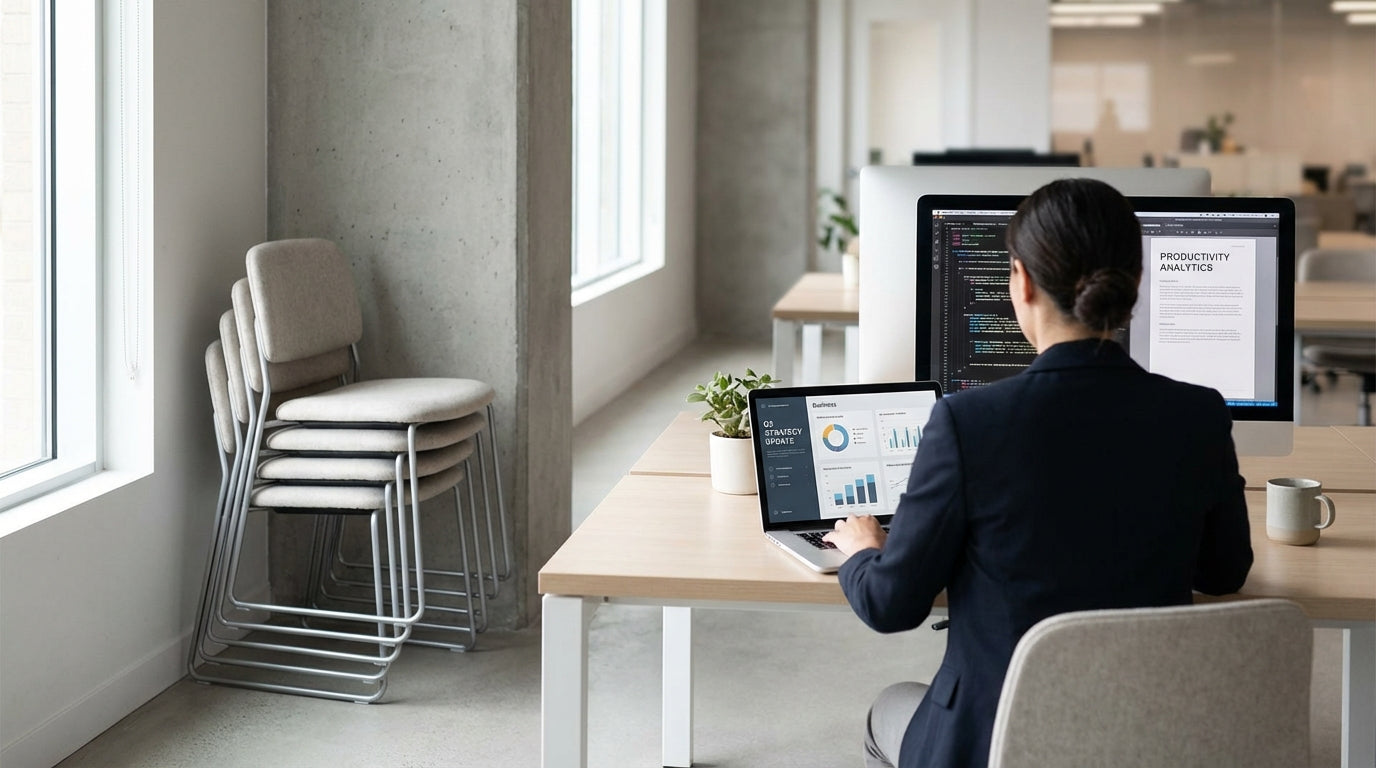
Why stackable seating matters in flexible spaces
Multi-purpose rooms have to work hard, shifting from meetings to workshops to events in a flash. The right seating makes those transitions quicker, safer, and more comfortable for everyone.
Stackable seating is designed to nest vertically, so you can pack away dozens of chairs in a compact footprint. That saves valuable floor space in community halls, training rooms, school auditoriums and church facilities where storage is often limited. Compared with bulky traditional seating, well-designed stacking chairs can cut set-up and pack-down time dramatically, which is a real win for staff and volunteers.
Because chairs are moved frequently in these environments, durability and weight are just as important as comfort. Lighter frames make it easier to shift stacks around, but they still need to withstand constant use, especially in high-traffic venues like education and hospitality. Modern stackable models use strong steel or aluminium frames and resilient plastics or upholstery that cope with regular bumping, stacking and cleaning.
Good design also keeps safety in mind. Look for chairs that stack straight and stable, with recommended maximum stack heights to avoid tipping. Purpose-built event & conference chairs often include features like linking clips to keep rows tidy and reduce tripping hazards during large gatherings.
Key features to look for in stackable chairs
Not all stackable seating is created equal. Focus on a few core features to get value for money and long-term comfort.
Seat ergonomics comes first. A slight curve in the seat and backrest helps support the natural shape of the spine, reducing fatigue during longer sessions such as training days, briefings or AGM meetings. If you host regular workshops, consider models similar to dedicated training chairs, which are designed for extended sitting and often include optional tablets for note-taking.
Frame material plays a big role in both durability and weight. Powder-coated steel is common and tough, while aluminium offers lighter handling for frequent set-ups. For schools and community centres, look for reinforced frames and thicker glides that can tolerate hard floors and younger users, much like robust school chairs that are built for daily movement and rougher treatment.
Upholstery and finishes should match how the room is used. For multi-purpose venues that double as function spaces, consider fabrics and designs inspired by hospitality chairs to keep things looking smart for formal events. In more casual meeting areas, breathable mesh backs or light polypropylene shells work well, similar to modern visitor chairs that balance comfort with easy maintenance. Wherever food and drink are served, stain-resistant fabrics or wipe-clean plastics are worth the investment.
Finally, check practical details: stack height, weight per chair, and compatibility with chair trolleys. These factors determine how many units you can realistically store and how easily staff can move them. Some venues also mix in a few folding chairs for overflow seating or for spots where storage depth matters more than height.
Matching chair types to common room uses
Different multi-purpose rooms have very different priorities. Matching chair styles to how the space is used helps you avoid expensive mistakes.
For community halls and function centres that host everything from markets to ceremonies, versatile event & conference chairs are a solid starting point. They’re designed for frequent reconfiguration, offer decent comfort for a few hours of sitting, and usually stack efficiently. In venues that occasionally seat people outdoors for ceremonies or overflow dining, pairing indoor seating with dedicated outdoor chairs can keep your main stock in better condition while still handling all-weather events.
Learning environments have their own needs. In training rooms, chairs with writing tablets or lightweight frames similar to specialised training chairs keep participants engaged without dragging in full desks. For school multi-purpose spaces that double as assembly halls, look for student-friendly designs based on proven school chairs, but that still stack high and move easily on trolleys between the hall and classrooms.
Corporate spaces often combine boardroom sessions, team workshops and informal catch-ups in the same zone. In these settings, it can be worth blending compact stackable options with more permanent meeting chairs at fixed tables. Break areas and casual collaboration zones benefit from softer styles drawn from breakout seating, which help signal that the space is for informal chats rather than formal presentations.
In hospitality and reception areas, you may prefer chairs that pull double duty. Seating influenced by hospitality chairs can transition from café-style service to seminar layouts, while stackable options with upholstered seats can supplement permanent visitor chairs when you need extra capacity in lobbies or waiting spaces.
Space planning, storage and layout tips
Good chair selection is only half the story; smart planning and storage keep your multi-purpose room efficient and tidy. A few layout tricks can save a lot of time.
Start by measuring your room carefully and mapping out your common layouts: theatre-style rows, classroom-style tables, cabaret clusters or open circles. Knowing your maximum headcount for each set-up helps you decide how many chairs you actually need to store on-site. For large events where every seat counts, having additional folding chairs on hand can cover occasional peaks without overcrowding your storage area every day.
Think vertically for storage. Most stackable models will safely pile between 6 and 12 high; check the manufacturer’s guidance and your own manual handling policies. Use chair trolleys where possible to reduce strain and speed up set-ups, especially in facilities that also handle trolleys for event & conference chairs or banquet furniture. Where space is really tight, you might dedicate one corner or storeroom wall solely to stacked seating, keeping other equipment separate so nothing blocks access during quick changeovers.
Layout also affects comfort and accessibility. Allow enough aisle width for prams, mobility aids and catering trolleys, and always keep exit paths clear. In meeting-heavy venues, mixing stackable units with a core of permanent meeting chairs can reduce how often you have to reconfigure, while still letting you expand capacity quickly. When planning informal zones off to the side, factor in a few pieces of breakout seating to create quieter corners away from the main crowd.
Don’t forget outdoor areas attached to multi-purpose rooms, such as patios or courtyards. Storing a separate stack of weather-resistant outdoor chairs nearby can stop your indoor stock from being dragged outside, which usually shortens its lifespan. Clearly labelled storage spots and simple floor plans pinned to a wall help staff and volunteers return chairs to the right place every time.
Choosing the right supplier and building a long-term setup
Once you know what you need, the next step is finding reliable furniture that will last. A good supplier can help you plan a complete, flexible seating solution.
Look for retailers that specialise in commercial seating rather than purely domestic furniture. They’ll typically offer ranges of stacking chairs, folding chairs and event & conference chairs that are tested for higher usage and come with commercial warranties. Ask about weight ratings, fire-retardant fabrics where relevant, and whether spare parts like replacement glides or arms are available; this can extend the life of your investment considerably.
Where your multi-purpose room also serves as a training or collaboration hub, consider building a family of coordinated pieces. Matching finishes across training chairs, meeting chairs and breakout seating creates a cohesive look while still giving you flexibility to reconfigure. For education or community centres, combining stackable options with dedicated school chairs can keep classrooms and shared spaces aligned without sacrificing durability.
Reception and hospitality-focused venues can benefit from a layered approach. Permanent visitor chairs in waiting areas can be supported by additional hospitality chairs that move between dining, function and seminar layouts as needed. Keeping a few stacks of tough outdoor chairs on hand also opens up al fresco options without putting indoor upholstery at risk from weather or spills.
Finally, think long-term. Choose neutral colours and classic shapes that will still look current in a few years, and buy a few extra chairs from the same range up front to cover growth or the odd loss. With a well-planned mix of stackable, folding and specialised seating from a single, reputable source, your multi-purpose room can handle everything from small team catch-ups to large community events with minimal fuss.


