

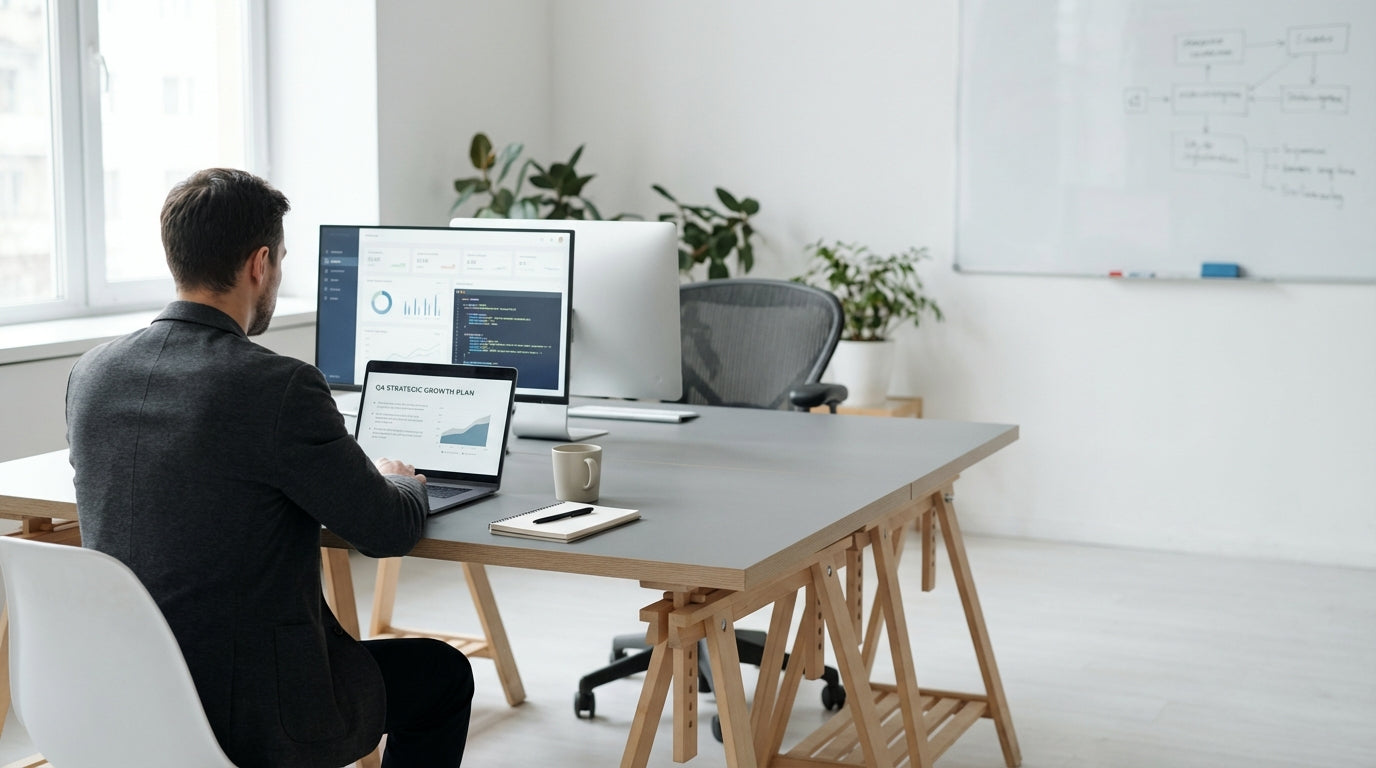
Why trestle tables suit temporary workspaces
Flexible work is now the norm across Australia, and furniture needs to keep up. Trestle tables are one of the simplest ways to create a stable temporary workstation in almost any space.
Unlike fixed desks, these tables are easy to bring out, pack down, and move as teams change. That makes them ideal for hot-desking, project rooms, exams, events, and short-term fit-outs. While permanent desks still have their place, a good trestle setup lets you scale work areas up or down without calling a builder or buying a full office suite.
Modern designs are a long way from the wobbly folding tables of the past. Commercial-grade trestles use stronger frames, higher weight ratings, and hard-wearing tops that handle laptops, paperwork and even training equipment. Pairing them with dedicated office & meeting tables can also give you a more polished look in client-facing areas while keeping the agile tables ready for when you need them.
For schools, short-term project teams or casual work hubs, trestles can supplement permanent student desks or home office desks to cover peak demand. The key is matching the table style to the way the space will be used, and understanding what features genuinely matter day to day.
Key features to look for in a trestle table
A quick fold-out table might work for a weekend market, but daily work needs something more robust. Focusing on a few core features makes it easier to choose the right model.
First, check the frame and mechanism. A steel or aluminium underframe with locking legs greatly reduces wobble, especially on carpet or uneven floors. Quality trestle tables typically publish load ratings, so you know they can comfortably support multiple monitors, printers or training gear without sagging.
Next, look at the worktop material and size. Melamine or high-pressure laminate tops are common in commercial environments because they’re scratch-resistant, easy to wipe down and available in neutral finishes that pair well with existing meeting tables. Consider depth as well as length: a slightly deeper top gives more room for keyboards, paperwork and power boards without feeling cramped.
Finally, think about portability and storage. If your tables are regularly packed away, a lighter frame and folding leg design will save time and effort compared with bulkier fixed options. If you need to reconfigure spaces multiple times a week, it’s worth comparing them with purpose-built folding tables and mobile tables, as these can streamline movement between rooms and floors.
Comparing trestles with other temporary table options
Trestles aren’t the only way to create a temporary workstation, so it helps to understand how they stack up against other table styles. Each option has its own strengths depending on how often you move and store furniture.
Traditional folding tables work similarly but usually have the legs attached directly to the top, which makes setup quick for events, exams and community halls. They’re excellent for occasional use, yet for intensive office environments where layouts change weekly, a mix of folding tables and flip mechanisms offers more flexibility. For example, flip top tables allow the surface to tilt vertically and nest together, saving valuable storage space in busy training centres.
On the other end of the spectrum, fully mobile options have castors on the base so you can roll workstations into place without any lifting. These mobile tables are popular in agile offices and collaborative classrooms, where teams regularly reconfigure pods and breakout zones. When you need both movement and formal presentation, combining mobile bases with fixed meeting tables and standard desks helps keep the room looking professional.
For structured learning environments, purpose-built training tables sit somewhere between permanent desks and portable trestles. They’re designed for frequent reconfiguration, often with modesty panels, cable ports and durable tops, and they pair well with existing student desks in schools or tertiary spaces. Weighing these options against simple trestles lets you choose the level of mobility and polish that fits your specific workspace.
Practical setup tips for temporary work zones
Getting the right tables is only half the job; how you set them up has a big impact on comfort and productivity. A few simple planning steps make temporary spaces feel more permanent and organised.
Start by mapping out the room based on people, power and pathways. Ensure each workstation has easy access to power points, or plan shared power rails along rows of trestles so cables don’t become a trip hazard. Leaving clear walkways between clusters of tables also improves accessibility and avoids bottlenecks, especially in training rooms and exam spaces arranged with training tables or office & meeting tables.
Next, check table height and chair compatibility. Standard commercial tables are usually around 720–730mm high, which suits most task chairs, but some lightweight trestles can vary. Test a few setups with the chairs you already own, or match new tables to your existing home office desks or student desks so users feel consistent support. If different staff members are sharing temporary stations, adjustable chairs become even more important.
Finally, plan where tables will live when not in use. Trestles that fold flat can often be stored against a wall or in a cupboard, while nested flip top tables and compact mobile tables can tuck into small storerooms. Keeping storage close to the rooms where you use the furniture reduces the time and effort required to set up temporary work zones for events, workshops or project sprints.
Choosing the right mix for your workplace
No single table style will cover every situation, so aim for a flexible mix. Start with how often you reconfigure spaces and the level of finish you need for staff versus visitors.
If your office frequently hosts workshops, board meetings and client presentations, combining permanent meeting tables with a bank of stackable trestles gives you the best of both worlds. The fixed furniture handles day-to-day use and important presentations, while the portable pieces support extra attendees or breakout groups. This blend works equally well for coworking hubs and government departments that need to adapt rooms for different teams.
Education environments may benefit from a slightly different mix. Core learning spaces can rely on durable student desks and dedicated training tables, backed up by a set of trestles and folding tables for exams, open days and community events. For remote and hybrid staff, investing in suitable home office desks ensures their workstations at home feel just as functional as those in the main office.
By planning your furniture mix around real usage patterns rather than guessing, you avoid overbuying and keep storage under control. A thoughtful combination of trestles, office & meeting tables, mobile and flip-top solutions lets you build adaptable temporary workspaces that still feel professional, comfortable and ready for whatever your team takes on next.


