

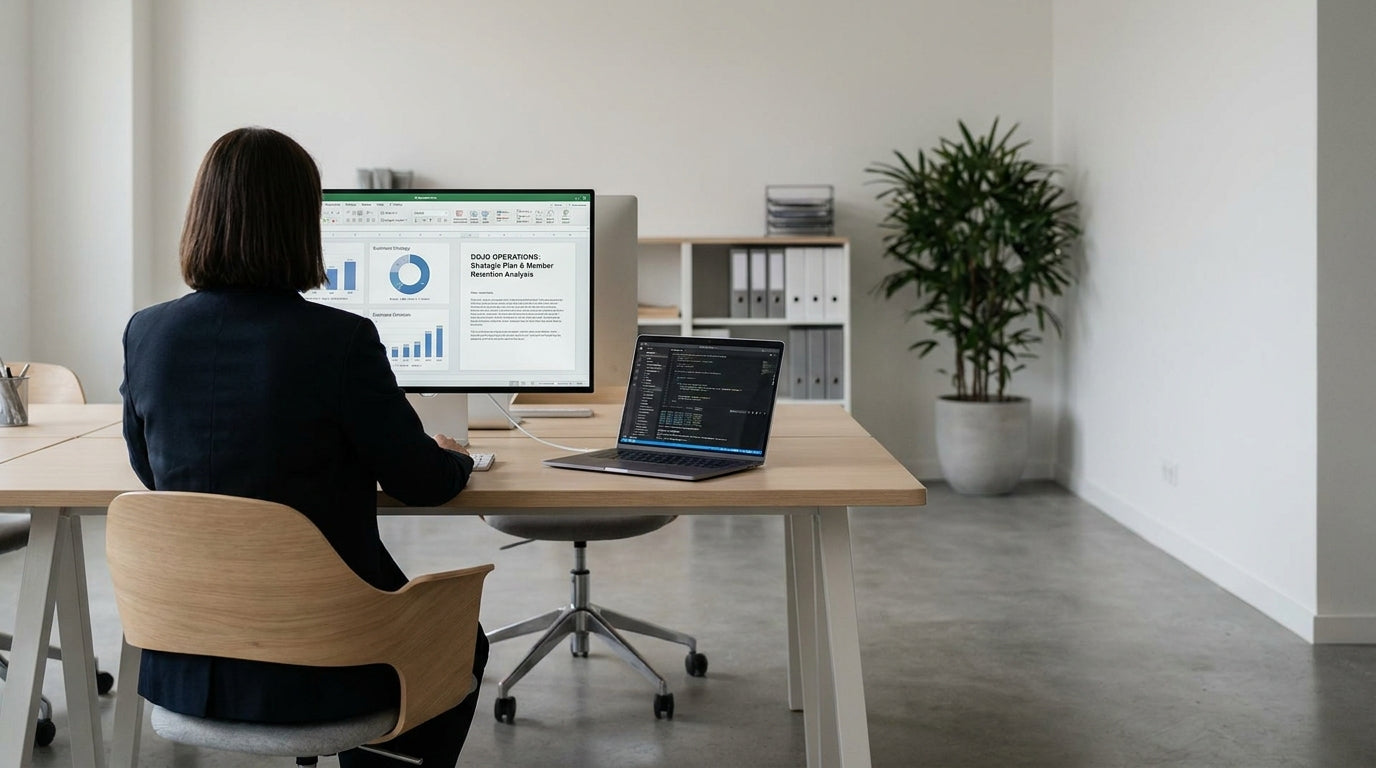
Designing an Efficient Admin Hub for Your Dojo
The admin area is the engine room of a martial arts school. Getting the layout and furniture right helps everything run smoothly, from enrolments to grading days.
Start by separating clear zones: a reception point for walk-ins, a workstation zone for staff, and a storage area for paperwork and equipment. A defined reception counter creates a natural boundary between the public space and the office zone, helping staff manage enquiries while keeping sensitive information secure. For most dojos, a compact footprint means furniture needs to be multi-purpose and carefully sized, so measure your floor space and traffic flow before buying anything.
If your dojo opens directly to the street or a busy car park, your reception zone becomes even more important. A dedicated counter, such as one of the Straight Reception Counters, gives you a clear entry point where new students can sign in, ask questions, and complete forms without cluttering the training mats. For corner spaces or irregular rooms, consider L-Shaped Reception Counters to make better use of walls while keeping walkways open.
Think about line of sight as well as access. Staff should be able to see the main entry and at least part of the training area from the desk to monitor arrivals and supervise students between classes. Using low storage units and compact desks instead of bulky partitions helps maintain visibility while still giving staff a defined work area.
Choosing the Right Desks for Dojo Administration
Desk choice affects how effectively you can manage bookings, payments, and paperwork. It also needs to suit your space and the way you run classes.
For small or single-room dojos, simple Straight Desks often provide enough surface for a computer, payment terminal, and sign-in sheets without dominating the room. They’re easy to line up along a wall behind a reception counter or use as a secondary admin station for instructors who help with paperwork between sessions. If the same area doubles as a study or planning space, one of the more compact Home Office Desks can keep the feel light and uncluttered.
For busier schools that handle higher volumes of memberships, direct debits, and communications, extra workspace makes a big difference. An L-Shaped Desk gives you one side for computer work and another for grading forms, merchandise stock lists, or student files. This separation reduces the chance of mixing up important documents during peak times when parents are waiting and phones are ringing.
Head instructors or school owners who also manage finances and strategic planning might benefit from dedicated Manager Desks. These typically offer more surface area and better integrated storage, which suits tasks like budget planning, instructor rosters, and curriculum development. A clear, organised desk setup signals professionalism to parents and adult students, reinforcing that your dojo is a well-run business as well as a training space.
Reception Counters that Support Enrolments and First Impressions
Your reception counter is usually the first thing new visitors see. It shapes their perception of your dojo before they ever step on the mat.
A well-chosen counter creates a clean, professional front-of-house and makes enrolment simple. General Reception Counters are designed to hide cables, paperwork, and point-of-sale gear, keeping the visible surface neat for sign-in sheets, brochures, and merchandise displays. This is especially useful during busy changeover periods between classes when multiple families are waiting and staff need to process payments quickly.
When space is tight, a streamlined unit from the Straight Reception Counters range can slot neatly along a wall without blocking traffic. For larger dojos or corner entrances, an L-Shaped Reception Counter can define a welcoming front desk while creating a natural queue area. This makes it easier to manage sign-ins for children’s classes and keeps parents away from the training line so instructors can focus.
Consider height and accessibility as well. A counter should be high enough to keep paperwork and screens away from children’s reach but not so high that it feels like a barrier. Ensure there’s enough under-bench space for a chair, a small Filing Cabinet, and any point-of-sale equipment, so staff can work efficiently without constantly moving between different pieces of furniture.
Ergonomic Seating for Instructors and Visitors
Even in an active environment like a dojo, seating matters. Staff need proper chairs, and visitors appreciate comfortable places to wait.
For anyone working at a computer or managing bookings, quality Task Chairs are essential. These are designed for regular desk use, with adjustable height and back support to reduce strain during admin blocks between classes. Instructors who also teach long sessions benefit from good seating when they sit to handle grading forms or lesson planning, helping to minimise fatigue and lower back issues.
Visitor seating doesn’t need to be elaborate, but it should be durable and easy to clean. A bank of sturdy Visitor Chairs can provide a professional, uniform look that’s easier to maintain than mismatched household chairs or old benches. Stackable options are useful if you sometimes clear the waiting area to host seminars, in-house tournaments, or grading ceremonies that need extra mat space.
Think about the flow of people sitting and standing as classes turn over. Place chairs so parents can see the training floor without blocking entrances or the reception counter. This simple planning helps reduce congestion at the door and keeps students’ paths clear as they bow on and off the mats.
Secure Storage and Paperwork Management
Behind every organised dojo is a strong storage system. Good storage protects sensitive data and keeps the admin zone clutter-free.
Even if most of your enrolment and billing is digital, you’ll still have physical documents like waivers, grading records, and incident reports. Lockable Filing Cabinets allow you to store these securely, meeting privacy obligations while keeping information easy to find when needed. Place them within arm’s reach of your main desk or reception counter so staff don’t have to leave the front unattended to retrieve a file.
Use a simple labelling system by belt level, program type (kids, adults, competition team), or year. This speeds up tasks like checking grading history or confirming attendance when students apply for their next rank. Combining filing drawers with shelves or cupboards built into Home Office Desks or Manager Desks can keep frequently used forms close at hand while long-term records sit safely in deeper storage.
Finally, consider how storage supports other parts of the dojo. A small cabinet near the front desk can hold first-aid supplies, spare uniforms for sale, and promotional materials, minimising trips to the back room. By integrating secure storage with your desks, reception counters, and chair layout, you create an admin area that feels professional, efficient, and aligned with the discipline you teach on the mats.


