

Designing a Waiting Area That Reduces Anxiety
First impressions start in the waiting room, and that’s where patient comfort really begins. A calm, well‑planned space can lower anxiety before a treatment even starts.
Choose reception seating that supports different body types and mobility levels. A mix of reception seating and dedicated visitor chairs gives you flexibility in layout and allows you to create clear walkways for patients using walking aids or prams. Soft, rounded edges on chairs and coffee tables help prevent bumps in tight spaces, especially for older patients.
Colour and material choices also play a role in comfort. Neutral tones with a few calming accents (such as blues or greens) can reduce the clinical feel without compromising hygiene. Opt for healthcare‑grade fabrics or vinyls that are easy to wipe down, stain-resistant, and compliant with infection control protocols commonly required in Australian medical environments.
Noise and crowding can increase stress, particularly for patients already in pain. Consider zoning the space by separating the main waiting area from a quieter nook using different furniture types, such as low-profile lounges and compact tub chairs. This lets families sit together while solo patients who prefer more privacy can wait in peace.
Seating Solutions for Different Mobility Needs
Podiatry clinics see a wide range of patients, from athletes to elderly patients with limited mobility. Seating needs to cater to all of them safely and comfortably.
High‑back chairs with firm cushions make it easier for patients to sit and stand without strain. Adding a small number of specialist power lift chairs is particularly helpful for patients with arthritis, balance issues, or post‑operative pain. These chairs gently raise users to a standing position, reducing the risk of falls and minimising staff assistance time.
Armrests are more than an aesthetic choice; they provide leverage and stability when sitting and standing. Sturdy visitor chairs with supportive arms and appropriate seat height (generally 450–500 mm for adults) can make appointments more accessible for people with foot, ankle, and knee conditions. For bariatric patients, wider seating options ensure both dignity and safety.
In clinics that see groups or families, modular options like beam seating can be useful along walls or in larger corridors. Beam units maximise capacity while keeping floors clear for easy cleaning and wheelchair access. Combining beam systems with occasional power lift chairs and standard armchairs creates a layered approach that suits varied mobility needs.
Creating a Comfortable, Efficient Reception Zone
The reception area is both a work zone for staff and a comfort zone for patients. Good furniture choices help it function smoothly without feeling crowded or clinical.
Reception desks should be paired with seating that encourages clear sightlines and easy communication. A blend of reception seating and compact tub chairs near the counter lets patients complete forms or make payments without hovering awkwardly. Position some chairs slightly away from the desk for those who value privacy when discussing medical details or Medicare claims.
For larger podiatry clinics, consider different seating “zones” in the reception area. Use softer single lounges near windows for longer waits and firmer visitor chairs closer to the entry for quick appointments. This simple zoning helps manage foot traffic and reduces bottlenecks at the front door, which is especially useful during peak times and bad weather.
Durability is crucial in busy clinics, where furniture may be used all day, every day. Choosing commercial‑grade reception seating with robust frames and quality upholstery reduces long‑term maintenance and replacement costs. Non‑slip glides on chair legs protect hard floors and limit movement when patients lean or shift their weight, further improving safety.
Comfortable Treatment and Consult Spaces
Once patients leave the waiting room, they still need to feel supported and at ease in consulting and treatment rooms. The right furniture layout can make clinical procedures feel less intimidating.
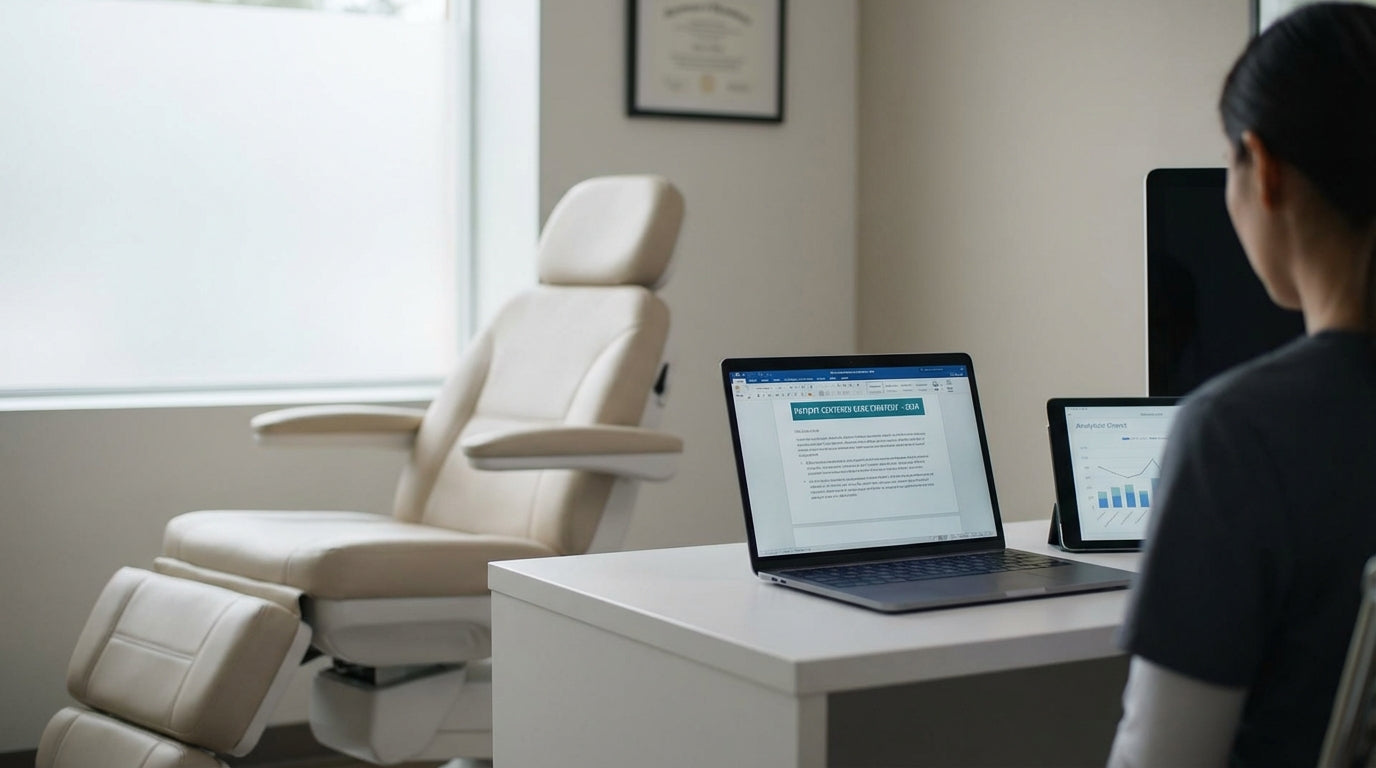
In podiatry rooms, positioning sturdy visitor chairs away from trolleys and cables helps create a safe seating area for patients and carers. Patients often remove footwear, so providing a stable chair with a backrest and arms near the treatment chair can make this process easier, especially for those with limited balance. A small side chair or tub chair for family members can be invaluable when treating children or patients needing support.
For longer consultations or multidisciplinary clinics, lounges can make the space feel more like a consultation suite than a procedure room. Compact single lounges or 2 seater lounges allow podiatrists to discuss treatment plans, orthotics, and rehabilitation exercises in a more relaxed setting. This can improve patient engagement and encourage questions, leading to better adherence to care plans.
Where space allows, consider a small breakout-style corner for pre‑ or post‑treatment rest. Low, comfortable options like breakout seating or compact 3 seater lounges give patients a chance to sit and adjust footwear or review exercise instructions before leaving. Keeping this area slightly away from clinical equipment helps separate “treatment” from “recovery,” which many patients find reassuring.
Maximising Space with Flexible Furniture Choices
Most podiatry clinics need to balance limited floor space with patient comfort. Flexible furniture solutions help you increase seating capacity without sacrificing access or safety.
Wall‑aligned beam seating works well in narrow corridors and secondary waiting areas, such as outside treatment rooms. Because the seats share a frame, they take up less space than multiple standalone chairs and simplify cleaning underneath. In busier practices, beam units can be combined with a few freestanding visitor chairs to create extra seating when demand spikes.
In larger clinics with multiple practitioners, incorporating more relaxed zones can improve comfort for family members and patients waiting for combined appointments. Options like breakout seating, single lounges, and 2 seater lounges let you create small pods where people can sit together without dominating the main reception area. For high‑traffic practices, a durable 3 seater lounge can anchor these zones while lighter pieces are rearranged as needed.
Accessible seating should be clearly available without patients having to ask. Keeping at least one power lift chair in the main waiting space and another supportive armchair near the entrance sends a strong message about inclusivity and care. By combining well‑planned reception seating with thoughtful traffic flow, podiatry clinics can offer a comfortable, welcoming environment that supports better patient outcomes and a smoother daily workflow.


