

How Colour Affects Focus and Productivity
Colour does more than make an office look attractive; it can directly shape how you feel and work. The right palette can boost focus, calm stress and even support creativity.
Psychologists often group colours into “stimulating” and “calming” families. Stimulating colours such as reds and oranges can increase energy and urgency, but in a workspace they may also feel stressful if overused. Calming tones like blues, greens and soft neutrals tend to support sustained concentration, which is ideal for long days at a desk.
In modern Australian offices, the safest approach is to use bolder hues as accents and keep large items like straight desks and storage in more neutral finishes. This stops the space from feeling overwhelming while still allowing personality. When your furniture colour works with, rather than against, your wall paint and lighting, it becomes easier for staff to stay focused on their tasks.
Another factor is how colour interacts with natural light. Lighter furniture surfaces reflect daylight, making smaller offices feel brighter and more open. Darker desks and cupboards can look sleek, but if the room is poorly lit they may contribute to eye strain and fatigue over time.
Best Desk Colours for Different Types of Work
Your desk is where you spend most of your day, so its colour should match the type of work you do. Different tones can encourage calm problem‑solving, focused admin work or creative thinking.
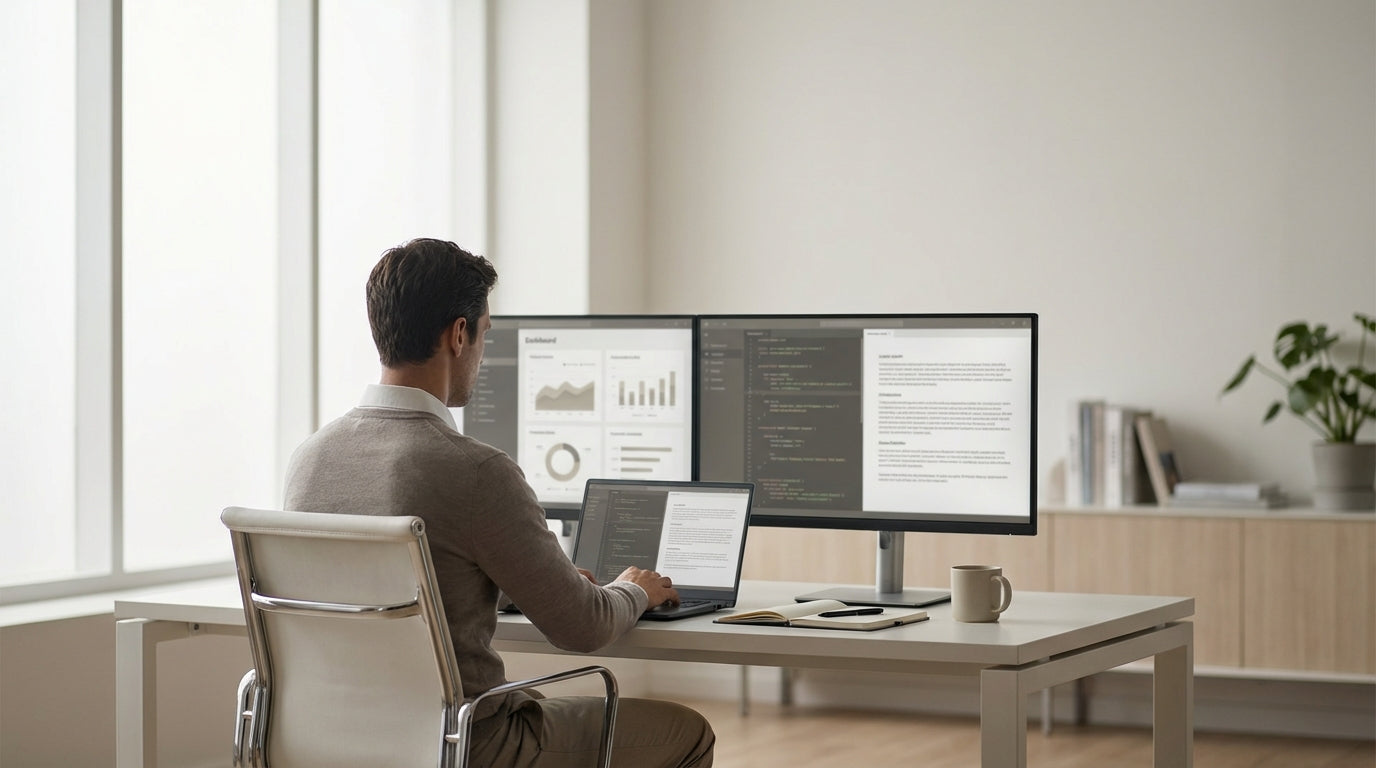
For analytical or detail-heavy roles, softer cool tones tend to work best. Light oak, white and pale grey L-shaped desks and corner office desks reflect light and reduce visual clutter, which can improve concentration on spreadsheets, coding or compliance documents. These finishes are also easy to match with a wide range of screen and accessory colours, so your workspace looks ordered rather than busy.
For managers and client-facing roles, deeper timbers and charcoal finishes can project authority without feeling harsh. Pairing a darker surface on manager desks with lighter storage or walls helps maintain balance so the room doesn’t feel heavy. This combination suits executive offices, meeting rooms and spaces where you want to signal professionalism and stability.
If you work from home, you often need a mix of focus and comfort. Neutral or warm-toned home office desks in white, light timber or soft grey can blend with household decor while still feeling “work ready”. Add colour through desk accessories rather than the desk surface itself, so you can adjust the mood easily as your needs change.
Neutral vs Bold: Choosing a Productive Palette
A neutral base is usually the most practical starting point for a productive office. You can then layer bolder accents where energy or creativity is needed.
Neutrals include whites, greys, beiges and light wood tones. These colours are versatile and forgiving, especially when you are combining different pieces like single person workstations, office & meeting tables and storage units in one open-plan area. They help create a consistent look even when furniture comes from different ranges or is added over time as your team grows.
Bolder colours are best introduced in smaller doses. For example, you might keep main work surfaces neutral while using coloured modesty panels, desk screens or feature chairs to add personality. This approach means you can refresh the look of your space easily without replacing large items such as height adjustable workstations or boardroom tables.
Because Australian workplaces often have strong daylight, very bright colours can quickly become overwhelming. Choosing muted versions of your favourite shades – like dusty blues instead of vivid cobalt, or olive instead of neon green – keeps the office calm but still interesting. A simple rule is 60–30–10: about 60% neutral base (desks and cupboards), 30% secondary colour (chairs and soft furnishings) and 10% accent colour (art and accessories).
Matching Office Furniture Colours to Your Space
The “best” colour also depends on the size, layout and light levels of your office. What works in a large open-plan area may not suit a compact study or private office.
In smaller rooms, light-coloured desks and storage can stop the space feeling cramped. White or pale timber straight desks and slender office cupboards help walls recede visually, giving you more breathing room. If you need extra surface area, consider matching light-toned corner office desks with similarly pale shelves to keep the room from closing in.
For larger or shared spaces, zoning with colour can be very effective. You might choose one finish for collaborative zones using office & meeting tables, and another for focused work areas with single person workstations. Soft, consistent tones across workstations keep things calm, while slightly richer hues in meeting or breakout areas encourage discussion and idea sharing.
Lighting is just as important. Under cool fluorescent light, very white furniture can feel stark, while under warm LEDs the same desk looks softer and more inviting. When possible, test a sample of the finish in your actual space before ordering a full run of height adjustable workstations or home office desks. This small step reduces the risk of ending up with a colour that looks very different from what you expected.
Practical Tips for Selecting Productive Furniture Colours
Choosing the right colours is easier when you follow a few simple guidelines. Think about function first, then style.
Start by clarifying what each area of your office is for. Focus zones benefit from calm neutrals; client areas can handle richer, more impressive finishes. If you host regular meetings, selecting a durable, mid-toned finish for your office & meeting tables helps hide everyday wear and keeps the room looking presentable between cleans.
Next, consider flexibility. If your team or layout changes often, stick to a consistent colour across key pieces like L-shaped desks, straight desks and manager desks. This makes it easier to rearrange furniture without the space looking mismatched. You can then bring in colour with moveable items such as screens, chairs and storage accessories.
Finally, think long term. Trend colours change quickly, but a well-chosen neutral paired with subtle accent tones will look modern for years. Investing in timeless finishes for staples like home office desks, corner office desks and office cupboards means you can freshen up the look with minimal cost and disruption, while keeping your workspace consistently productive and professional.


