

Understanding Formal Meeting Requirements
Choosing the right table for a formal boardroom is about more than looks. It needs to support professional discussions, presentations, and decision‑making.
A formal meeting space typically hosts directors, executives, clients, and stakeholders, so the table should reflect the importance of those interactions. Consider how often you host high‑level presentations, strategy sessions, or client pitches, as this influences size, configuration, and finish. A refined surface, solid construction, and integrated power options can all contribute to a polished and efficient setting.
Before you start browsing Boardroom Tables, list your must‑have features: seating capacity, cable management, durability, and accessibility for video conferencing equipment. Think about how people will enter and exit the room, where screens and Magnetic Whiteboards sit, and whether catering or documents need extra surface space. These practical considerations help narrow down the most suitable table shapes and styles for a genuinely formal environment.
Popular Shapes for Executive Spaces
Shape plays a big role in how formal meetings feel and function. Different layouts influence eye contact, hierarchy, and acoustics.
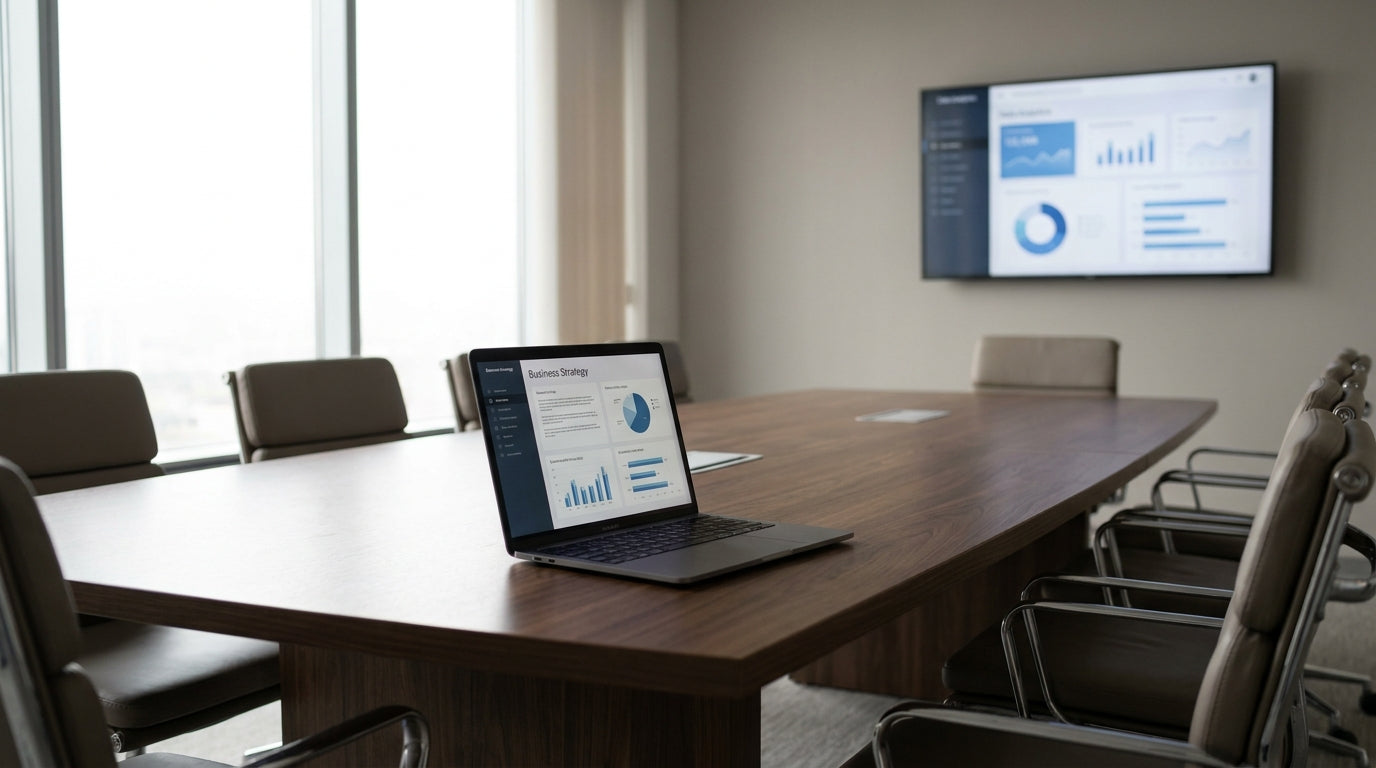
Rectangular tables are the traditional choice for corporate boardrooms, reinforcing a clear head‑of‑table position that suits chairpersons and senior leaders. They work well in long, narrow rooms and create distinct sightlines towards presentation screens or speakers. Boat‑shaped tables offer a subtle curve along the sides, softening the look while still feeling executive, and improving visibility for people sitting further down the table.
For organisations that want a more inclusive but still professional atmosphere, oval and racetrack designs balance formality with collaboration. These options reduce hard corners, making it easier for everyone to see and hear each other while maintaining a streamlined look. If you use flexible spaces for both formal and informal sessions, pairing a refined oval boardroom table with additional Meeting Tables nearby can provide overflow or breakout capacity without sacrificing style.
Square and compact shapes are better suited to smaller executive rooms, where leadership teams meet in person or via video link. In these spaces, it’s often more effective to choose a premium finish and strong base design than to push for maximum seating. Reviewing a range of shapes within broader Office & Meeting Tables collections can help you visualise what will best suit your layout and meeting style.
Size, Capacity, and Room Layout
The right boardroom table should fit the room and your guest list comfortably. Too big or too small can both undermine a formal setting.
As a guide, allow at least 600–800 mm of width per person along each side of the table so attendees have enough elbow room, laptops can be used, and documents can be spread out without feeling cramped. Around the perimeter, aim for at least 1000–1200 mm of clearance between the table edge and the walls, storage units, or Credenzas / Buffets. This ensures people can move around the room, pull out chairs, and serve refreshments discreetly during formal meetings.
Consider how the table works with your presentation tools. If you rely on a wall‑mounted display or projection, check that all seats can see it clearly without twisting. Positioning the table centrally, with the main viewing direction aligned to the long or short end, will affect which shape from the Boardroom Tables range makes the most sense. Larger rooms may also benefit from in‑table power and data modules for laptops and conferencing equipment.
It’s also important to think about future growth. If you expect your leadership team to expand, consider a configuration that can be extended or paired with matching Meeting Tables for occasional extra seating. This approach maintains a cohesive style while allowing your boardroom to adapt to larger or more complex formal gatherings without needing to redesign the entire space.
Materials, Finishes, and Seating Choices
Materials and finishes send a strong message about your brand and level of formality. The right chairs complete the overall impression.
Timber veneer and high‑quality laminate tops are common in executive spaces because they balance durability with a sophisticated appearance. Darker finishes can look more traditional and authoritative, while lighter tones feel contemporary and help brighten the room. A robust base—whether panel, pillar, or metal frame—should be stable and discrete, so knees and feet aren’t constantly knocked during long agenda items.
Pairing the table with suitable seating is just as important for comfort and professionalism. Upholstered Meeting Chairs with ergonomic support help attendees stay focused through lengthy briefings and presentations. For higher‑end spaces, executive‑style Leather Chairs can reinforce a premium look, particularly in client‑facing rooms. If your boardroom doubles as a space for training or interviews, consider stacking or mobile Visitor Chairs that coordinate well with the main seating.
Don’t overlook other task‑oriented seating in adjacent areas. Leaders who move between their desks and the boardroom benefit from consistent comfort and posture support, so matching or complementary Task Chairs in nearby offices can create a unified aesthetic. When all these elements—table, chairs, storage, and accessories—work together, your meeting space feels deliberate and ready for serious, formal discussions.
Technology Integration and Practical Styling
Modern formal meetings rely heavily on technology. Your boardroom table should support this without clutter.
Look for options with integrated cable ports, power boxes, and data access points to keep leads off the surface and out of walkways. This is especially important when multiple laptops, microphones, and video conferencing units are used at once. Clean cable management helps the room look organised and professional, even during complex presentations. Matching storage units, such as Credenzas / Buffets, can hold AV equipment, documents, and catering, leaving the main table free for discussion.
Visual communication tools also shape how formal sessions run. Wall‑mounted Magnetic Whiteboards provide space for strategic diagrams, sales figures, or timelines without introducing visual noise on the tabletop. When combined with a well‑chosen piece from the broader Office & Meeting Tables range, you can create nearby breakout or side tables for smaller groups to workshop ideas before presenting back to the main board.
Ultimately, the best boardroom solution is one that looks refined and handles the realities of everyday corporate life. By matching table shape, size, materials, and seating with the way your organisation actually meets, you’ll create a formal environment that is both impressive and genuinely functional. Exploring curated Boardroom Tables alongside coordinated Meeting Chairs and accessories makes it easier to achieve a cohesive, professional result that stands up to years of high‑stakes discussions.


