

Why Table Shape Matters for a Relaxed Meeting Culture
The shape of your meeting table has a big impact on how people behave and communicate. In relaxed, modern offices, the aim is usually to reduce hierarchy and make collaboration feel easy.
Rectangular tables are familiar and practical, but they can subtly reinforce a “head of the table” dynamic. If your culture is informal, consider softening this by choosing a slimline rectangle with rounded corners or by mixing in smaller side tables. This still gives structure but signals that everyone has an equal voice.
Round and oval options are often the best fit for casual collaboration. With no head position, they naturally encourage eye contact and open discussion. Many Australian teams pair a central round table with nearby lounge pieces or breakout seating to make meetings feel less rigid and more like a conversation.
For hybrid and agile workplaces, modular shapes are worth exploring. Configurable mobile tables can be grouped into a large boardroom layout or split into smaller pods, supporting both formal presentations and quick stand-ups. This flexibility lets your table layout adapt as your culture evolves.
Materials and Finishes That Feel Approachable
The look and feel of your table surface sends a strong cultural signal. Softer, more tactile finishes usually support a relaxed atmosphere better than cold, high-gloss surfaces.
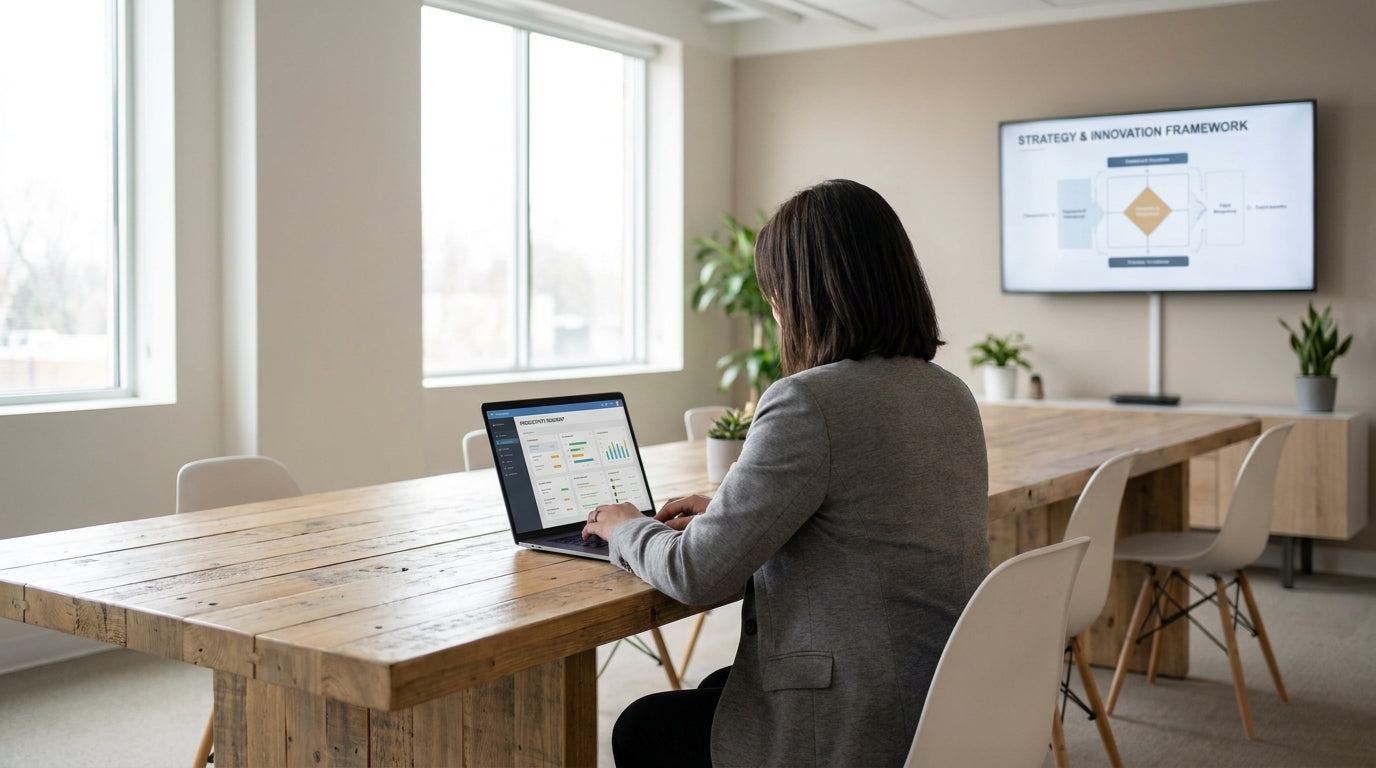
Warm timber and timber-look finishes are popular in Australian offices that want a welcoming, down-to-earth vibe. These materials pair well with fabric-upholstered meeting chairs or casual visitor chairs, creating an environment that feels more like a creative studio than a corporate boardroom. By contrast, highly polished glass can feel formal and a bit intimidating in everyday use.
Durability still matters, even when the look is relaxed. Laminate and melamine tops with soft, modern colours (such as oak, white or light grey) are easier to wipe clean, handle coffee cups and laptops, and withstand frequent reconfiguration. When you’re browsing boardroom tables, look for finishes with good scratch and stain resistance so the space stays tidy without feeling precious.
Think about how the table materials tie into nearby pieces as well. Matching or complementary surfaces on coffee tables and casual round tables can create a cohesive look across your meeting and breakout areas. This visual continuity reinforces the message that collaboration can happen anywhere, not only at the “big table.”
Size, Layout and Flexibility for Casual Collaboration
An informal culture needs space that can flex with different types of conversations. Getting the size and layout right makes spontaneous collaboration much easier.
Start by considering how many people usually attend your meetings, not just the maximum. Oversizing the table can make smaller groups feel lost and discourage side conversations. On the other hand, choosing a size that is always full makes it hard to bring in an extra person at short notice. Collections of meeting tables in different dimensions can help you match the space to each type of session.
Many organisations now prefer several smaller tables over one massive one. A cluster of compact office & meeting tables can be pushed together for workshops, then separated for breakout work or quick huddles. Adding a couple of mobile tables gives even more options for rearranging layouts on the fly, supporting agile project teams without the need for a full room refit.
Don’t forget circulation space and comfort. Informal spaces work best when people can move freely, pull up extra meeting chairs, or step aside for a private chat without squeezing around tight corners. Allowing good access around the perimeter of your main boardroom tables and nearby seating keeps the room feeling relaxed, not cramped.
Pairing the Right Seating with Your Table
Chairs play a big role in how formal or relaxed a room feels. The same table can seem very different depending on what you put around it.
For informal spaces, look for meeting seating that is comfortable, supportive and visually light. Mesh-backed meeting chairs with simple adjustment features encourage longer discussions without feeling like heavy executive furniture. Mixing in a few softer visitor chairs or low stools can break up uniform rows and signal that it’s okay to sit where you like.
Consider creating zones within your meeting area by mixing seating styles. A main table with task-style chairs can be complemented by nearby lounge pieces or breakout seating for more relaxed chats. Team members might start at the table to review data, then shift to the lounge area to brainstorm. This movement keeps energy high and helps different personality types find a spot where they feel comfortable contributing.
Height also influences the tone. Standard-height tables feel familiar and inclusive, while occasional use of higher tables with perch stools can encourage short, focused stand-ups. Pairing these with smaller round tables or side coffee tables nearby gives people options without locking them into a single “formal” posture.
Creating a Connected Meeting Ecosystem
Informal culture works best when meeting spaces are part of a broader ecosystem, not isolated rooms used only for big presentations. The table is just one element in a network of surfaces and seating that support everyday collaboration.
Think beyond a single boardroom and consider how different table types work together across your floorplate. A large central meeting area with one or two key boardroom tables can be supported by smaller meeting tables for project teams, plus scattered coffee tables for informal catchups. This variety means staff don’t have to “book a boardroom” every time they want a quick discussion.
Spaces that encourage movement also feel more relaxed. Mobile furniture, like reconfigurable mobile tables and flexible office & meeting tables, allows your layout to shift between quiet focus, team planning and client visits. Nearby breakout seating and a few extra visitor chairs mean the same area can scale up for workshops or scale down for one-on-ones.
Ultimately, the best table for a relaxed culture is the one that fits into a well-planned, flexible environment. When your round tables, primary boardroom pieces, and casual settings all work together, staff quickly learn that collaboration is welcome anywhere. This alignment between furniture and behaviour makes your informal culture feel natural rather than forced.


