

Why Chair Choice Matters for Long Meetings
Long meetings can be mentally demanding, but the wrong chair makes them physically exhausting as well. Good seating keeps people focused, more collaborative, and less likely to clock-watch.
When you’re seated for an hour or more, the chair becomes part of your working environment, just like lighting or technology. Poor support leads to restlessness, slouching, and back or neck pain, which quickly derails concentration. That’s why purpose-designed meeting chairs are worth considering instead of repurposing café or breakout seating for the boardroom.
Comfort isn’t only about plush padding; it’s about posture, movement, and temperature. The best chairs for extended sessions balance ergonomics, adjustability, and style so your team and clients stay comfortable without turning the boardroom into a home office. Understanding the different options available is the first step to making a smart, long-term investment.
Key Ergonomic Features for Extended Comfort
Ergonomics is about matching the chair to the user’s body and task. For longer meetings, a few key features make a big difference to comfort and focus.
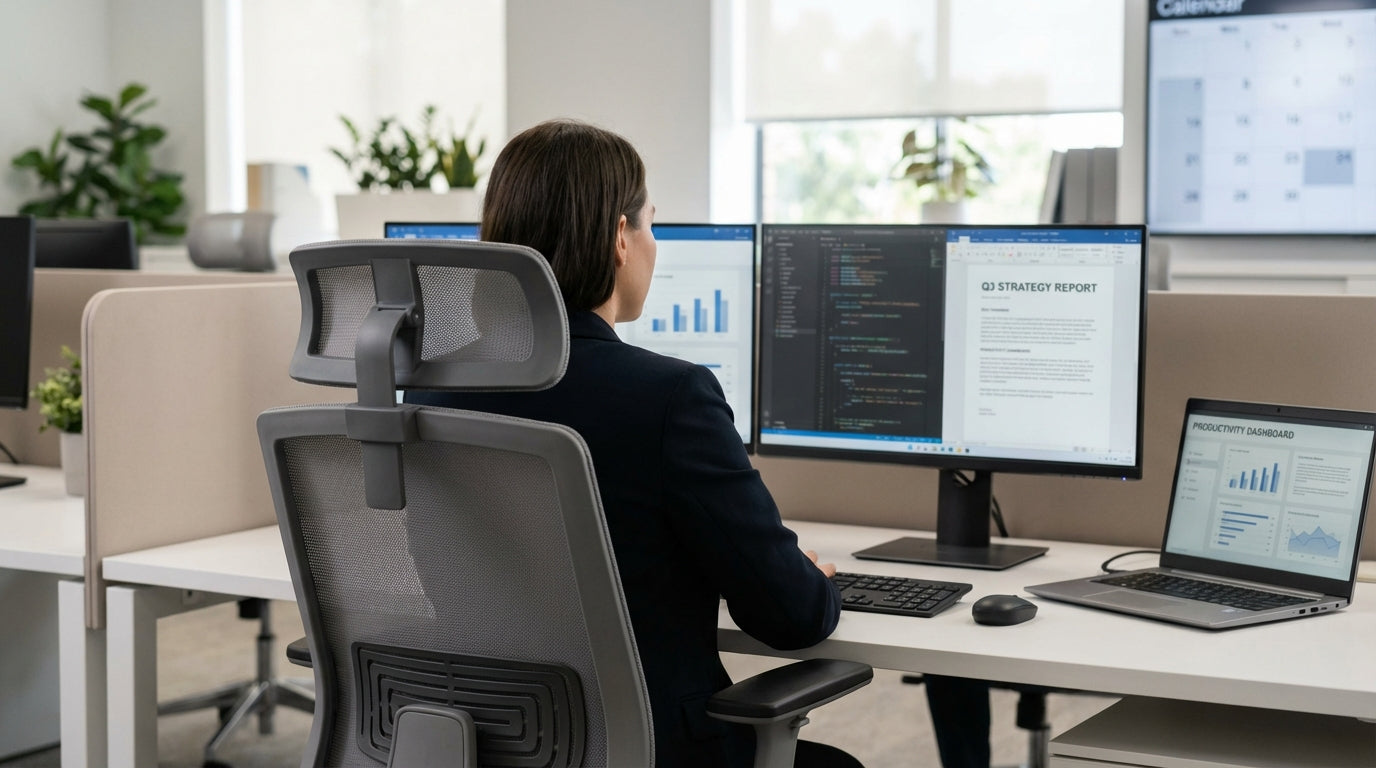
Look for chairs with proper lumbar support that follows the natural curve of the spine. This helps prevent slumping as people tire, which can otherwise strain the lower back. Adjustable seat height is essential so feet rest flat on the floor, knees are at roughly 90 degrees, and circulation isn’t cut off at the thighs. Many well-designed task chairs offer this level of adjustability and can work well in more flexible or project-based meeting spaces.
Seat depth and contour matter more than most people realise. A seat that’s too deep forces people to perch on the front edge, while one that’s too shallow doesn’t support the thighs. Ideally, there should be a small gap between the back of the knees and the seat. Contoured foam that maintains its shape over time is better than very soft padding that compresses and loses support halfway through a strategy session.
Armrests are another factor. Fixed arms can work in formal settings, but height-adjustable arms let a broader range of people sit with relaxed shoulders and neutral wrists when using laptops or tablets. In some rooms, mixing more supportive chairs with lighter visitor chairs gives you flexibility for different types of attendees, from presenters to occasional guests.
Mesh vs Leather vs Upholstered: Which Material Works Best?
Chair material affects comfort, temperature, and the overall feel of the room. Different finishes suit different meeting styles and budgets.
Mesh office chairs are a popular choice for long sessions, especially in warmer Australian climates. The breathable back helps with airflow, reducing heat build-up and the sticky feeling that can come from prolonged contact with non-breathable materials. Quality mesh also offers flexible support that adapts to different body shapes without feeling rigid. For busy project rooms or hybrid spaces, mesh can be a smart, low-maintenance option.
For executive and boardroom settings, leather chairs bring a more premium look. Genuine or good-quality PU leather is easy to wipe clean and tends to age well visually. The key is checking that underlying ergonomics aren’t sacrificed for appearance: there should still be good lumbar support, a stable base, and cushioning that doesn’t flatten too quickly. Combining leather seating with substantial boardroom tables creates a cohesive, professional space for high-stakes meetings and client presentations.
Fabric-upholstered seating gives the widest range of colours and textures, which can help align the room with your brand. It also reduces squeaks and temperature swings compared to some leathers. In training rooms where chairs may be rearranged or stacked, durable fabrics on dedicated training chairs and event & conference chairs provide practical comfort for participants without compromising on longevity.
Chair Styles for Different Meeting Spaces
The ideal chair depends on how the room is used, how often it’s booked, and who’s sitting in it. Matching the chair style to the space makes every meeting more productive.
Formal boardrooms and client-facing spaces benefit from well-upholstered or leather executive seating with a stable swivel base. Pairing these with purpose-built meeting tables or boardroom tables ensures legroom, cable management, and comfortable spacing between attendees. In these environments, slightly higher-backed chairs convey presence while still allowing people to turn and interact naturally across the table.
For multi-purpose rooms that host workshops, brainstorming sessions, and team huddles, flexible task chairs or lightweight training chairs can be more practical. Models with castors, modest reclining mechanisms, and stackable frames support quick reconfiguration between different layouts. Using a mix of static meeting chairs around the main table and mobile seating on the perimeter gives people options to move without disrupting the session.
Reception and breakout areas that sometimes double as informal meeting zones need a different balance. Comfortable visitor chairs work well for shorter catch-ups, while more supportive designs are better if discussions regularly extend beyond half an hour. In larger venues hosting seminars or all-hands gatherings, purpose-designed event & conference chairs deliver density, durability, and comfort for big groups over extended programs.
Durability, Capacity and Value Over Time
Long meetings place repeated stress on chairs, so durability is just as important as comfort. Thinking about weight ratings, materials, and build quality helps avoid frequent replacements.
Look for chairs with a clearly stated weight capacity and robust mechanisms, especially in busy rooms used by multiple teams each day. Heavy duty chairs are engineered for higher load ratings and frequent use, making them ideal for shared meeting spaces, training rooms, or conference facilities. Sturdy frames, quality gas lifts, and strong bases reduce the risk of wobbling, squeaks, and premature failure that reflect poorly on your workplace.
Maintenance and cleaning are also critical considerations. Mesh, leather, and commercial-grade fabrics are generally easier to keep presentable than softer, domestic-style upholstery. Choosing designs that complement your existing meeting tables and office furniture means you can update or expand the space over time without starting from scratch. This is particularly helpful for growing businesses that need to add more meeting chairs or integrate specialist seating like mesh office chairs into established rooms.
When you weigh up cost, factor in lifespan, warranty, and comfort over long periods, not just the purchase price. Investing a little more upfront for well-designed seating usually pays off in fewer workplace aches, less fidgeting, and smoother, more productive sessions. Over time, aligning the right mix of meeting chairs, task chairs, and heavy duty chairs across your spaces will lift the overall comfort and professionalism of your office.


