

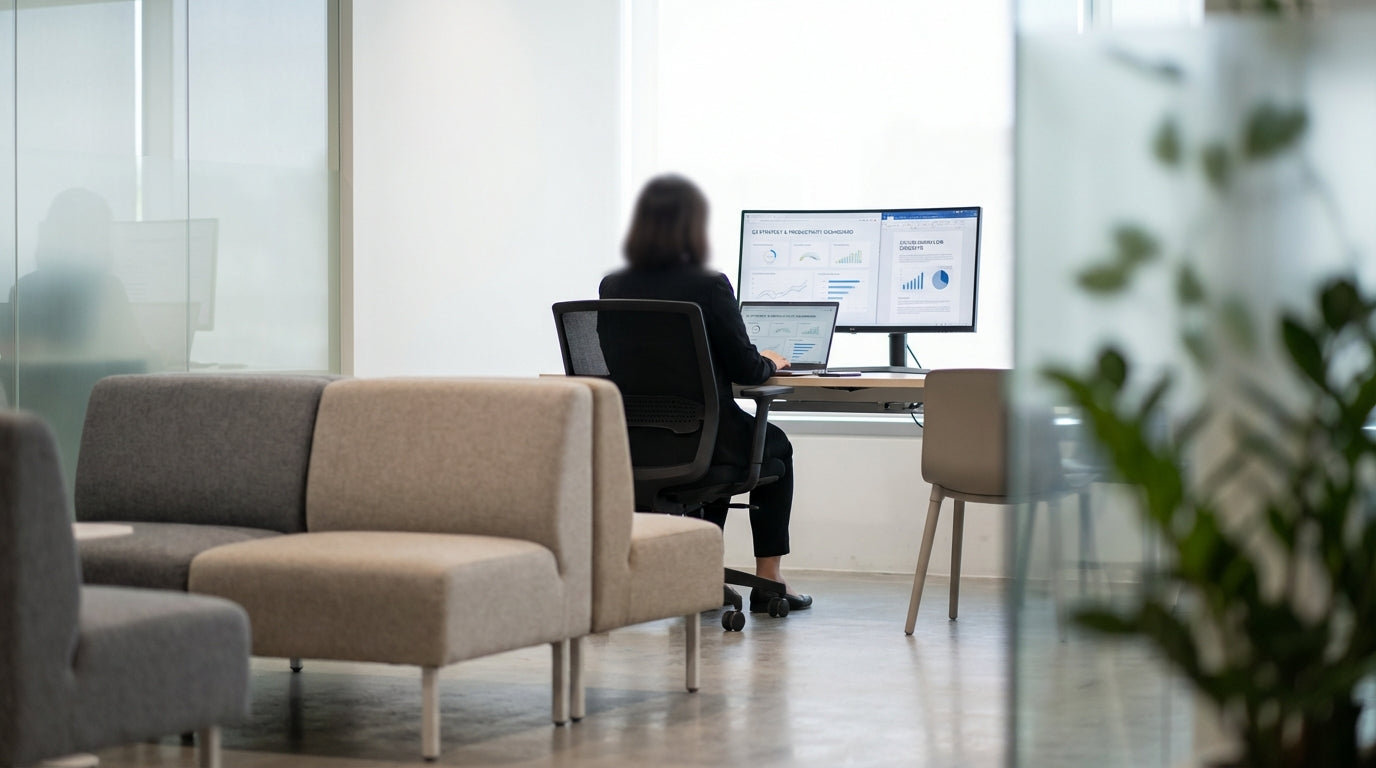
Why Compact Lounges Belong in Modern Office Breakrooms
Smaller lounges have become a staple in Australian office breakrooms. They offer a cosy, flexible seating option without swallowing precious floor space.
As hybrid work and hot-desking grow, breakrooms are doing double duty as informal meeting zones, quiet recharge spaces, and social hubs. A well-chosen two-seat lounge supports all of these uses by giving staff a comfortable place to sit without committing to a large, bulky sofa. When paired with Single Lounges or compact Armchairs, you can quickly adapt the layout for small catch-ups or solo downtime.
Comfort is more than a “nice-to-have” in staff areas; it directly affects wellbeing and productivity. Supportive cushioning and ergonomic backrests help employees properly relax during breaks, so they return to their desks refreshed instead of stiff or fatigued. Choosing pieces that balance softness with structure is key to avoiding slouching and poor posture.
Breakrooms also contribute to your overall workplace brand. Sleek, well-coordinated loungers in durable fabrics or premium finishes, such as those in dedicated Leather Lounges ranges, can instantly lift the look of a shared space. The right seating transforms the area from a basic kitchenette into an inviting, professional retreat that clients and visitors will notice.
Key Features to Look For in a Two-Seat Office Lounge
Choosing the right lounge involves more than picking a colour. Focus on build quality, comfort, and suitability for commercial use.
Start with the frame. Solid timber or steel frames will generally perform better and last longer in busy breakrooms than cheaper, lightweight constructions. High-density foam (which bounces back rather than sagging) and commercial-grade upholstery fabrics are important in high-traffic offices where spills and heavy use are common. When browsing ranges like dedicated 2 Seater Lounges, look for specifications on foam density and fabric abrasion ratings to gauge durability.
Comfort should be tested in three areas: seat depth, back support, and arm height. Deep seats can feel luxurious, but they may not suit all staff heights, especially in workplaces with a very diverse team. A mid-depth seat with a supportive back is usually a safe choice, and pairing the lounge with Ottomans provides flexible leg support without locking you into a reclined position. Arm height also matters for ease of getting up and down, particularly for older staff members.
For many Australian businesses, easy cleaning is essential. Darker fabrics, stain-resistant treatments, and removable cushions can drastically reduce maintenance headaches in shared spaces. If your breakroom opens onto a balcony or shared outdoor area, consider how your indoor lounge will visually connect with your Outdoor Lounges to maintain a consistent look. Matching or complementary finishes help spaces flow together and feel more intentional.
Finally, check weight capacity and product warranties. Commercial seating typically lists recommended usage and load limits, which is vital for compliance and safety. Longer warranties are often a sign that the manufacturer is confident in the product’s performance, especially when compared with more decorative pieces that are better suited to light-use Reception Seating than hardworking breakrooms.
Designing a Functional Breakroom Layout Around Two-Seat Lounges
A good layout helps staff move freely while still feeling relaxed. Think about zones, traffic flow, and line of sight.
Begin by identifying the main pathways from the kitchen area to exits, amenities, and work zones. Keep these routes clear by pushing lounges slightly back from thoroughfares, so people don’t feel like they are sitting in a corridor. A two-seat lounge placed against a wall or backed by storage can create a defined chill-out zone, while additional pieces from Breakout Seating ranges help you divide the room into quiet and social areas without building partitions.
If your breakroom has enough space, consider creating several mini-settings rather than one large seating cluster. For example, a two-seater combined with a couple of Single Lounges can form a casual meeting nook, while another two-seater and some Ottomans provide a more relaxed area for scrolling or reading. Using a mixture from 3 Seater Lounges and Armchairs gives staff options depending on whether they want to chat with colleagues or enjoy a quiet moment alone.
Acoustics are also critical. Upholstered lounges absorb sound, helping to reduce noise from coffee machines, microwaves, and conversations. Positioning a two-seater with a high back near hard surfaces like glass or tiles can soften echo and make the space feel calmer, especially in open-plan offices. When paired with modular elements from Modular Lounges, you can create semi-enclosed corners that naturally dampen sound and make it easier for staff to mentally switch off.
Lighting and view lines influence how welcoming the area feels. Try to position lounges where staff can glance outside or away from desks, which helps create a psychological break from tasks. At the same time, avoid placing seating where people feel exposed to foot traffic or directly overlooked by meeting rooms; subtle positioning tweaks can massively improve how comfortable staff feel using the breakroom during busy times.
Matching Seating Styles to Your Brand and Culture
The look and feel of your lounges should echo your workplace identity. Style, colour, and materials all contribute to the story your office tells.
Corporate and professional environments often lean towards clean lines, neutral fabrics, and classic shapes. A compact two-seater in a charcoal or navy upholstery, coordinated with structured pieces from Reception Seating, can create a unified aesthetic from entry to breakroom. If you already use premium finishes in client areas, consider echoing those materials here with options from Leather Lounges to maintain a consistent, high-end look.
Creative or tech-focused workplaces may benefit from bolder colours, mixed textures, and more relaxed silhouettes. Combining a simple two-seater with vibrant Ottomans or quirky Armchairs can express a playful culture without sacrificing comfort. Pairing these with reconfigurable pieces from Modular Lounges allows you to update the layout for hack days, celebrations, or all-hands meetings without a full redesign.
Colour psychology also plays a role in how staff experience their break. Soft greens and blues are often associated with calm and restoration, ideal for recharge spaces, while warm tones like mustard or terracotta can encourage casual conversation. If your office opens to a terrace or garden, visually linking indoor settings with Outdoor Lounges through similar palettes or finishes creates a seamless transition and makes the whole area feel larger and more cohesive.
Finally, think about inclusivity. Not everyone feels comfortable on very low, deep sofas. Offering a mix of firm, upright sofas, supportive Single Lounges, and adaptable 3 Seater Lounges ensures the space works for different body types, ages, and access needs. A consciously curated mix will demonstrate care for staff wellbeing as well as design.
Making the Most of Your Investment Over Time
Well-chosen lounges should serve your team for years. A bit of planning and care helps them stay comfortable and presentable.
Set a simple maintenance routine from day one. Regular vacuuming, spot-cleaning spills quickly, and rotating cushions (where possible) will keep fabric looking even and fresh. In busy offices, it can also help to assign responsibility for checking shared furniture so minor issues, like a wobbly leg or stitching wear, are logged and repaired before they become serious problems.
Plan for growth and change in your workplace. Choosing complementary pieces from ranges like 2 Seater Lounges, Breakout Seating, and Modular Lounges makes it easier to expand your setup without clashing styles later. As headcount increases or work patterns evolve, you can add Single Lounges, extra 3 Seater Lounges, or more Ottomans to support new ways staff use the space, rather than replacing everything.
It’s also worth reviewing how your breakroom performs at least once a year. Ask staff whether seating feels comfortable, if there are enough spots at peak times, and whether the layout supports both quiet breaks and social interaction. Insights from these check-ins can guide subtle changes—such as swapping in a firmer lounge, adding a pair of Armchairs, or reconfiguring zones—so your investment continues to deliver value, not just on day one but over the long term.


