

Why Stackable School Seating Matters for Modern Classrooms
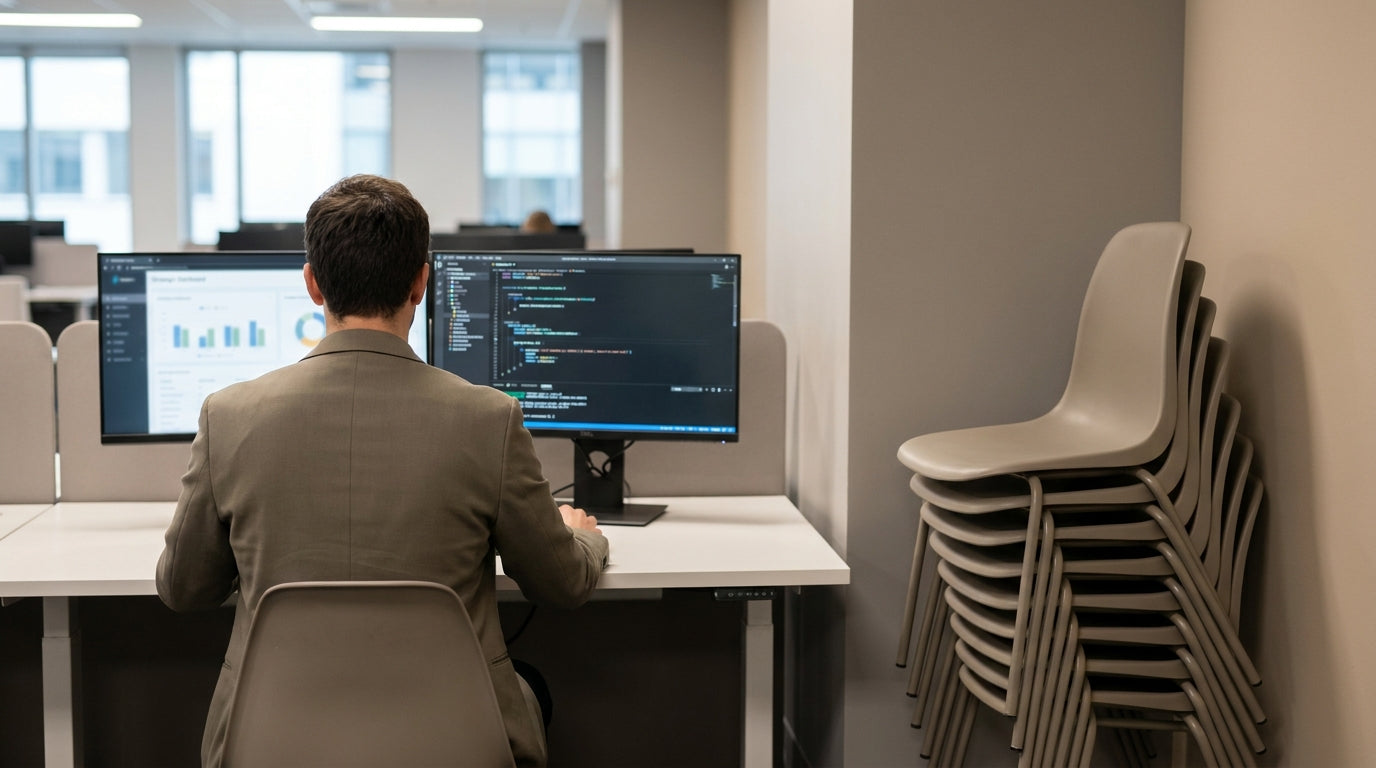
Australian schools are under constant pressure to do more with less space. Stackable student seating that can be safely stored 10 chairs high helps classrooms stay flexible, tidy, and ready for different teaching styles.
In a typical day, a learning space might host morning group work, a STEM activity after recess, and a community meeting in the evening. Chairs that stack efficiently allow staff to reconfigure rooms quickly without needing bulky trolleys or extra storage rooms. This flexibility is especially useful in shared spaces like halls, libraries, and multipurpose rooms.
By choosing purpose-built school chairs designed for stacking, you reduce clutter and trip hazards, making it easier to keep classrooms safe and compliant. A cleaner floor area also improves accessibility for mobility aids and allows cleaners to work faster and more thoroughly each night.
Well-designed classroom seating also supports student concentration. When furniture moves smoothly and stacks neatly, teachers spend less time managing the room and more time teaching. Over a year, that time saving adds up to better learning outcomes and a calmer environment for students.
Key Features to Look For in High-Stack Classroom Chairs
When evaluating chairs that can be stacked 10 high, build quality and safety should come first. Beyond that, comfort and practicality matter just as much for everyday use.
Look for strong steel or reinforced frames that can handle regular stacking without bending. Moulded polypropylene seats and backs are popular in schools because they are light, easy to clean, and resistant to scratches. Chairs should be tested to relevant commercial or education standards, which confirms they can cope with constant movement, cleaning products, and varied student weights.
Comfort is more than just soft plastic. Seat ergonomics — the way the chair supports posture — directly affects how long students can sit and focus. Contoured backs, waterfall-front seats (a gentle downward curve at the front to relieve leg pressure), and appropriate seat heights for different age groups all help maintain healthy posture during lessons.
Practical classroom features include linking clips for exam or lecture setups, non-marking feet to protect floors, and options such as tablet arm chairs for spaces used as training or exam rooms. If you regularly reconfigure rooms, consider pairing these with dedicated stacking chairs trolleys to move multiple chairs safely in one trip.
Space-Saving Benefits Across the Whole Campus
High-stack seating is not just useful in classrooms. The same chairs can work across libraries, labs, breakout zones and assembly halls, streamlining your furniture fleet.
In shared learning areas, being able to stack 10 high means you can clear a space quickly for drama, group projects, robotics, or parent information nights. Libraries, in particular, benefit from compact stacks that free up floor area for shelving, soft seating, and technology hubs. Over time, schools often find that a consistent chair type across different spaces reduces storage headaches and simplifies maintenance and replacement ordering.
Multipurpose halls that double as exam centres, community venues, and performance spaces are ideal candidates for stackable chair solutions. You can complement classroom models with heavier-duty event & conference chairs for assemblies or performances, while still keeping storage demands low. This versatility ensures your investment works hard during school hours and after-hours hire.
Front-of-house spaces also benefit. Reception, student services, and waiting zones can be fitted out with coordinated visitor chairs that stack away for cleaning or reconfiguration. By choosing compatible finishes and colours, you create a unified look from classroom to office while preserving the ability to reclaim space whenever needed.
Choosing the Right Seating for Teaching, Training and Meetings
Different activities place different demands on school seating. The right mix of stackable options can support teaching, training, meetings, and hospitality events with minimal duplication.
For computer labs, flexible learning centres, and staff development rooms, consider specialised training chairs that still stack efficiently but offer extras like writing tablets, castors, or mesh backs for comfort during longer sessions. These models let you run PD days, exams, and workshops in the same room, then clear it quickly when needed.
Administrative and leadership teams often need more supportive seating for longer meetings. In these spaces, you can blend light, stackable meeting chairs with fixed options around boardroom tables. When additional attendees arrive, extra chairs can be brought in from nearby rooms and stacked neatly once the session finishes.
If your school provides on-site catering or regularly hosts community functions, matching your classroom seating with durable hospitality chairs can create a consistent aesthetic across canteens, cafés, and function spaces. Many hospitality models are designed to stack high, handle spills, and withstand outdoor or semi-outdoor conditions, making them ideal for busy school environments.
Where possible, selecting Australian made chairs supports local manufacturing and often provides faster lead times, spare parts availability, and designs suited to Australian education standards. Local production also makes it easier to match existing stock when you need to expand seating in future years.
Practical Tips for Buying and Maintaining Stackable School Seating
A considered approach to purchasing and maintenance will help your chairs last longer and perform better. Planning ahead also reduces long-term costs.
Start by auditing your existing school chairs and identifying where standardising models could simplify storage and transport. Factor in growth over the next five years, not just current enrolments. Selecting one or two core models from a trusted stacking chairs range makes it easier to share furniture between buildings as timetables change.
Maintenance is mostly about prevention. Train staff and students on correct stacking heights and methods, and avoid dragging chairs across floors. Regularly check feet, glides, and fixings; replacing a worn glide early is cheaper than repairing a damaged floor or frame. Simple cleaning routines using mild detergents will protect finishes and keep furniture presentable for longer.
Finally, consider how your stackable chairs integrate with specialised areas. For example, pairing core seating with targeted items like visitor chairs in reception, meeting chairs in offices, and training chairs in PD rooms gives every space the right tool for the job while maintaining a common look. With the right planning, your investment in stackable school seating will deliver flexibility, safety, and value well into the future.


