

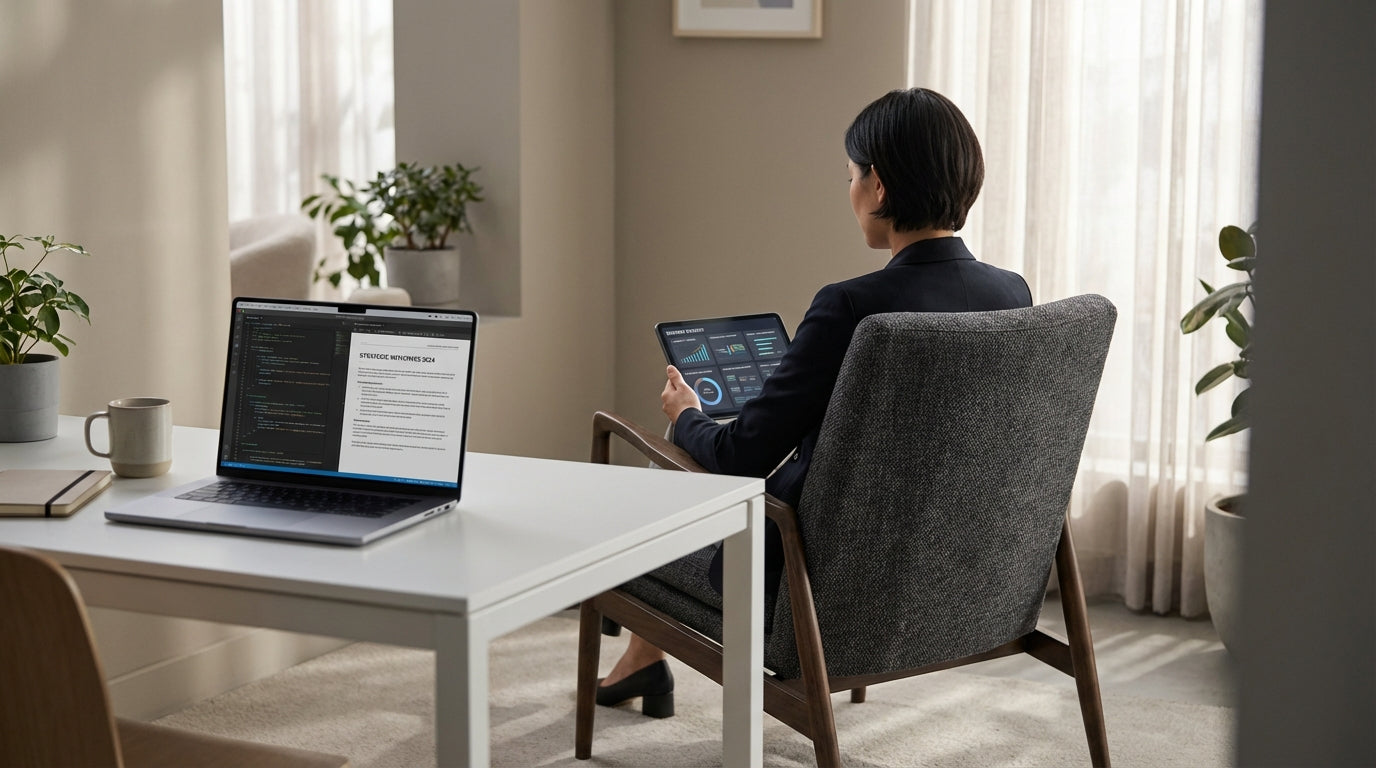
Why a Quality Single Lounge Matters in an Executive Office
A well-chosen executive lounge chair does more than look good. It shapes first impressions, supports long days, and signals the standard of your business.
Senior leaders often spend long hours in meetings, strategy sessions and one‑to‑one conversations. A dedicated single seat in the office or private meeting space creates a more relaxed, conversational environment than a formal task chair. Unlike a full sofa, a standalone piece lets you control layout and traffic flow without overcrowding the room.
Purpose-built Single Lounges for corporate spaces are designed with higher-density foam, commercial fabrics and frames that can handle daily use. This is different from residential pieces, which may feel soft at first but can sag or look tired quickly under office conditions. Investing in commercial-grade seating helps maintain a professional look and reduces replacement costs over time.
For executive suites that double as small meeting rooms, consider how your lounge interacts with existing Visitor Chairs and coffee tables. Matching the visual language of your other seating – clean lines, similar leg finishes or a consistent fabric palette – makes the space feel intentional rather than thrown together.
Choosing the Right Style: From Leather to Fabric and Beyond
The right style depends on how formal your office is and how you actually work. Think about whether you want a classic executive feel or a softer, more relaxed look.
For a traditional boardroom aesthetic, high‑back Leather Lounges are a strong option. Genuine leather or quality leather-look upholstery adds a sense of gravitas and is easy to wipe clean, which is useful if you frequently host clients with coffee in hand. Pairing a compact leather lounge with matching Leather Chairs can create a cohesive executive zone within a larger office.
If your brand leans contemporary or creative, fabric Armchairs give you more flexibility with colour and texture. Chunkier silhouettes with wider arms feel inviting and work well in informal strategy corners or project spaces. Sleeker armchairs with timber or metal legs, on the other hand, suit minimalist executive offices where visual clutter is kept to a minimum.
Compact Tub Chairs are ideal when space is tight but you still want a comfortable single seat for quick discussions. Their wraparound design can make smaller offices feel cosy rather than cramped. In larger suites, mixing one statement lounge with two understated tub chairs or Visitor Chairs gives you options for both private reflection and small meetings without overcrowding the floor plan.
Comfort, Ergonomics and Support for Long Workdays
Executive seating needs to balance comfort with posture support. Soft doesn’t have to mean slouchy.
Look for lounges with medium‑firm cushioning that keeps you upright enough for conversation but relaxed enough for informal catch‑ups. Deep, low seats may look luxurious, but if your knees are higher than your hips when you sit, getting up gracefully in front of clients becomes harder. A seat height similar to your task chair usually works best in professional settings.
High or winged backs on armchairs can provide subtle acoustic privacy and neck support during longer discussions or phone calls. Models in the Breakout Seating category often blend lounge-like comfort with the structure needed for focused work, making them suitable for executive offices that double as quiet zones. Ensure armrests are at a practical height so you can rest your forearms without hunching your shoulders.
If you host frequent visitor meetings in your office, align the comfort level of your own lounge with the Reception Seating and guest chairs used elsewhere in the workplace. When your seat is far more comfortable than everyone else’s, conversations can feel unbalanced. Matching support and cushioning across executive and guest seating helps create a more equitable, collaborative dynamic.
Materials, Durability and Australian-Made Options
Executive furniture needs to look sharp for years, not months. Material choice is critical for durability and maintenance.
Commercial-grade fabrics with high rub counts (a measure of abrasion resistance) are designed for frequent use and regular cleaning. For busy city offices exposed to dust and traffic grime, darker neutrals and textured weaves tend to hide marks better than very light, flat fabrics. If you prefer leather, focus on finishes designed for commercial spaces, as these are more resistant to scratching and fading than softer residential leathers.
Supporting local manufacturing can be a smart strategic choice as well as an ethical one. Australian Made Lounges often come with shorter lead times, easier access to spare parts and clearer warranty support. They’re also typically built to comply with local fire and safety standards, which is important in multi‑storey office buildings and corporate fit‑outs.
Think about how your lounge will age next to other items such as Reception Seating, Breakout Seating and any existing Armchairs in adjoining spaces. Using a consistent upholstery family or repeating a key accent colour helps your executive office feel connected to the rest of the workplace, while still allowing for premium finishes or stitching details that distinguish leadership areas.
Layout Tips: Integrating Executive Lounges into Your Workplace
Placement is just as important as product choice. A good layout makes your lounge work harder for you.
In a private office, position your single lounge slightly away from the main desk to signal a shift from “work mode” to “conversation mode”. Pair it with one or two Visitor Chairs and a small side table to create an informal meeting zone that doesn’t feel like a full boardroom. This setup is ideal for check‑ins, performance discussions and confidential chats.
If you have a larger executive suite that leads onto a shared area, echo your lounge selection with compatible pieces from Breakout Seating ranges to create a seamless transition between private and semi‑public spaces. A matching or complementary Single Lounge in the adjoining area can double as overflow seating when you host larger groups, while still feeling like part of the same design language.
For offices located near the entrance, align your executive lounge style with the main Reception Seating. This consistent look reinforces your brand from the moment visitors step in. Where space allows, adding a couple of Tub Chairs or compact Armchairs nearby ensures you’re prepared for impromptu meetings without needing to relocate to a formal meeting room.


