

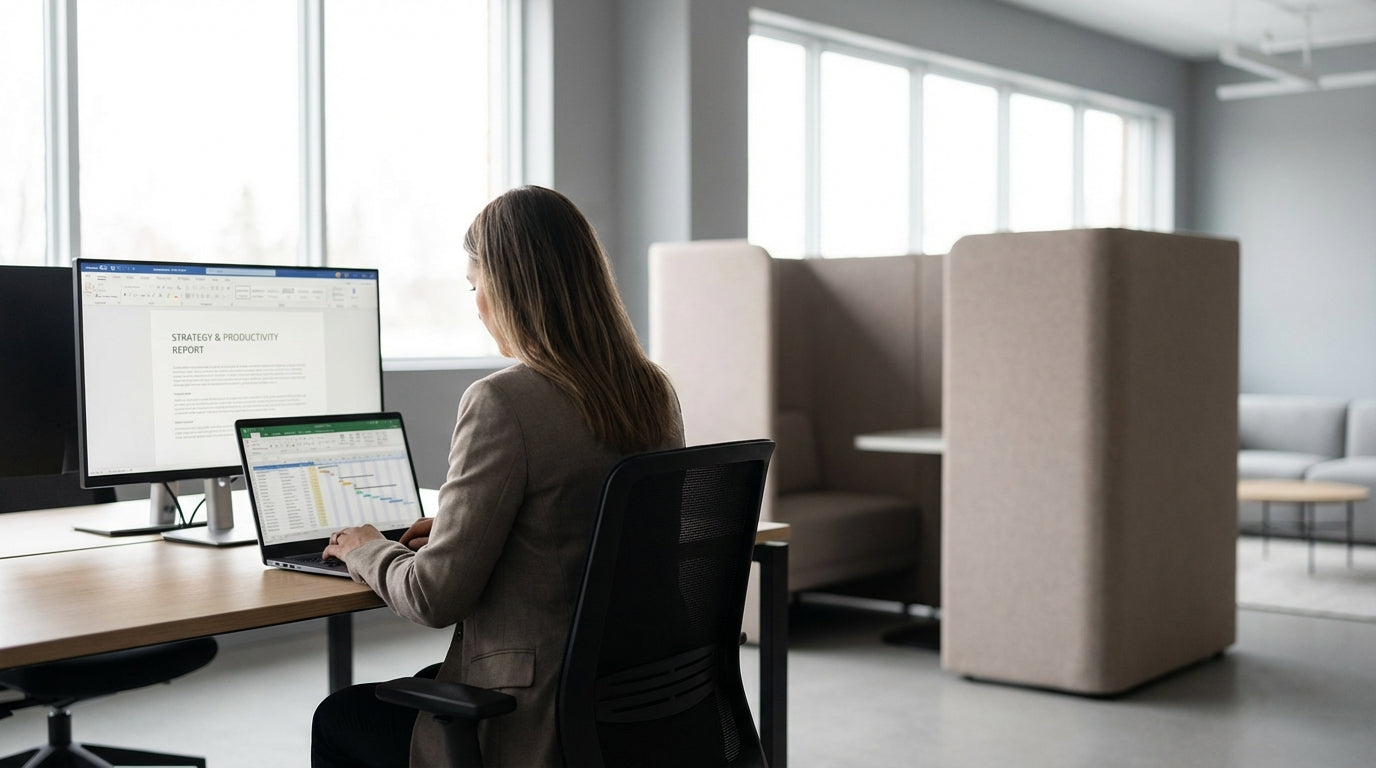
Understanding Acoustic Pods for Modern Workplaces
Quiet, private spaces are now essential in open-plan offices, especially for phone and video calls. Acoustic pods help cut down background noise and give staff somewhere focused to talk.
In busy Australian workplaces, ringing phones, conversations and office equipment can all compete for attention. Well-designed acoustic pods use sound-absorbing materials to reduce echo and limit sound transfer in and out of the pod. This makes conversations clearer for both the caller and the person on the other end of the line.
These pods sit alongside other acoustic solutions such as acoustic ceiling traps, acoustic wall art and acoustic wall tiles, which all work together to manage sound across the whole floor. Where partitions, screens and ceiling panels treat the broader environment, pods create a dedicated, self-contained zone for calls that need privacy or extra concentration.
Unlike traditional meeting rooms, pods are usually modular and can be moved or reconfigured when your lease changes or your team grows. Many workplaces pair them with flexible office pods and movable acoustic solutions to keep their fit-out adaptable over time. Understanding this flexibility helps you choose options that will still make sense as your ways of working evolve.
Key Acoustic Features That Actually Matter
Not all quiet booths are created equal. Focus on the acoustic details that genuinely improve call quality, not just the ones that look good on paper.
Sound insulation is usually rated in decibels (dB), which measures how much noise the pod blocks. For phone calls, you want enough isolation that voices inside the pod become a muffled background sound outside, rather than word-for-word intelligible. Look for models designed to reduce both airborne noise (like talking) and structure-borne noise (vibration from floors and walls), and pay attention to door seals and glazing, which are common weak points.
Inside the pod, sound absorption is just as important. Hard surfaces create echo, which can make voices sound harsh or “boomy” on a call. High-quality pods use layered acoustic panels, similar in principle to materials used in desk mounted partitions and floor partitions, to dampen reflections so the caller hears a clear, natural voice. A well-treated interior also helps people feel more relaxed, which can improve the tone of conversations.
Finally, ventilation and fans need to be quiet. A pod might look impressive but be let down by a noisy fan that gets picked up by your microphone. Ask for noise data on the ventilation system, and consider how pods will sit with existing acoustic elements such as mobile partitions and ceiling treatments, so the overall soundscape stays calm, not claustrophobic.
Size, Layout and Comfort for Everyday Calls
Comfort is vital if people are going to use pods regularly. The best design is one that staff can slip into quickly and feel at ease in for the length of a typical call.
Start by assessing what kind of calls your team makes most often. Short, ad hoc phone calls may suit compact single-user pods with a small perch or stool, while longer video conferences might benefit from slightly larger footprints, more legroom and a small worksurface for a laptop. Where regular team catch-ups are required, consider pairing pods with nearby meeting chairs and small collaboration zones to prevent pods from being used as makeshift meeting rooms.
Ergonomics matter just as much as acoustics. A cramped pod with no proper support will quickly be avoided by staff. If the pod includes seating, choose models compatible with quality task chairs or built-in seats that support good posture. Benchtop height, monitor position and cable routing should all allow a natural eye line for video calls, helping people look professional without strain.
Lighting also influences comfort and call quality. Soft, even lighting avoids harsh shadows on video while preventing eye fatigue. Pods often work best positioned near, but not directly under, general office lighting and can be complemented by surrounding solutions such as acoustic wall art or floor partitions to visually define quiet zones and guide staff towards them.
Integrating Pods into Your Office Layout
Where you place pods has a huge impact on how well they’re used. Thoughtful positioning supports both privacy and workflow.
Avoid putting call pods directly beside high-traffic areas like reception or kitchen doors, where queues or chatter can build up outside. Instead, cluster pods around focus zones or near banks of desk mounted partitions, so they feel like a natural extension of the quiet work area. Pods can also act as acoustic buffers between louder areas and quieter workstations when combined with mobile partitions or permanent floor partitions.
Consider sightlines and wayfinding. If staff can’t easily see free pods, they’re less likely to use them. Grouping a few units together near existing office pods or informal meeting spaces makes them more visible and encourages a culture of stepping away from the desk for calls. Clear glass sections can keep the space feeling open while still managing sound.
Pods should also complement your wider acoustic strategy. If you already rely on acoustic ceiling traps and acoustic wall tiles to control reverberation, pods can be used to target the noisiest behaviours: video meetings, sales calls and confidential discussions. This layered approach avoids over-treating any single part of the office and gives staff clear choices about where to work, depending on how noisy their task will be.
Future-Proofing and Budget Considerations
A pod is a long-term investment, so it needs to stand up to daily use and future changes to your workplace. Balance acoustic performance with practicality and cost.
Look for durable finishes, replaceable components and warranties that reflect heavy commercial use. Removable panels and modular construction let you reconfigure or relocate pods if your floorplan changes, something that’s particularly valuable in flexible leases. Selecting models that sit comfortably alongside existing office pods, screens and furnishings will also help you scale up without a full redesign.
When planning your budget, include the broader acoustic environment, not just the pods themselves. Often, combining a modest number of phone pods with targeted treatments such as acoustic wall art, acoustic ceiling traps and well-placed floor partitions delivers better overall value than overspending on pods alone. This layered strategy reduces general noise so pods can focus on calls that truly need isolation.
Finally, factor in the cost of underutilised space. If staff avoid existing meeting rooms because they’re hard to book or too large for one-on-one calls, smaller call pods may unlock more effective use of your floorplate. By combining thoughtfully specified acoustic pods with the right chairs, partitions and wall treatments, you can support quiet, professional calls without sacrificing the openness and energy of your office.


