

Creating a Welcoming First Impression
Insurance is built on trust, and your client meeting areas should reflect that from the moment people walk in. A well-planned space makes visitors feel relaxed, informed, and confident in your advice.
The reception zone is usually the first touchpoint, so it should balance professionalism with comfort. Consider pairing modular reception seating with low-profile coffee tables to create a calm and organised waiting area. This gives clients a clear place to sit, fill out paperwork, or review policy information without feeling cramped or exposed.
Comfortable visitor chairs are especially important when clients may be discussing stressful topics like claims, life cover, or business interruption. Soft but supportive seating and stable tables help reduce fidgeting and fatigue, so people can focus on the conversation. Make sure pathways are clear and seating is arranged so staff can greet visitors quickly and guide them to the right room.
In smaller suburban practices, a few well-chosen pieces can still create a premium feel. A couple of single lounges near the window, combined with a compact round table, can turn an awkward corner into a comfortable spot for short discussions or quick form checks. Natural light, neutral colours and tidy surfaces reinforce a sense of order and reliability.
Planning Layouts for Confidential Conversations
Privacy is essential when clients are sharing financial details and personal stories. The right layout helps conversations stay confidential without feeling closed-in or intimidating.
Start by separating high-traffic areas from your main consultation spaces. Using dedicated meeting rooms with solid doors and acoustic treatments will reduce noise transfer from reception and open-plan staff zones. In these rooms, positioning meeting tables away from glass or corridors makes it harder for passers-by to overhear or glance at sensitive documents and screens.
For more informal advice sessions, a mix of single lounges or 2 seater lounges with low coffee tables can feel less clinical than a traditional boardroom set-up. This style works well when explaining options or walking families through cover levels, as the relaxed seating reduces tension and creates a more conversational tone. Just ensure there is enough table space for brochures, devices, and documents.
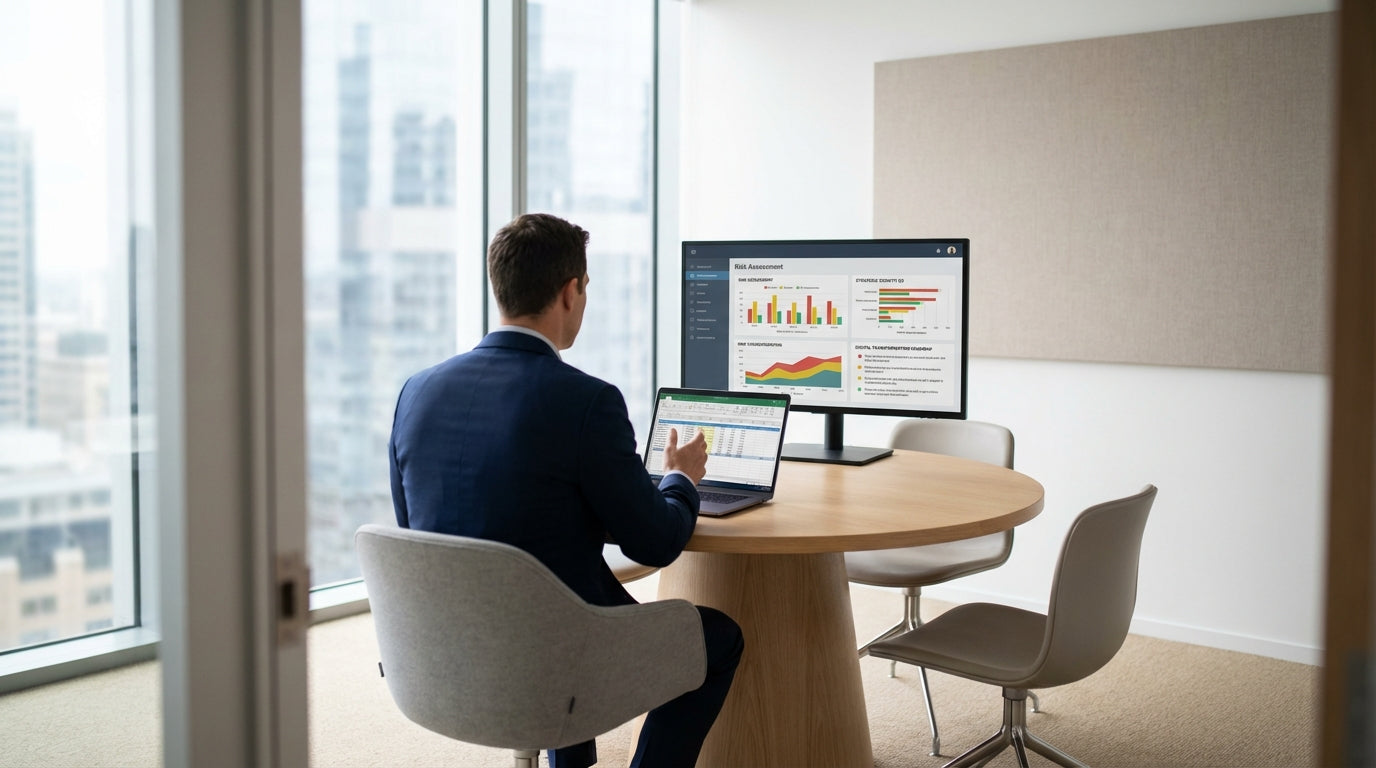
Round furniture is especially useful where you want to signal equality between adviser and client. A compact round table paired with ergonomic meeting chairs lets everyone sit at the same distance, avoiding the “interview” feeling that can come with a big rectangular table. This small design decision can make it easier for people to ask questions, admit confusion, and be more open about their circumstances.
Where open-plan layouts are unavoidable, consider semi-private zones created with furniture placement. For example, back-to-back 3 seater lounges can visually separate a client corner from the rest of the floor, especially when combined with taller storage units or plants as soft barriers. The goal is to signal that this is a space for focused, respectful conversations, even if full walls aren’t possible.
Choosing Seating That Supports Longer Meetings
Insurance discussions often run longer than a quick appointment. Quality seating helps clients stay comfortable and attentive through detailed policy explanations.
In formal consultation rooms, prioritise supportive, adjustable meeting chairs with good lumbar support. When people are leaning over documents or screens for extended periods, poor seating can lead to discomfort and distraction. Chairs with subtle contouring and breathable fabrics are ideal for Australian conditions, especially in warmer climates where heavy upholstery can feel stuffy.
Front-of-house areas benefit from flexible options such as visitor chairs that are easy to move and reconfigure. Lightweight frames allow staff to quickly adjust layouts for a family consultation, a single business owner, or a couple reviewing retirement cover. Matching these with stackable or modular office & meeting tables helps maintain a consistent look across different room sizes and functions.
For claims meetings or more sensitive discussions, softer seating like 2 seater lounges can signal empathy and care. Pair these with low coffee tables so clients can still access tissues, water, or paperwork without cluttering the space. Where room allows, add a couple of single lounges to accommodate support people or interpreters.
Larger offices that host group information sessions or broker briefings can mix lounge-style seating with rows of meeting chairs. This lets you shift easily between presentation mode and small breakout conversations. When selecting fabrics and finishes, look for durable, easy-clean materials that will stand up to daily use and still present well to new and repeat clients.
Tables and Surfaces That Support Clear Communication
Tables do more than hold documents; they shape how information is shared. The right surfaces make it easier for everyone to see, sign, and understand what’s in front of them.
Rectangular meeting tables are ideal for structured consultations where you need space for laptops, forms, and printed policy documents. Choose a size that lets both adviser and client spread out without feeling overwhelmed by a huge expanse of surface. Cable management features are especially useful when using multiple devices, ensuring cords don’t tangle or clutter the worktop during video calls or onscreen presentations.
In smaller rooms, a round table can help you avoid tight corners and awkward chair positioning. These tables naturally support more collaborative discussions, as everyone faces each other evenly. When paired with adjustable meeting chairs, you can fine-tune the set-up for different client heights and needs, including older clients who may prefer a slightly higher sitting position.
Reception and breakout zones benefit from a mix of surface heights. Lower coffee tables go well with reception seating and single lounges, supporting magazines, brochures, or tablets. For quick stand-up chats or form completion, consider higher office & meeting tables near the reception desk so clients don’t have to sit down for a simple signature or ID check.
Where your business frequently hosts family groups or small business teams, combine a main table with side surfaces. For example, a central meeting table for detailed discussions, plus a nearby round table where children can sit and draw, or where additional documents can be laid out. This layered approach keeps the main surface clear and allows you to stay organised when handling complex cases.
Designing Flexible Spaces for Different Client Needs
Insurance offices often serve many client types, from families to corporate clients. Flexible furniture choices help you adapt rooms quickly without sacrificing comfort or style.
A good starting point is to invest in versatile office & meeting tables and a consistent range of meeting chairs. This makes it easy to reconfigure spaces for one-on-one consultations, group reviews, or staff training sessions. Mix these with mobile round tables that can act as side tables, document stations, or extra seating spots when needed.
Client lounges are another opportunity to build flexibility into your fit-out. Combining single lounges, 2 seater lounges, and 3 seater lounges allows you to switch between intimate arrangements and larger family groupings. With the right layout, the same room can host a private claims discussion in the morning and a small business renewal review later that day, simply by moving a few pieces and adjusting the position of coffee tables.
In high-traffic branches, resilient reception seating and stackable visitor chairs offer practical advantages. They can be brought in to handle peak periods, such as renewal seasons or after severe weather events when claims spike. When business is quieter, extra chairs can be stored away to keep the space feeling open and uncluttered.
Finally, think beyond today’s needs and consider future changes in how you deliver advice, including more video meetings and hybrid appointments. Tables with integrated power, comfortable meeting chairs suitable for both in-person and online sessions, and moveable office & meeting tables give you the flexibility to evolve. A well-designed client area not only supports your current service model but also helps your insurance office adapt as technology and customer expectations continue to shift.


