

Understanding Different Whiteboard Surfaces
Choosing the right surface is the first step to getting real value from a whiteboard. Different materials suit different environments, levels of use, and cleaning habits.
Entry-level boards usually have a painted steel or laminate surface. These are fine for light, occasional use, but they can stain if ink is left on for too long or cleaned with harsh products. For busy classrooms, training rooms, or project spaces, upgrading to durable Porcelain Whiteboards is often worth the investment. Porcelain (also called ceramic) is baked onto steel, giving a hard, glassy surface that resists ghosting and can handle frequent writing and erasing.
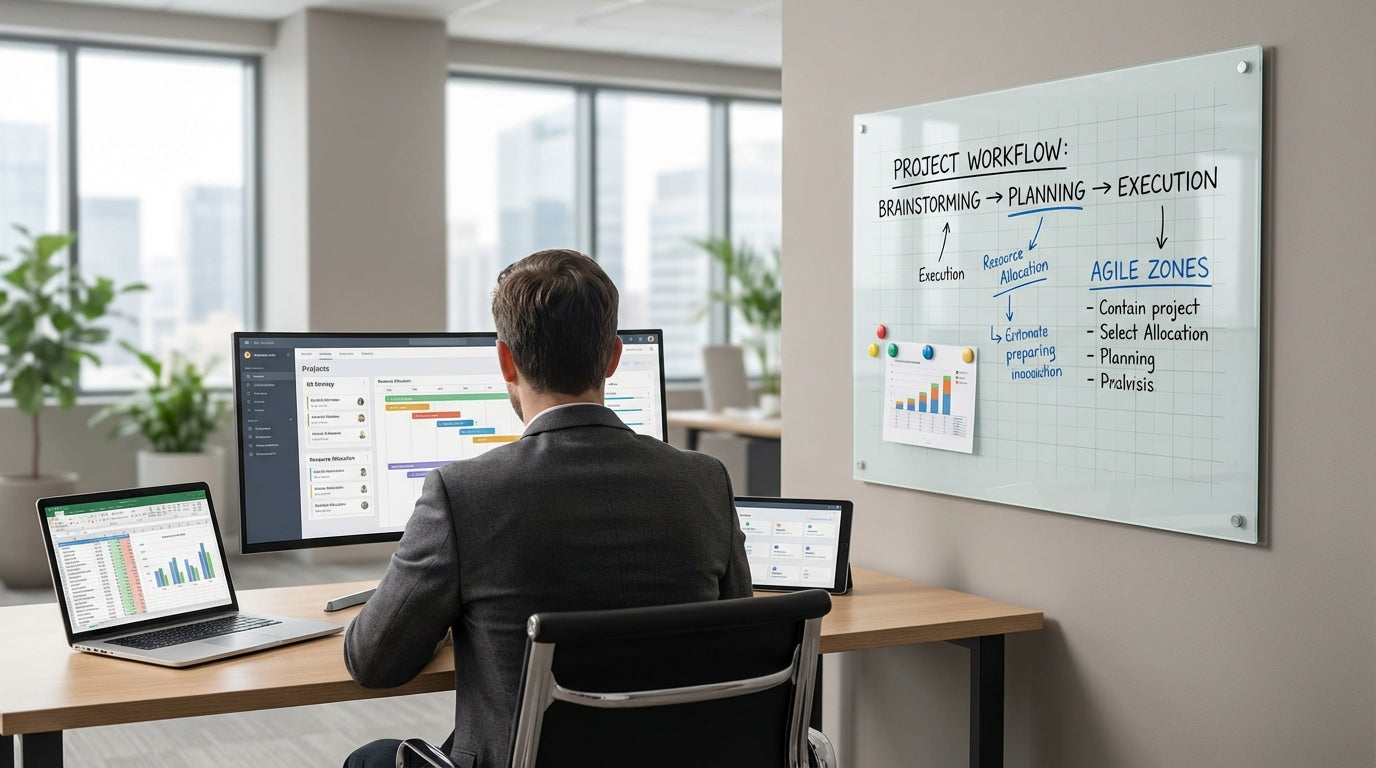
If you want a more premium, modern look, consider Glass Whiteboards. Toughened glass is non-porous, so ink wipes off easily and the board stays bright over time. They’re popular for boardrooms, reception areas, and design studios where appearance matters as much as function. Just be aware that glass may reflect more light, so placement relative to windows and overhead fixtures is important.
Another key decision is whether you need a magnetic surface. Most steel-based boards, especially Magnetic Whiteboards, allow you to use magnets to hold up notes, photos, and printed documents. This effectively turns your whiteboard into a combined writing and display space, which is particularly useful for agile project walls, safety boards, or visual management in warehouses and workshops.
Matching Whiteboards to Your Space and Mobility Needs
The way your team works – and how often spaces change – should strongly influence the style of whiteboard you choose. Think about whether your board needs to stay fixed or move around.
Wall-mounted boards are ideal when you have a regular, dedicated meeting room, office, or classroom. They maximise floor space and create a clear focal point. In multi-use areas or open-plan offices, however, Mobile Whiteboards offer more flexibility. These boards sit on castors, so you can roll them between spaces, cluster them for workshops, or use them as temporary partitions to create breakout zones.
Many mobile units are double-sided, effectively giving you two boards in one footprint. One side might be plain while the other is gridded, or you might pair a standard surface with a more specialised option from the Planner & Specialty Whiteboards range. When choosing a mobile frame, check the stability, lockable wheels, and overall height so it suits both standing presentations and seated discussions.
For spaces that double as presentation rooms, it’s worth considering how your whiteboard will work alongside screens and projectors. Matte-finish surfaces are better for reducing glare, particularly if you also use Projection Boards & Presentation Accessories. In smaller offices and classrooms, carefully placing a board so it can be seen from most angles and distances will reduce eye strain and improve engagement.
Planning, Scheduling, and Workflow Boards
When your goal is coordination rather than just note-taking, a standard blank board may not be enough. Pre-ruled surfaces can turn your wall into a visual planning hub.
Purpose-designed Planner & Specialty Whiteboards come with printed layouts for calendars, staff rosters, production schedules, or project timelines. These templates save time, keep information consistent, and make it easier for teams to read at a glance. Because most are also magnetic, you can pair dry-erase markers with coloured magnets or labels for quick updates without constantly rewriting headings.
In healthcare, education, and manufacturing, visual management is critical. A planner board by the nurses’ station, a class timetable in a staff room, or a production status board on the factory floor can all improve communication instantly. Adding complementary Pinboards & Corkboards nearby lets you display more detailed documents, checklists, and notices without overloading the whiteboard itself.
To get the most out of planning boards, invest in the right Whiteboard Accessories. Magnetic labels, colourful markers, erasers, and cleaning sprays keep information clear and legible. Accessories like magnetic document holders or clip-on trays help keep pens and magnets organised so the board is always ready when the team needs to update it.
Interactive, Digital, and Hybrid Collaboration
For highly connected classrooms and meeting rooms, interactive technology can turn a basic surface into a digital collaboration tool. It’s especially useful when teams are hybrid or remote.
Electric Interactive Whiteboards combine a touch-sensitive display with software that lets you write, save, and share notes instantly. Instead of taking photos of handwritten content or trying to capture everything in minutes, you can export the board to email or shared drives. Many models support multi-touch, so several people can write or move content at once, which suits brainstorming sessions and interactive lessons.
When you still want the simplicity of markers but also need digital projection, pairing a standard board with dedicated Projection Boards & Presentation Accessories can be a smart compromise. Projection boards are designed to minimise glare and hot spots from projectors, making slides and videos easier to read. You can then use a separate area of Magnetic Whiteboards or glass boards for quick annotations and group input.
In many workplaces, the most effective solution is a hybrid setup: one wall for interactive technology, another for a large-format porcelain or glass board, and nearby Pinboards & Corkboards for printed material. This mix caters for different working styles, from digital-first teams to those who prefer physical, hands-on collaboration with markers, magnets, and printed resources.
Caring for Your Whiteboard and Extending Its Life
Even the best board will stain or wear early if it’s not looked after properly. A simple maintenance routine protects your investment.
Always match your cleaning method to the surface type. Porcelain Whiteboards and Glass Whiteboards are more forgiving and can handle regular cleaning without damage, while painted steel and laminate need gentler care. Use recommended cleaners, soft cloths, and proper erasers from the Whiteboard Accessories range rather than improvised solutions like paper towels, which can scratch or smear.
For boards used heavily in classrooms or training rooms, set a weekly deep-clean routine alongside daily erasing. Removing ink build-up before it becomes permanent ghosting will keep surfaces brighter for longer and make information easier to read. If your board is magnetic, avoid overly strong or rough magnets that can chip the surface; choose accessories designed for Magnetic Whiteboards instead.
It also helps to think about the overall communication zone around your board. Using adjacent Pinboards & Corkboards for long-term notices reduces the temptation to leave permanent text on the writing surface. For high-tech and hybrid rooms, keep cables, remotes, and markers neatly stored with suitable Projection Boards & Presentation Accessories so the area stays tidy, easy to use, and ready for the next session.


