

Designing a Welcoming First Impression
The reception zone of a barre studio is often the first touchpoint for new clients. It needs to feel calm, organised and aligned with your brand from the moment people walk in.
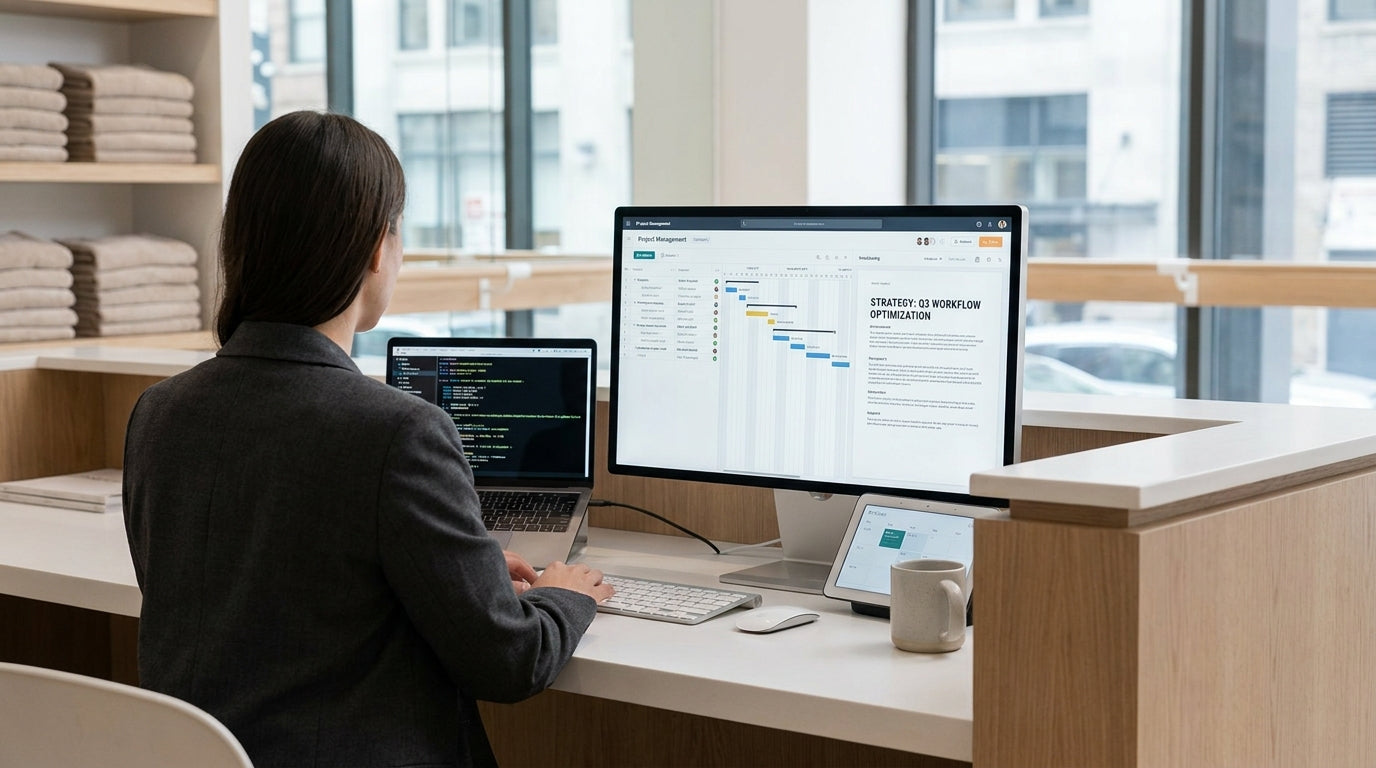
Start by thinking about how your front counter fits into the overall flow of your entry area. A curved or streamlined desk can soften the look of the space and echo the graceful lines of barre movements, while clean, minimalist finishes help reduce visual clutter. If you manage multiple transactions at once, consider the way clients queue, where they sign waivers or membership forms, and how easily they can see staff as they enter.
The size of the counter should match your foot traffic and room dimensions. In a compact studio, space-efficient Straight Reception Counters keep the layout open and allow for easy circulation between reception, waiting and change areas. For larger studios with higher volumes of clients arriving for back-to-back classes, broader Reception Counters with multiple work zones can help avoid bottlenecks and keep check-in fast.
Lighting also plays a big role in how your front counter is perceived. Soft, warm light above and around the desk is more inviting than harsh downlights, especially for early-morning and evening classes. Pair this with natural textures or neutral colours in your counter finish to create a boutique feel that supports the studio experience from the first step inside.
Choosing the Right Counter Shape and Layout
The shape of your reception desk affects both aesthetics and efficiency. Balance the look you want with how you actually use the space day to day.
L-Shaped Reception Counters are ideal when you need distinct zones for check-in, retail products and admin work. The return (side section) gives staff extra bench space for bookings, EFTPOS terminals or towel and grip-sock sales, while still facing clients front-on. This configuration also creates a slight wrap-around effect, which can feel more private for dealing with membership questions or health-history forms.
In narrow entryways or studios located in shared commercial buildings, a simple linear workstation often works better. Choosing from streamlined Straight Reception Counters lets you position the desk against a wall or window without blocking walkways or views into the main studio. A straight profile also makes it easier to add signage or branding across the front, improving visibility from the corridor or street.
If you’re unsure which configuration to choose, map traffic flow with a basic floor plan. Mark entrance points, door swings and where clients tend to cluster before and after classes. A well-planned layout around your counter will reduce congestion, keep conversations private when needed, and maintain a clear path to the change rooms and main studio.
Storage, Organisation and Everyday Functionality
A beautiful counter only works if it stays tidy. Smart storage behind and under the desk helps keep the reception area clutter-free.
For everyday documents, lockers and membership forms, under-desk Pedestal Drawer Units are a practical choice. These compact drawer sets slide under the counter and usually include lockable sections for valuables or client records, maintaining privacy and meeting basic data-security expectations. Keep frequently used items in the top drawer and reserve the lower drawers for bulkier stock like spare resistance bands or teacher resources.
Larger barre studios, or those that retail apparel and accessories, often need extra storage to keep the front area from becoming a stockroom. Wall-adjacent Office Cupboards can hold cleaning supplies, merch back stock, and additional props, allowing staff to replenish displays quickly without leaving reception unattended. Choosing units in similar finishes to your counter keeps the look cohesive and polished.
When planning internal storage, think about peak times such as Saturday mornings or after-work classes. Have clear zones for online order pickups, lost property, and instructor equipment so staff can find items quickly without stepping away from clients. An organised counter setup reduces stress for your team and gives members a sense of confidence in how the studio is run.
Creating a Comfortable Waiting and Retail Zone
The space in front of and beside your counter should support both waiting and informal socialising. Comfort here encourages repeat visits and word-of-mouth referrals.
Start by framing the waiting area with supportive seating. Dedicated Reception Seating is designed for durability and higher turnover, making it well suited to class-based businesses. For smaller studios or boutique spaces, mixing individual Visitor Chairs with a small table can feel more like a lounge than a clinic. Ensure there’s enough room between chairs for gym bags and prams without blocking the circulation path.
A simple coffee table can do far more than just hold magazines. Robust, easy-to-clean Coffee Tables are ideal for water bottles, post-class smoothies or showcasing small retail items such as socks, resistance bands or branded candles. In tighter spaces, compact Side Tables can sit between chairs or along walls, creating surfaces for signage, QR codes to class timetables, or hand sanitiser stations without crowding the room.
Think about acoustics as well. Hard surfaces can amplify noise as several clients arrive at once, making the area feel hectic. Soft furnishings, strategically placed seating and a modest amount of décor can help absorb sound and maintain the calm atmosphere people expect from a barre environment. Use the counter as an anchor, then arrange furniture around it to keep traffic moving and conversations comfortable.
Branding, Accessibility and Long-Term Flexibility
Your front counter should support your brand, be accessible to all clients and adapt as your studio grows. Planning for these factors early will save money and disruption later.
Brand consistency starts with colour, materials and signage. Match the finishes of your desk, cupboards and tables so the entire zone feels deliberate rather than pieced together. Many Reception Counters offer neutral tones that work well with timber, greenery and soft lighting, making it easy to integrate your logo and colour palette through wall graphics, uniforms or small décor pieces.
Accessibility is equally important. Ensure your counter height allows clear visibility and conversation with people of different statures, and consider a lower section or separate perch where required for clients using mobility aids. Keep pathways wide enough for wheelchairs and prams, and position Visitor Chairs so clients can sit without blocking access for others. Small decisions like where you place Side Tables or Coffee Tables can make a significant difference to ease of movement.
Finally, consider how your needs might change over the next few years. As timetables expand or you add more instructors, you may require extra counter space, additional Pedestal Drawer Units or more Reception Seating to handle higher traffic. Selecting modular pieces—such as L-Shaped Reception Counters or easily reconfigured Straight Reception Counters—gives you the flexibility to adjust the layout as your barre studio grows, without sacrificing the calm, cohesive atmosphere your clients expect.


