

Why Showroom Back Offices Need Just as Much Style as the Front
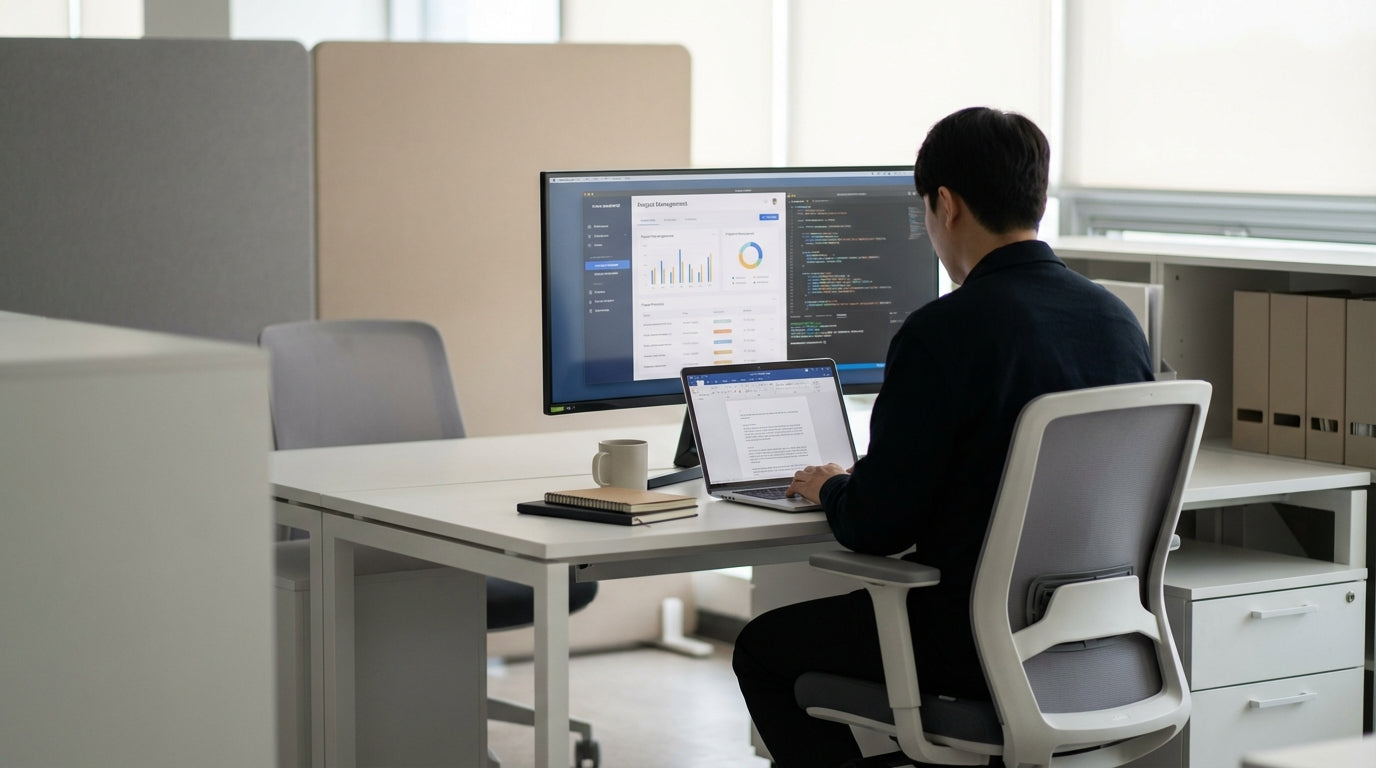
The way your back office runs has a direct impact on what customers see on the showroom floor. When admin, buying, and styling teams are supported by smart workspace planning, the whole fashion operation feels smoother and more professional.
In many fashion showrooms, the focus (and budget) goes into front-of-house displays, lighting, and visual merchandising. Yet the real engine room is where orders are processed, samples tracked and lookbooks updated. Investing in the right workstations, storage and seating isn’t just about comfort; it’s about faster workflows, fewer errors and better collaboration between sales, design and logistics.
Design-wise, the back office doesn’t need to be bland. Choosing contemporary manager desks, streamlined workstations and cohesive storage can quietly echo your brand aesthetic without competing with the showroom itself. Think of it as a “supporting collection” that reinforces your identity, from minimalist labels to bold, colour-driven brands.
Ergonomics also matters more than many fashion businesses realise. Buyers, merchandisers and account managers can spend long stretches seated, often between market appointments or after runway shows. Well-designed task chairs and mesh office chairs help reduce fatigue and injury risk, which means fewer sick days and more consistent performance during busy selling periods.
Zoning the Space: From Buying Pods to Admin Hubs
Good back office layouts are all about zones. Each team needs a defined area that suits how they actually work day to day.
For buyers and merchandisers who need focus but also quick collaboration, consider flexible benching or 2 person workstations. These allow team members to sit side by side when reviewing range plans or cost sheets, without taking up as much room as separate private offices. Where tasks are more individual, such as showroom coordinators managing bookings or fit notes, single person workstations offer personal space without isolating staff from the rest of the team.
Noise can be a real issue in fashion environments, especially when samples are being unpacked, couriers are in and out, and calls are happening with agents or retailers. partition workstations help define quiet areas for detailed tasks like order entry or wholesale contract work, while still keeping a visual connection between colleagues. Partitions also provide pin-up space for line sheets, fabric swatches and mood boards, keeping key information within arm’s reach and off the desktop.
Don’t forget multi-use zones, particularly if your showroom doubles as a presentation space. Incorporating adaptable office & meeting tables lets you host buyer appointments, lookbook reviews and internal line showings without scrambling for extra furniture. These tables can shift from meeting mode to workspace overflow during peak seasons, such as launch weeks or end-of-season sales.
Workstations and Desks that Match Fashion Workflows
The desk setup for fashion teams has to handle more than just a laptop. Swatch books, lookbooks, samples and packaging all compete for space.
For managers overseeing sales, wholesale accounts or brand partnerships, a dedicated manager desk creates a clear base for confidential work and one-on-one meetings. These larger desks provide room for multiple screens, paperwork and sample accessories without feeling cluttered. When placed near the main team area, they also support “open door” leadership where staff can quickly drop in with questions or approvals.
Team members who spend most of their time on data entry, stock control or digital merchandising benefit from structured workstation layouts. Single person workstations can be configured in rows or pods, giving every user their own defined surface and under-desk storage like pedestal drawer units. This keeps personal items and essential tools close but contained, creating a cleaner visual line that aligns with a professional showroom setting.
Where collaboration is constant, such as brand teams planning seasonal stories or fitting schedules, 2 person workstations promote side-by-side problem solving. Pair them with modesty panels or low partitions to balance privacy with easy conversation. Meanwhile, in sample-heavy spaces or back-of-house inventory areas, partition workstations can be arranged along walls to open up central floor space for rolling racks and look boards.
Storage Solutions for Samples, Lookbooks and Paperwork
Fashion showrooms generate a surprising amount of “stuff”. Without proper storage, samples, line sheets and admin documents quickly overrun valuable workspace.
Start by distinguishing between active and archive storage. Active items—current season samples, order forms, current contracts—should live close to workstations in easy-reach solutions such as pedestal drawer units. These compact drawers tuck under desks and are ideal for smaller tools: tape measures, fabric cards, notebooks and tech accessories used daily by buyers and stylists.
For bulkier or shared resources, including sample accessories, past lookbooks and marketing collateral, centralised office cupboards keep everything organised and out of sight. Lockable doors are especially useful when housing pre-release collections or confidential retailer agreements. By assigning each cupboard shelf to a season or brand, teams can quickly locate what they need without rummaging through boxes.
Document-heavy departments, such as finance, wholesale and logistics, still rely on hard-copy records for compliance and audits. Dedicated filing cabinets make it simple to file purchase orders, shipping documents and account contracts by client, season or supplier. Combining vertical filing with large-format storage in office cupboards ensures oversized lookbooks, POS materials and packaging samples have a proper home instead of stacking up on any available flat surface.
Comfort, Ergonomics and Meeting Spaces that Impress
Back office staff in fashion spend long days on their feet and at their desks. Supporting their bodies is as important as supporting your brand image.
When choosing seating, prioritise adjustability and breathability. High-quality task chairs allow users to fine-tune seat height, backrest tilt and arm positions, which helps maintain good posture during long planning or order-entry sessions. In warmer Australian climates or non-air-conditioned warehouse showrooms, mesh office chairs offer better airflow, keeping staff cooler and more focused through busy sell-in periods.
Meeting areas in fashion showrooms often double as presentation zones for buyers, stylists and media. Investing in stylish yet practical office & meeting tables creates a professional environment for run-throughs, collection previews and line sign-offs. Pair these with comfortable seating to encourage longer, more productive sessions when going through lookbooks, range plans and sales targets.
Finally, think about circulation and sightlines between office zones and the main showroom. Staff need to move quickly between rails, back office desks and meeting spaces, especially during market appointments. Strategic placement of workstations, manager desks and shared tables helps avoid bottlenecks while keeping the back-of-house discreet but accessible. When your team moves efficiently and comfortably, it shows in smoother appointments—and a better experience for every visiting buyer and client.


