

Designing a Studio Layout That Actually Works
A photography space needs to be flexible, clutter-free, and comfortable enough for long shoots and editing sessions. The right pieces help you move quickly between shooting, retouching, and meeting clients without constantly rearranging gear.
Start by mapping out clear zones: shooting area, editing station, client seating, and storage. A simple editing zone can be built around compact Home Office Desks, which fit well against a wall or in a corner while still giving you enough room for a monitor, drawing tablet, and peripherals. For studios that double as shared workspaces, classic Straight Desks make cable management and lighting placement easier thanks to their clean, linear layout.
If you regularly collaborate with stylists, videographers, or assistants, dedicated Single Person Workstations help each person keep their own gear close at hand without taking over the main shooting floor. These defined work zones reduce trip hazards, protect equipment, and keep light stands and backdrops from colliding with laptops and hard drives. Thoughtful placement of furniture also supports a smoother workflow: you can move from camera to computer to client seating with minimal disruption to lighting setups.
When planning floor space, allow generous clearance around tripod legs, tethering cables, and stands. Avoid deep, bulky desks in the active shooting lane; instead, keep heavier items pushed to the edges of the room and use lighter pieces near the centre. This keeps the set visually clean and makes it easier to adjust angles, swap props, or roll in a garment rack without a full studio reset.
Choosing Desks and Workstations for Editing and Tethering
Your editing and tethering stations need to be rock solid, ergonomic, and able to handle heavy tech gear. Think about monitor size, storage drives, and where your card readers, hubs, and chargers will live.
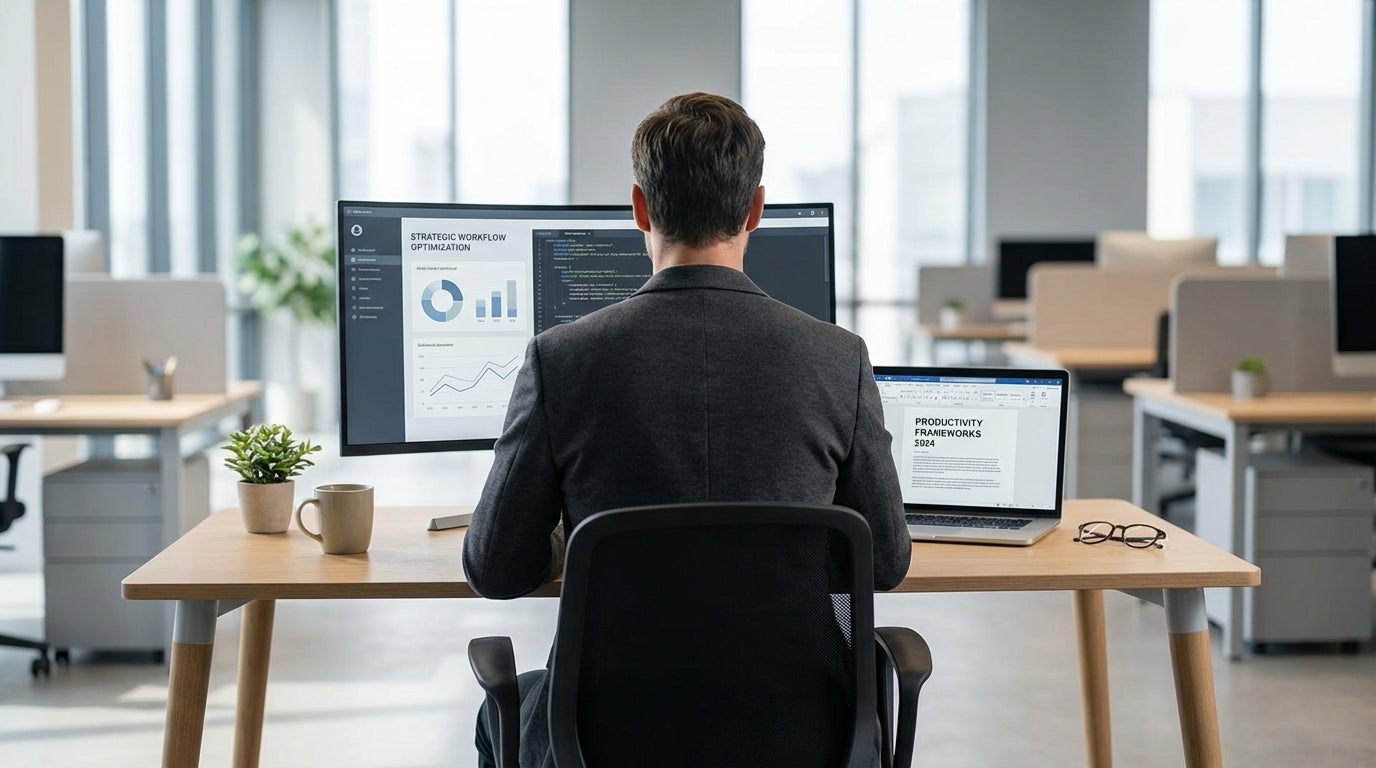
For photographers who edit at home between shoots, streamlined Home Office Desks provide enough depth for large monitors while staying compact in smaller spare rooms or apartment studios. In busier commercial studios, long Straight Desks make it easy to run dual monitors, tethering laptops, and backup drives along one wall, keeping cables out of walkways and away from light stands. A solid, simple surface is often better than something overly decorative or fragile, especially when you’re shifting gear all day.
If you host assistants or retouchers, dedicating a couple of Single Person Workstations can prevent crowding at your main edit bay. Each person can manage their own Wacom tablet, calibration tools, and personal storage without cluttering your primary desk. To support long retouching sessions, look at Height Adjustable Workstations, which let you switch between sitting and standing. This helps reduce back strain and neck pain, common issues when you’re locked into Lightroom or Photoshop for hours.
Height adjustability is especially useful for tethering on set. You can raise the surface to keep the laptop above model eye level and away from accidental knocks, or lower it when you’re shooting from a seated position. With a powered Height Adjustable Workstation, you can tweak height between shots without having to shift your lighting. Combine this with a compact set of Pedestal Drawer Units underneath to store spare cables, batteries, and memory cards where they’re always within reach.
Seating That Supports Long Shoots and Editing Sessions
Photographers spend more time sitting than most people realise, both on set and in post-production. Good seating can reduce fatigue and help you stay focused when deadlines are tight.
Ergonomic Task Chairs are ideal for the main editing desk, offering adjustable height, lumbar support, and tilt controls. A supportive chair helps you maintain a neutral spine position while you lean in to fine-tune colour and skin detail. For warmer climates and non-air-conditioned studios, breathable Mesh Office Chairs allow better airflow, which is especially handy under strong constant lights or when you’re working through a full-day shoot in summer.
On set, you may not want bulky chairs occupying space near your backdrops or continuous lighting rigs. Slimline Task Chairs with wheels can be rolled in and out quickly for laptop work or reviewing images with clients. If you host frequent client viewings, consider pairing your main workstation seating with a couple of comfortable side chairs around a small meeting area, so clients can sit while you present galleries or moodboards on a larger screen.
Think about seat height in relation to your chosen Height Adjustable Workstations or fixed-height desks. Your feet should sit flat on the floor, with your knees at roughly a right angle and the top of your monitor just below eye level. This simple setup reduces strain on your neck and shoulders, letting you focus on composition and colour grading rather than discomfort.
Storage Solutions to Keep Gear Safe and Accessible
Efficient storage keeps your studio safe, tidy, and faster to reset between jobs. The goal is to protect your investment in equipment while keeping everyday items close at hand.
Sturdy Office Shelving is ideal for larger items like camera bags, lighting cases, and props. Open shelves let you see what you have at a glance, which speeds up packing for location shoots and makes inventory checks easier. Heavier items should sit low to minimise tipping risk, while lightweight props and décor can go higher. For day-to-day essentials—filters, lens cloths, triggers, spare batteries—compact Pedestal Drawer Units slide neatly under desks or workstations.
Lockable drawers are useful for storing memory cards with client work, hard drives, and high-value lenses when you’re not in the studio. Keeping these items in a dedicated Pedestal Drawer Unit near your editing station means there’s less chance of misplacing them between shoots. If you sell prints or albums, consider combining shelving with low Office & Meeting Tables to create a simple packing and assembly area that stays separate from your shooting zone.
Organisation also helps you transition quickly between different types of work—portrait to product, or fashion to corporate. Use labelled bins or boxes on your Office Shelving so you can grab a “beauty lighting” kit or “product props” set without hunting for small pieces. The less time you spend digging for clamps and gels, the more time you have to refine lighting, direct talent, and deliver consistent results.
Client Areas: Creating a Professional Experience
First impressions in a studio matter just as much as your portfolio. A comfortable, well-organised client area helps people relax and builds trust in your process.
A small lounge-style setup with a couple of armchairs and a low Coffee Table can turn a corner of your studio into a welcoming waiting space. Use the tabletop for lookbooks, sample albums, or a tablet displaying your folio while clients enjoy a drink. For planning sessions and image reviews, a more formal arrangement using Office & Meeting Tables allows you to spread out shot lists, style references, and contracts without encroaching on the shooting area.
If you often run pre-production meetings or host commercial clients, consider a dedicated meeting nook separate from your editing desk. A compact meeting table paired with comfortable Task Chairs creates a clear distinction between business discussions and creative work zones. This not only looks more professional but also keeps sensitive notes and contracts away from the main set, where liquids, makeup, and equipment are constantly in motion.
Finally, connect your client area to the rest of the studio visually but not physically. Position seating so clients can see some of the action without standing in the path of cables or light stands. Keep your Home Office Desks, Straight Desks, and tech-heavy zones slightly removed, while using furniture like Coffee Tables and low Office & Meeting Tables to guide foot traffic naturally around, not through, your working set.


