

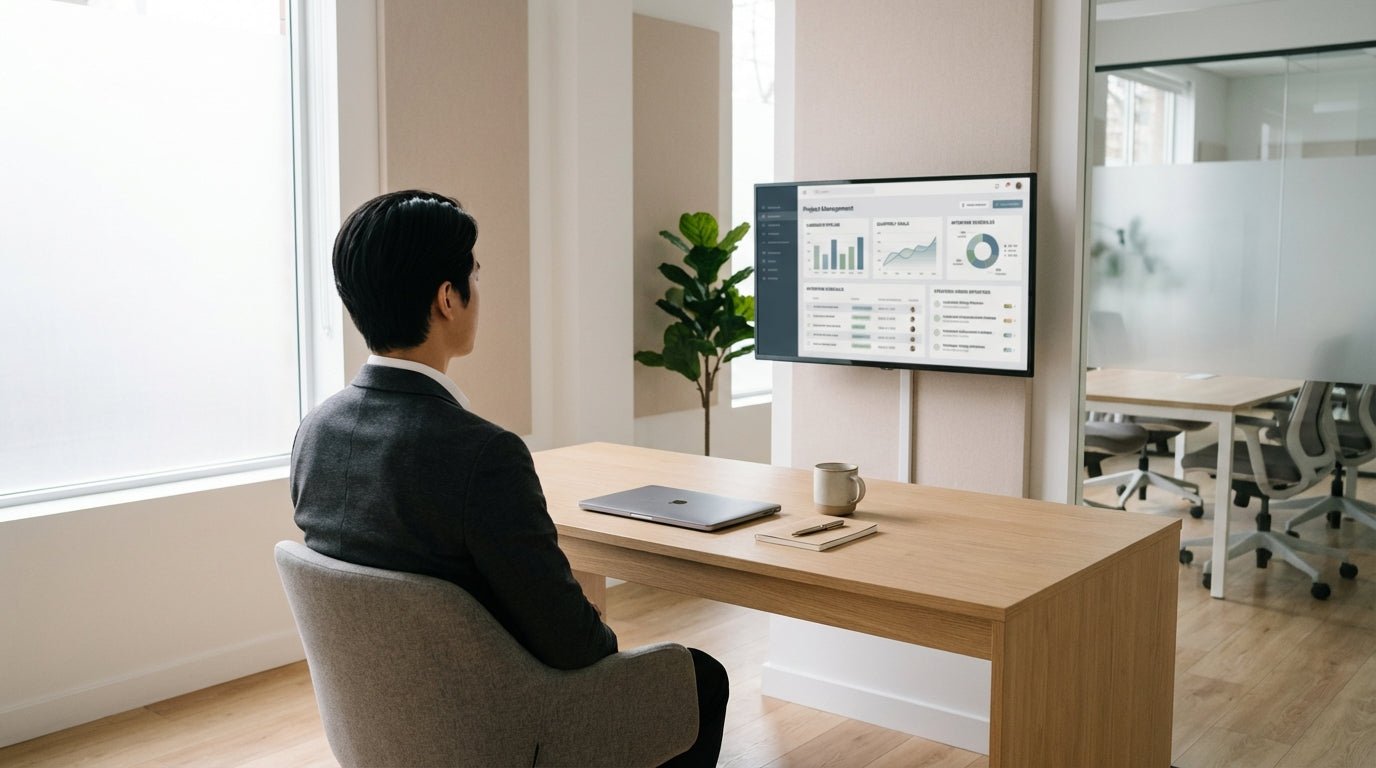
Why Interview Room Design Matters for Recruitment Agencies
Interview spaces do far more than provide a place to sit and talk. They shape a candidate’s first impression of your agency and your clients’ brands.
For recruiters, time is money and reputation is everything. A well-planned interview room helps you run back-to-back appointments smoothly, present a professional image, and keep both candidates and hiring managers comfortable. The right furniture layout reduces awkward bottlenecks at reception and makes it easier to manage confidential discussions without disruption.
In a competitive talent market, candidates quickly form opinions based on their surroundings. Modern meeting chairs, flexible layouts, and functional accessories signal that your agency is organised and up to date. On the flip side, worn seating, cluttered tables, and noisy spaces can undermine trust before the interview even starts.
Interview rooms also need to handle a variety of formats: one-on-one chats, panel interviews, remote video calls, and occasional client meetings. Choosing versatile pieces, such as movable meeting tables and reconfigurable partitions, allows you to switch between these modes quickly without compromising comfort or privacy.
Choosing Seating That Supports Comfort and Confidence
Seating is often the first thing people notice when they enter an interview room. The right chairs support posture, reduce nerves, and keep conversations focused.
For recruiters and hiring managers, ergonomic meeting chairs with adjustable features help maintain concentration during long interview blocks. Look for options with lumbar support, breathable materials, and stable bases so users can sit comfortably without constant fidgeting. Stable, quiet casters are also useful when panel members need to reposition slightly during video or hybrid interviews.
Candidates benefit from simpler, welcoming seating that feels supportive but not intimidating. Consider pairing your interviewer seating with high-quality visitor chairs that match your brand style. Upholstered visitor seating with a soft but firm cushion helps ease tension, while armrests give candidates somewhere to rest their hands if they’re nervous.
If you regularly run assessment centres or group interviews, invest in stackable or easily movable visitor chairs that can be set up or packed away quickly. Matching finishes across your chair range keeps the space cohesive, even when the layout changes from day to day.
Tables, Layouts, and Flexible Interview Formats
The table layout influences the tone of every interview. It can either create a relaxed conversation or set up a formal, panel-style atmosphere.
Rectangular meeting tables are ideal for traditional interviews and panel discussions, giving everyone clear sightlines and enough surface space for laptops, notes, and water. For a more collaborative feel, consider round or barrel-shaped tables that soften the “across the desk” dynamic and encourage open dialogue. The shape you choose should reflect how you want candidates and clients to interact with your team.
Agencies that host group information sessions, skills testing, or portfolio reviews benefit from modular meeting tables with foldable tops and lockable castors. These can be arranged in U-shapes, clusters, or classroom styles, then nested away when not in use. Flexible furniture reduces the need for multiple dedicated rooms and makes it easier to adapt as your service offering evolves.
Don’t overlook simple tools that support structured conversations. Magnetic whiteboards are excellent for mapping career paths, role requirements, and timelines in front of candidates. Where spaces are shared or multi-purpose, mobile whiteboards provide the same benefits with the added advantage of being wheeled between interview rooms or into training spaces as needed.
Managing Privacy, Noise, and Candidate Experience
Privacy and sound control are critical in any interview space. Recruitment conversations often cover sensitive salary details, personal history, and employer information.
If your agency operates in an open-plan office, dedicated office pods offer an immediate upgrade in privacy. These self-contained spaces create a clear psychological boundary for candidates, helping them feel safe to speak openly. When phone screens or one-on-one interviews need extra sound control, fully enclosed acoustic pods reduce background noise and protect confidentiality for both parties.
For agencies without room for fixed structures, strategic use of mobile partitions can carve out semi-private zones on demand. These movable screens are especially useful in co-working environments or when you need to adjust the layout for assessment days. Where you want a more permanent separation between reception, waiting areas, and interview rooms, taller floor partitions create clear visual and acoustic barriers without full construction.
The candidate journey should also feel calm and organised from entry to exit. Comfortable visitor chairs in waiting areas, clear wayfinding, and a tidy surface on your interview table all contribute to a professional experience. Adding a magnetic whiteboard or mobile whiteboard for briefing candidates on the process can ease anxiety by outlining what will happen next.
Planning for Growth and Future Recruitment Trends
Recruitment needs shift quickly, so your interview rooms should be ready to adapt. Planning ahead with flexible furniture helps your agency scale smoothly.
Hybrid hiring, where some people attend in person and others join by video, is now common across many Australian industries. Ensure tables allow space for laptops and webcams, and position meeting chairs so everyone remains visible on screen. When there are limited enclosed rooms available, smaller office pods or phone-booth style acoustic pods let consultants step away for quick online interviews without interrupting colleagues.
As your team grows, modular zoning solutions such as mobile partitions and floor partitions make it easier to re-balance the mix between workstations, interview spaces, and training areas. You can increase the number of small interview booths during peak hiring seasons, then open up larger collaboration areas when demand eases. This flexibility avoids expensive fit-out changes and supports a more sustainable use of your floorplan.
Finally, think long term about durability and brand consistency. Investing in quality meeting tables, coordinated visitor chairs, and versatile tools like mobile whiteboards ensures your interview rooms remain functional and on-brand even as your agency evolves. By aligning your furniture choices with both current and future recruitment practices, you create spaces that support consultants, impress clients, and give candidates a positive, memorable experience.


