

Designing a Control Hub that Works as Hard as Your Facility
Admin spaces in urban sports venues need to handle bookings, compliance, and community engagement without missing a beat. The right layout turns a cramped back office into a highly functional control hub.
Start with a clear separation between public-facing zones and back-of-house areas. A welcoming front-of-house can be created with purpose-built Reception Counters, giving staff space for screens, booking systems, and payment terminals while still maintaining eye contact with visitors. Behind the counter, streamlined storage using Office Cupboards keeps waiver forms, event flyers, and first-aid supplies close at hand but out of sight.
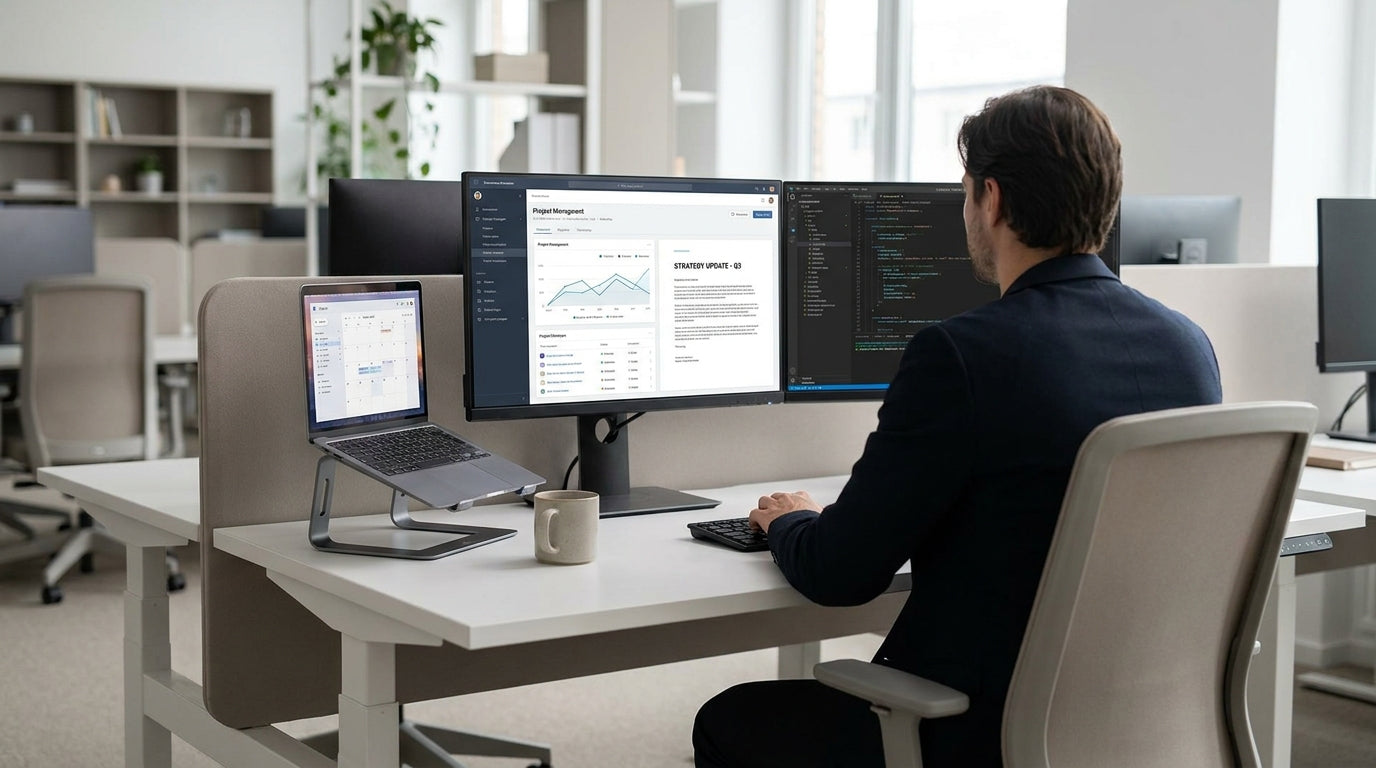
In the core admin office, consider a mix of Manager Desks for operations staff and compact Straight Desks for casual or seasonal workers. This combination supports both strategic work and quick, task-based admin without overcrowding the floor. For venues dealing with confidential data, small Office Pods can double as quiet spaces for HR conversations, safeguarding privacy in a busy environment.
Circulation space is just as critical as workstation count. High-traffic sports centres see a constant flow of coaches, volunteers, and contractors through the admin zone—so allow generous walkways and clear sightlines to entrances and exits. A well-planned control hub helps staff respond faster to on-court incidents, last-minute booking changes, and maintenance issues, all while keeping paperwork under control.
Choosing Desks and Workstations for High-Pressure Admin Teams
Booking clashes, fixture changes, and weather disruptions all hit the admin team first. Desks need to support fast, multi-screen work without creating clutter or fatigue.
For venue managers juggling rosters, compliance, and budgets, larger Manager Desks give enough surface area for dual monitors, plans of the facility, and incident logs. Operational staff who spend part of the day at courtside and part at a desk can benefit from flexible Straight Desks, which are easier to reconfigure as teams grow or shrink across seasons. When admin staff share work across event operations and sponsorships, L-Shaped Desks create a natural split between “computer work” and “paperwork and gear”.
In many urban sports centres, space is tight and walls are often concrete or glass. Modular layouts using straight and L-shaped workstations make it easier to run cabling, keep walkways clear, and provide a home for label printers, radios, and CCTV screens. Pair these with ergonomic seating such as Mesh Office Chairs or adjustable Task Chairs so staff can cope with long tournament days without back strain.
Dedicated focus areas are essential when preparing grant applications, major event bids, or detailed reports. Here, Office Pods add acoustic separation from the constant noise of whistles, music, and crowds. Pods and enclosed workstations also help protect sensitive financial information, medical declarations, and staff records from casual viewing in open-plan admin spaces.
Seating, Storage, and Security in a Multi-User Environment
Admin teams in sports facilities rarely have the same people at desks all day. Coaches, officials, and volunteers drift in and out, making shared seating and secure storage crucial.
Breathable Mesh Office Chairs are a strong fit for warm indoor courts and aquatic centres, where humidity and body heat can build up over long shifts. For staff who rotate between ticketing, scheduling, and incident reporting, fully adjustable Task Chairs support different body types and working styles. Explaining ergonomics simply to staff—seat height at knee level, elbows at 90 degrees, screen at eye level—can dramatically reduce fatigue across a busy competition season.
Storage needs are more complex than in a typical office. Admin areas often house lost property, referee uniforms, timing equipment, radios, and first-aid kits alongside traditional files and stationery. Lockable Office Cupboards keep essential gear organised and controlled, while Steel Lockers give casual staff and volunteers somewhere secure to store personal items during events. Allocating separate lockers for officials and coaches also helps reinforce professional boundaries and protects valuable electronics.
For records that must be retained under sporting body regulations—such as injury reports and child safety documentation—clearly labelled cupboards near management workstations keep compliance tasks streamlined. Combining secure cupboards with digital booking systems allows you to gradually shift from paper-heavy processes to more efficient hybrid workflows without misplacing critical files. A tidy, secure environment also projects professionalism to partners, sponsors, and community groups hiring your courts or fields.
Meeting, Collaboration, and Community Engagement Spaces
Urban sports facilities act as community hubs, hosting everything from coaching sessions to club AGMs. Well-planned admin furniture supports both internal collaboration and public engagement.
Dedicated meeting areas with appropriately sized Meeting Tables make it easier to host committee meetings, referee briefings, and volunteer inductions away from the front counter. Choose tables with durable finishes that can handle laptops, refreshments, and the occasional muddy kit bag without damage. Pair them with easily movable Task Chairs so rooms can flip quickly between board-style layouts and classroom formats for coaching courses or accreditation workshops.
For quick stand-ups with ground staff or suppliers, consider small round or high tables placed near the main admin hub rather than tying up larger meeting rooms. This keeps informal conversations from spilling into circulation space or blocking the view of courts and entry points. When privacy is essential—such as dealing with player welfare, disciplinary issues, or sensitive feedback—self-contained Office Pods provide a neutral zone that feels professional and discreet.
Public engagement starts at the front door. Thoughtfully designed Reception Counters can incorporate brochure holders, digital check-in screens, and accessible sections for wheelchair users. This helps staff deliver clear information about timetables, memberships, and event bookings while keeping queues flowing. When community groups use your facility as their regular base, a reliable mix of meeting tables and secure storage via Steel Lockers encourages them to treat the venue as a long-term home, boosting utilisation and revenue.
Future-Proofing Admin Areas for Growth and New Programs
Urban sports centres evolve constantly, adding new programs, extended hours, and digital systems. Flexible furniture choices help admin teams scale without constant refurbishments.
Desking systems based on modular Straight Desks and reconfigurable L-Shaped Desks allow you to add or remove workstations as participation numbers change. When new programs launch—such as inclusive sports, off-peak fitness sessions, or e-sports—you can quickly allocate extra admin capacity without expensive building works. Combine this with mobile Office Cupboards on castors so storage moves with the team rather than becoming a fixed obstacle.
Technology upgrades are another driver of change. As you introduce online booking, live scoring, or video review systems, ensure Manager Desks and workstations offer cable management, power access, and enough depth for multiple screens. Adjustable Mesh Office Chairs and robust Task Chairs help staff cope with more screen time while maintaining good posture.
Finally, consider how admin spaces can flex for peak events such as tournaments or school carnivals. Portable Reception Counters and additional Meeting Tables can be used to set up temporary accreditation desks, media hubs, or first-aid coordination points. When not in use, these pieces can support everyday operations or be stored securely using nearby Steel Lockers and cupboards. By planning with flexibility in mind, your admin areas stay efficient, professional, and ready for whatever your community throws at them next.


