

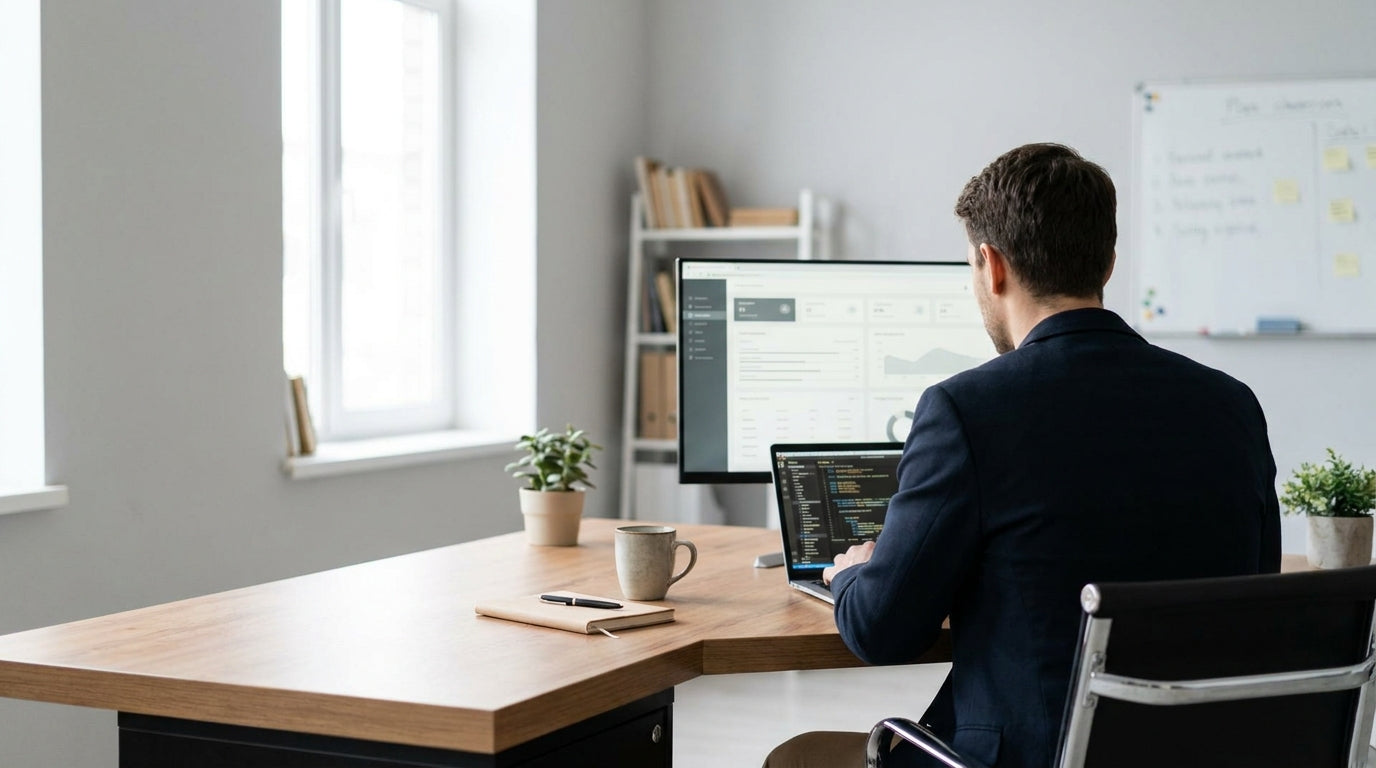
Understanding Corner Desks for L-Shaped Rooms
L-shaped rooms can be tricky to furnish, but the right desk layout can turn awkward corners into high‑performance work zones. The key is matching the shape of the desk to the shape of the space and the way you work.
For many people, dedicated L-Shaped Desks are the most natural fit. These units wrap along two walls, using every centimetre of the corner while keeping your main work surface within easy reach. If you prefer a more compact footprint, streamlined Corner Office Desks sit neatly in the nook and free up the rest of the room for storage, guest seating, or a second workstation.
In shared or open-plan spaces, modular Corner Workstations offer a smart alternative. They are designed to slot into corners or run along walls in pods, giving each person a defined area without wasting floor space. For a small study or spare room, compact Home Office Desks with return panels can deliver an L-shaped feel even in tight spots.
Think about how the room flows: door swings, window placement, and power points all influence where a corner desk will work best. A good layout should allow you to move around freely, access storage without twisting, and still have a clear line of sight to the rest of the room.
Measuring Your Space and Getting the Fit Right
Before you fall in love with a desk, you need accurate measurements. Corners magnify small errors, so it pays to be precise.
Start by measuring each wall from the corner outwards, as well as the distance to doors, windows, and built‑ins like wardrobes. Note the position of power points and data outlets so your Single Person Workstations or corner desk can access them without messy extension leads. For most adults, a desk depth of 600–800 mm gives enough room for a monitor, keyboard, and paperwork without feeling cramped.
It’s also worth checking the height of existing furniture such as credenzas, bookshelves, or Manager Desks that might sit beside the corner unit. Matching heights creates a continuous surface and makes the space look intentional rather than patched together. If you want the option to stand, factor in clearances for Height Adjustable Workstations, which move up and down and need breathing room above and behind.
When you review product dimensions online, remember that some Straight Desks can be paired with returns or add-ons to form an L shape. Measure the total span of all pieces, not just the primary top. Leave at least 800–1000 mm of walk‑through space between the desk and any opposing wall or furniture so you can move comfortably and roll your chair back without bumping into things.
Comparing Corner Desk Types for Different Workstyles
The “best” corner desk depends heavily on how you work day to day. Different formats suit focused solo tasks, collaborative work, or managerial roles.
If you need plenty of surface area for files, dual monitors, or drafting, a full L-Shaped Desk gives generous elbow room and natural zoning. You can dedicate one side to computer work and the other to paperwork or meeting space. For managers or team leaders, pairing an L-shaped unit with complementary Manager Desks and low storage can create a professional setting that still fits neatly into an L-shaped room.
For task‑heavy roles like accounting or design, consider modular Corner Workstations that integrate cable management and screens. These help keep cables out of sight and dampen noise in busier offices. If you’re working from home, a carefully chosen Home Office Desk with a compact corner return might be all you need to separate “tech zone” from “paper zone” without overwhelming the room.
Those who prefer a minimalist setup may opt for a robust Straight Desk along one wall, then add a side return using compatible Workstation Components. This can mimic the function of a traditional corner desk while allowing you to reconfigure as your needs change. Standing users or people with back issues should look closely at Height Adjustable Workstations, which make it easy to shift between sitting and standing without re-arranging the entire room.
Ergonomics and Comfort in Corner Setups
A clever layout is only useful if it’s comfortable to use. Ergonomics is about setting up your workstation so your body isn’t under constant strain.
When you sit at the desk, your elbows should be roughly at 90 degrees and your shoulders relaxed. This is easier to achieve with desks and Single Person Workstations that offer adequate depth and allow you to centre your chair in front of the main working edge. If you choose an L-shaped layout, decide which side is your “primary” zone and align your monitor and keyboard there, rather than working diagonally across the corner all day.
For users who spend long hours at the screen, Height Adjustable Workstations are a strong option. They let you fine‑tune the height to your body now and adjust later if your chair changes or a different user takes the spot. You can also pair them with fixed Workstation Components such as modesty panels or cable trays so you don’t sacrifice neatness for flexibility.
Think about legroom under the corner section. Some compact Corner Office Desks have support panels that can interfere with your knees if you like to swivel between sides. Before you commit, check where any pedestals or mobile drawers will sit so they don’t block your feet or clash with the chair base.
Planning for Storage, Tech, and Future Flexibility
A well-chosen corner desk should support your gear today and adapt to tomorrow’s changes. Planning for storage and technology up front saves headaches later.
If you run multiple devices, look for Corner Workstations or L-shaped units with built‑in cable ports and modesty panels to hide power boards. Pairing your main desk with matching Workstation Components such as shelves, returns, and screening allows you to customise storage without blocking light or airflow. This is particularly useful in L-shaped rooms where one wall may be better suited to vertical storage than another.
In home offices, combining a compact corner Home Office Desk with wall‑mounted shelving can keep the floor clear and make the room feel larger. For growing teams or changing roles, modular Single Person Workstations and Straight Desks let you add, remove, or rearrange positions without discarding furniture. You can start with a simple straight run and then introduce corner pieces as your staffing or technology needs evolve.
Managers who host regular sit‑downs may prefer a more substantial corner or L-shaped setup paired with coordinating Manager Desks. This creates space for visitors to sit opposite you without feeling squeezed into a corner. Choosing finishes and sizes from the same product family across your corner units and workstations ensures the room looks cohesive, even as you add new elements over time.


