

Why Boardroom Table Shape Matters More Than You Think
The shape of your boardroom table does more than hold laptops and notepads. It quietly sets the tone for every meeting, presentation, and negotiation.
In Australian workplaces, the boardroom is often the most visible space to clients, partners, and senior staff. The table becomes the focal point, influencing how people interact, where they sit, and even who speaks most. That’s why businesses increasingly choose purpose-designed Boardroom Tables that balance aesthetics, function, and comfort.
The right layout can encourage collaboration, make video calls run smoother, and help everyone feel included. Poorly chosen shapes, on the other hand, can create awkward gaps, blocked sightlines to screens, and a subtle hierarchy that doesn’t suit modern, team-based work. Thinking carefully about table style is one of the simplest ways to improve the way your boardroom works day-to-day.
Shape also affects practical considerations like cable management, accessibility, and how easily you can reconfigure the room. Many organisations now look for flexibility, pairing a central board table with adaptable Office & Meeting Tables that can be moved or rearranged for workshops, training, or larger events.
Popular Boardroom Table Shapes and Their Strengths
There’s no single “best” shape for every boardroom. The ideal choice depends on room size, technology needs, and how you prefer to run meetings.
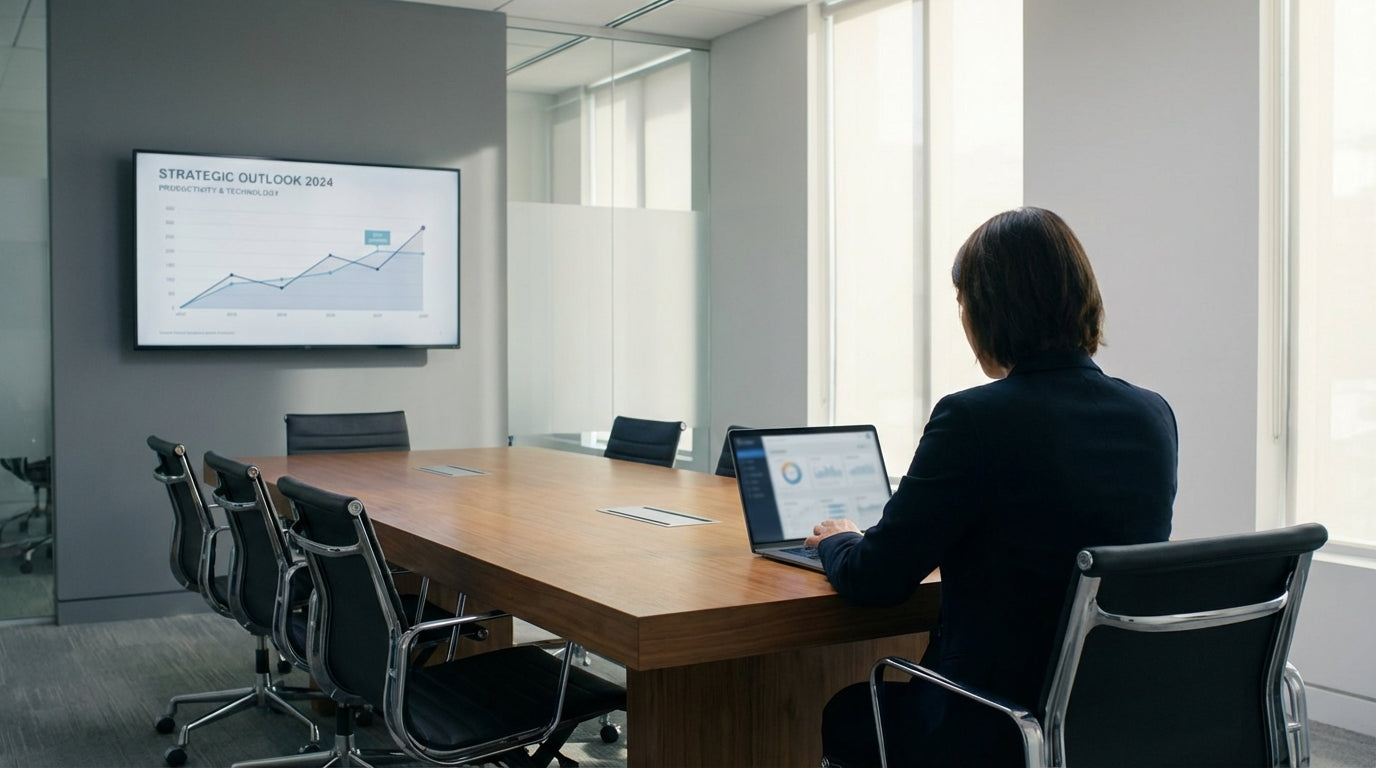
Rectangular tables remain a practical and popular choice, especially for executive rooms and formal presentations. They’re efficient for seating, work well with end-mounted displays, and make it easy to position a chair for the meeting lead at one end. Many modern rectangular Boardroom Tables incorporate power boxes and cable channels for laptops and conferencing gear.
Oval and boat-shaped designs soften the hard edges of a rectangle while still keeping a long central line. These shapes visually reduce hierarchy, as there’s less emphasis on “the head of the table”, fostering a more collaborative atmosphere. They also improve sightlines across the room, making it easier for everyone to see each other and any presentation screens.
Round tables, commonly used in smaller spaces and breakout rooms, promote equality and open discussion. When you pair larger circular designs with complementary Round Tables in nearby collaboration zones, you can create a consistent, inclusive look throughout your office. Meanwhile, modular Meeting Tables in D-shaped or wedge formats allow you to combine pieces into custom configurations for workshops and agile teams.
Matching Shape to Room Size, Layout and Technology
The best boardroom table shape fits the space you have, not the space you wish you had. Start by measuring your room, including door swings and built-in cabinetry.
A long, narrow room usually suits a rectangular or boat-shaped table, allowing comfortable circulation on all sides. In a more square space, you might consider a large oval or a cluster of modular Meeting Tables that can be pulled together or separated. Leave enough clearance for chairs to slide back (at least 90 cm from table edge to wall is a useful rule of thumb) and ensure there’s a clear path to exits and display screens.
Technology placement is just as important as physical dimensions. If you rely heavily on video conferencing, think about how people will appear on camera. Rectangular or boat-shaped Boardroom Tables usually make it easier for everyone to stay within the frame, especially when the camera is mounted near the short end facing the group. In tech-heavy rooms, tables with integrated cable ports help keep the surface uncluttered and professional.
Flexible spaces that double as training rooms, town-hall areas, or project hubs benefit from more adaptable solutions. Combining a central fixed table with reconfigurable Training Tables, Flip Top Tables, or even Mobile Tables gives you options for different meeting styles. In smaller offices, compact Office & Meeting Tables that can be folded, nested, or wheeled away help maintain clear space when the room isn’t in formal use.
When to Choose Flexible, Folding or Mobile Options
Not every organisation needs a fixed, heavy boardroom table. For many modern teams, flexibility is just as valuable as formality.
If your boardroom doubles as a training venue or project room, modular layouts can be far more practical. A combination of Folding Tables and Flip Top Tables lets you switch quickly between classroom-style sessions, U-shaped discussions, and traditional boardroom layouts. These tables often nest together for compact storage, freeing up floor area for standing workshops or group activities.
Mobile solutions are especially useful in open-plan offices and co-working environments. With lockable castors, Mobile Tables can be wheeled in for large client meetings, then returned to hot-desking or project zones afterwards. Pairing these with a core set of high-quality Boardroom Tables in executive spaces creates a consistent look across your workplace without sacrificing adaptability.
Event-heavy organisations, such as training providers or community groups, often rely on lightweight Trestle Tables that can be set up and packed down quickly. These are ideal for catering, additional seating, or temporary breakout spaces adjacent to the main boardroom. By mixing trestles with more permanent Office & Meeting Tables, you can scale your furniture up or down in line with your schedule.
Choosing the Right Table for Your Australian Workplace
Selecting the right meeting furniture is about more than following trends. It’s about supporting the way your people actually work.
Start with a clear picture of how often the room is used, how many people you typically host, and what kind of meetings you run. Formal presentations with clients might call for a refined, fixed Boardroom Table, while internal workshops may be better suited to a collection of modular Meeting Tables or reconfigurable Training Tables. Consider future growth, too—choosing a shape and size that can accommodate a few extra seats is often a wise investment.
Comfort, durability, and style should work together. Australian businesses often favour hard-wearing finishes that handle daily use, alongside colours and shapes that harmonise with existing fit-outs. Matching your main boardroom piece with complementary Round Tables, Folding Tables, or Flip Top Tables in smaller rooms can help create a cohesive, professional impression across the office.
Finally, don’t overlook practicality—access to power, ease of cleaning, and the ability to move or reconfigure furniture when needed. Whether you opt for a classic executive table or a flexible mix of Mobile Tables and Trestle Tables, aligning the shape and style with your real-world needs will ensure your boardroom remains a productive, welcoming space for years to come.


