

Why Partition Height Matters in Modern Offices
Office partitions do much more than divide space; they shape how people work, focus, and collaborate. Getting the height right is crucial for comfort, privacy, and compliance.
In Australian workplaces, screens and panels are often chosen to balance visibility with privacy. Too low, and staff feel exposed and distracted; too high, and the office can feel closed-in and difficult to supervise. The right height supports ergonomics, lighting, and airflow while helping to control noise in open-plan layouts. When selecting Partition Workstations or individual screening solutions, it’s important to consider not just the product style but the vertical dimensions that best fit your team and tasks.
Height selection also affects how easily teams can reconfigure their layout. Adjustable or modular systems allow you to change screen height or mix different panel heights within the same area. Combining lower dividers for collaboration areas and taller ones for concentration zones can be an effective way to create a flexible, task-based office without a full fit-out.
Common Height Ranges for Different Partition Types
Different partition systems come with typical height bands, each suited to specific tasks. Understanding these ranges helps you choose a consistent approach across the floor plan.
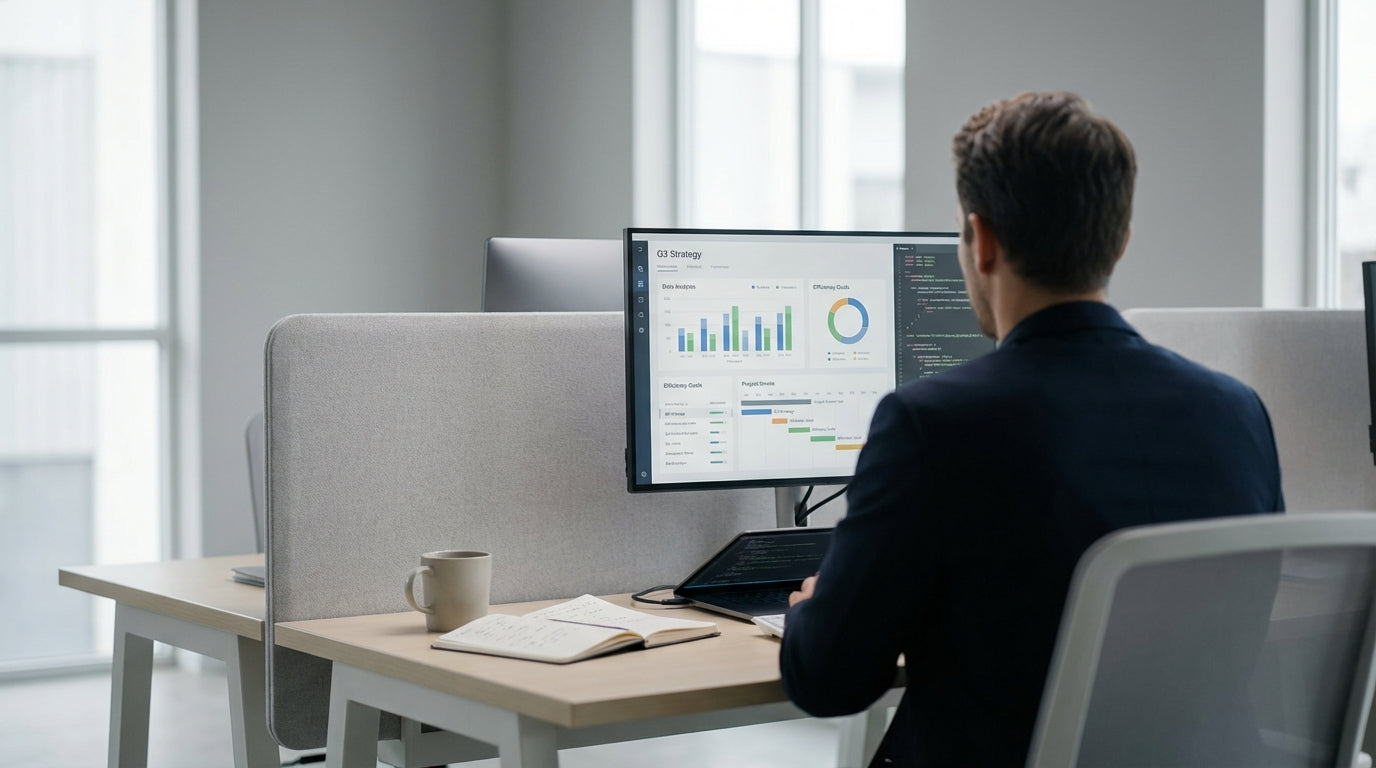
Desk-mounted screens usually sit around eye level when you are seated. Many Desk Mounted Partitions fall in the 300–600 mm range above the desk surface, offering modesty and visual separation without blocking natural light. For employees who share benched desking, slightly higher panels can create a clearer boundary between workstations while still allowing quick conversation.
Freestanding Floor Partitions are commonly available in heights around 1200 mm, 1500 mm, and 1800 mm. Lower options (about 1200 mm) keep line-of-sight across the office and are often used in reception or collaborative zones. Medium heights (around 1500 mm) offer more privacy for focused work, while higher panels (up to 1800 mm or more) support acoustic control and visual privacy for concentrated tasks or confidential discussions.
For agile spaces, Mobile Partitions combine these height bands with the convenience of castors. They are often used as rolling whiteboards or acoustic barriers in meeting areas, allowing you to quickly change how enclosed a space feels. When planning an office layout, it’s common to mix different partition heights rather than rely on a single standard for the entire floor.
Privacy, Acoustics, and Productivity
Partition height has a direct impact on privacy and noise, which in turn affects productivity. The right setup will differ between call centres, design studios, and executive offices.
For individual focus work, higher screening around desks can reduce interruptions and visual clutter. Semi-enclosed Single Person Workstations paired with medium-to-tall panels help staff manage phone calls and deep-focus tasks. If confidentiality is important, such as in HR or finance teams, taller Floor Partitions or integrated Workstation Components can ensure sensitive information is less visible and conversations are less easily overheard.
Acoustic performance is also closely tied to height. Taller structures, such as Office Pods and specialised Acoustic Pods, provide significantly better sound isolation for meetings, video calls, and focus rooms. In open-plan environments, combining medium-height panels with acoustic materials and strategic placement of Acrylic Screens can help reduce echo and cross-talk without making the office feel claustrophobic. Thinking of partitions as part of a broader acoustic strategy—rather than just visual dividers—leads to more comfortable, productive spaces.
Where full pods are not practical, incremental height increases on screen systems can make a noticeable difference. Adding clip-on extensions or using specialised Screen Accessories allows facilities teams to fine-tune noise control and privacy over time, instead of committing to permanent walls.
Balancing Openness, Light, and Compliance
Partition height needs to work with your building’s light, airflow, and safety requirements. A well-designed layout balances openness and enclosure without causing compliance issues.
In many Australian offices, maintaining natural light penetration is a key design goal. Keeping partitions closer to seated head height in open areas ensures that windows can illuminate deeper into the floor plate. Transparent or semi-transparent solutions, such as some Acrylic Screens, allow you to increase height for hygiene or acoustic reasons while still letting light through. This is especially useful along corridors or around collaborative zones where visibility is important.
Circulation paths, emergency egress, and air-conditioning performance should also guide your height choices. Overly tall panels placed under supply diffusers can disrupt air distribution, while solid walls may demand additional approvals or changes to fire systems. Modular Partition Workstations and configurable Mobile Partitions make it easier to adapt layouts if codes or workplace needs change. When in doubt, consulting building management or a fit-out professional about maximum heights near exits and windows can prevent costly redesigns later.
Many organisations also use mixed-height layouts to maintain supervision and a sense of connection. Lower dividers in shared areas, medium screens around focused workstations, and higher elements around Office Pods or meeting zones create visual variety and support wayfinding, so people intuitively understand how to use each area.
Choosing the Right Height for Your Workspace
Selecting partition heights is easier when you link them to tasks, teams, and technology. A simple planning framework can help you reach the right mix.
Start by mapping how each area will be used: quiet zones, collaboration hubs, meeting spaces, and circulation paths. For task-focused desks, pair Single Person Workstations with medium-height Desk Mounted Partitions to give workers personal space without blocking their view across the room. In project areas where teams stand, move, and gather around screens, lower panels or reconfigurable Mobile Partitions often work best to keep communication easy.
Next, layer in acoustic and privacy needs. For video conferencing, focus rooms, and confidential conversations, enclosed Acoustic Pods or more enclosed Office Pods can supplement standard workstation screens. In open-plan sections, consider combining freestanding Floor Partitions with task-specific Workstation Components and well-chosen Screen Accessories to fine-tune height and function over time.
Finally, think about future flexibility. Workstyles, headcounts, and technology setups change quickly, so an adaptable partition system is usually more cost-effective than fixed walls. Combining modular Partition Workstations with movable elements and durable Acrylic Screens allows you to adjust heights as your workplace evolves, keeping your office layout aligned with how your teams actually work.


