
Health‑First Workspaces and Hybrid Schedules
Australian businesses are moving away from static cubicles and towards flexible, health‑focused layouts. The priority for 2026 is supporting hybrid teams and employee wellbeing, not just squeezing in more desks.
Standing and sit‑stand stations are now standard in progressive offices, with many organisations replacing fixed desks with Height Adjustable Workstations. These workpoints allow staff to switch posture throughout the day, reducing back pain and fatigue while keeping energy levels higher. In open‑plan spaces, electric models with memory presets are becoming common, making it simple for hot‑desking staff to personalise their setup in seconds.
The rise of hybrid work also means workstations must be shared, reconfigured and scaled quickly. Employers are opting for modular benches, mobile storage and compact Home Office Desks that match in‑office finishes, so staff can maintain a consistent ergonomic setup at home and on site. This consistency helps reduce injury risk and supports smooth transitions between remote and office days.
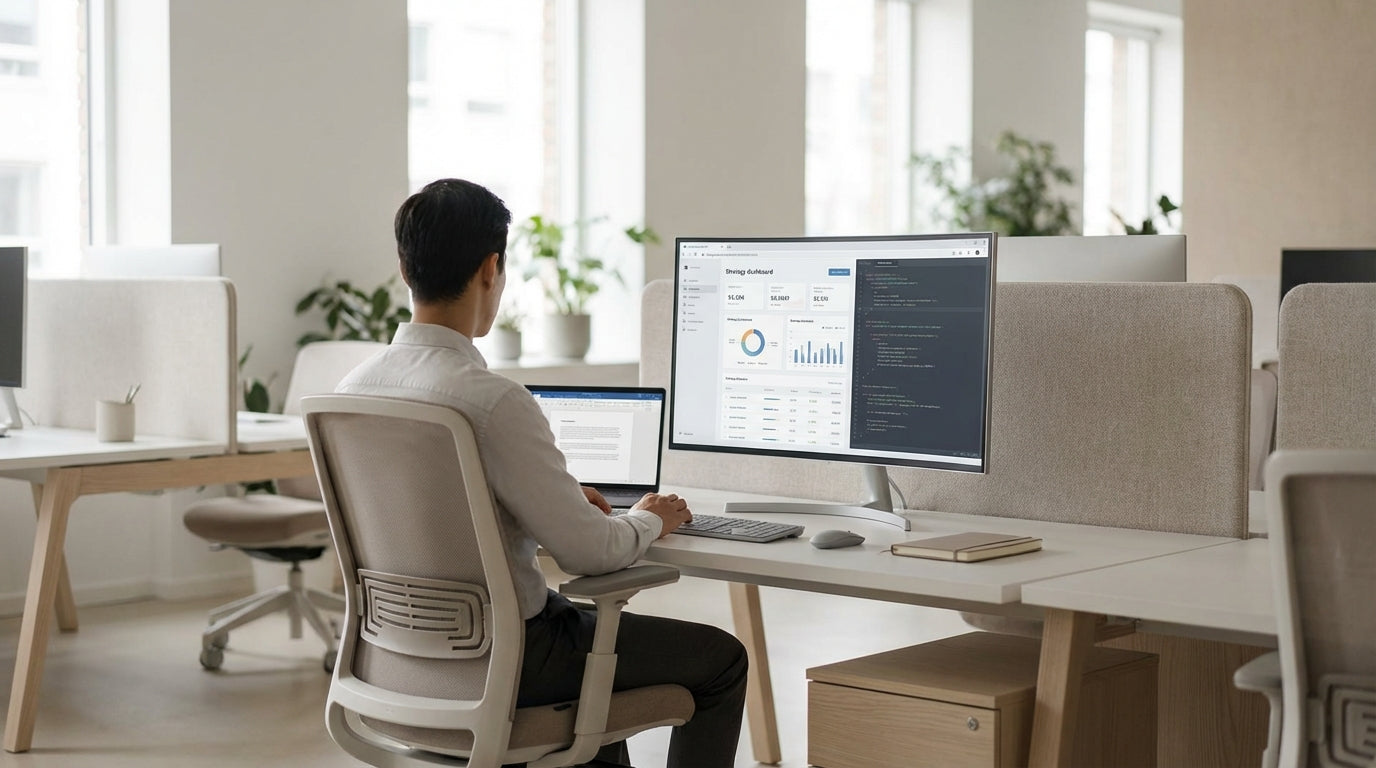
Comfort is no longer a perk; it is a retention strategy. Adjustable armrests, lumbar support and breathable materials are high on procurement checklists, driving demand for high‑quality Mesh Office Chairs. Paired with sit‑stand workstations, these chairs give staff options to move, stretch and stay supported, which in turn boosts focus in fast‑paced, collaborative environments.
Quiet Zones, Focus Spaces and Privacy on Demand
As offices stay open‑plan, Australian companies are investing heavily in quiet areas. Staff need places to make calls, concentrate deeply and decompress away from noisy teams.
Self‑contained Office Pods are emerging as one of the most effective tools for managing noise and privacy. These compact rooms slot into existing floors without major construction, offering lighting, power and ventilation in a turnkey package. Managers can add single‑person focus pods, two‑person collaboration booths or larger meeting pods, then relocate them later as teams grow or restructure.
For offices with serious acoustic challenges, specialised Acoustic Pods provide an extra layer of sound control. Built with sound‑absorbing panels, seals and acoustic glass, these units are ideal for confidential discussions, HR meetings or high‑concentration work like coding and design. Because they are classed as furniture rather than building works, they help businesses adapt quickly to lease changes or headcount shifts.
Not every team needs a full pod, though. Many are improving focus with a mix of soft furnishings and subtle barriers, using Desk Mounted Partitions to frame semi‑private work zones. Combined with fabric pinboards, planters and sound‑absorbing wall panels, these low‑rise screens cut down visual distractions while preserving the benefits of an open, collaborative feel.
Flexible Zoning with Smart Screens and Mobile Pieces
In 2026, Australian offices are expected to work harder in the same footprint. Flexible zoning lets one area support focus work, collaboration and training throughout the day.
Movable screening is central to this shift. Businesses are replacing fixed plasterboard walls with agile Mobile Partitions that can be wheeled out for workshops, training or pop‑up project zones. These screens often double as whiteboards or pinboards, adding function while guiding traffic flow around the office. When not in use, they tuck neatly away to reopen the space for events or all‑hands meetings.
At the desk level, Desk Mounted Partitions remain popular for creating boundaries without closing people in. They define personal space, guide cable management and provide a backdrop for monitors and documents. By choosing neutral fabrics and frameless designs, organisations retain a clean, contemporary aesthetic while giving staff a sense of ownership over their workstation.
Tables are also becoming more dynamic. Training rooms, project spaces and breakout zones are increasingly fitted with Mobile Tables on lockable castors, allowing teams to pivot between classroom layouts, grouped clusters or U‑shapes in minutes. In boardrooms and collaboration spaces, fixed Meeting Tables are being paired with movable side tables, giving participants extra surfaces for laptops, prototypes and refreshments without overcrowding the central table.
Collaboration, Breakout Spaces and Social Hubs
Australian offices are doubling down on spaces that encourage teamwork and informal conversation. These zones support creativity, onboarding and culture in ways traditional boardrooms cannot.
Soft, casual seating is at the heart of this trend. Purpose‑built Breakout Seating ranges now include modular lounges, ottomans and high‑back booths that can be reshaped as teams evolve. High‑back styles provide semi‑private nooks for quick huddles, while open lounges create relaxed areas for social catch‑ups and informal stand‑ups. By mixing colours and fabrics, organisations can signal different zones for quiet reflection versus active collaboration.
Formal meeting rooms are not disappearing, but they are being reimagined. Many businesses are refining their Meeting Tables to support hybrid participation, with integrated power, cable management and space for multiple displays. Round and oval tables are especially popular in project rooms, encouraging more inclusive conversation than traditional long boards. For shorter catch‑ups, a cluster of smaller tables in a breakout area can serve the same function without tying up a full boardroom.
These communal spaces are also doubling as alternative workpoints. Staff might start the day at a Height Adjustable Workstation, move to a lounge setting for brainstorming, and then finish a report in a quiet booth. This variety helps reduce “desk fatigue” and supports different working styles across generations, from graduates to senior leaders.
Blending Home Comfort with Professional Standards
With hybrid work firmly embedded, Australian employees expect their office to feel as comfortable and personal as their home setups. At the same time, employers must keep spaces durable, safe and easy to maintain.
Many organisations are refreshing workpoints with domestic‑inspired finishes while keeping commercial quality. Timber accents, soft fabrics and residential‑style lighting are being paired with robust Mesh Office Chairs and height‑adjustable desks. This combination delivers a warm, welcoming environment that still meets ergonomic and compliance standards. It also helps office days feel less like a chore and more like a balanced part of the week.
On the home side, businesses are moving beyond makeshift dining‑table setups by supporting staff with purpose‑built Home Office Desks. Compact designs with integrated cable management, storage and monitor support make it easier to maintain posture and productivity in small apartments or shared houses. Some organisations are even matching finishes between home and office, so staff can transition between environments with minimal disruption.
Finally, the line between focus, collaboration and relaxation is softening. Staff may jump from a home video call to a meeting in an Office Pod, then work quietly in a high‑back breakout booth. The most successful workplaces in 2026 will be those that offer this kind of seamless experience, using modular furniture, smart zoning and a mix of dedicated and shared spaces to support every task in the modern workday.


